THE ADVENTURE COLLECTIVE® · Independent discovery and booking for outdoor travel

Seven days traveling from Casablanca to Marrakech visits Rabat, Fes, the Middle Atlas and Ouzoud Falls. Expect a mix of coastal views, mountain cedar forests and dense medina streets with guided transfers, riad stays and local meals included.
Seven days traveling from Casablanca to Marrakech visits Rabat, Fes, the Middle Atlas and Ouzoud Falls. Expect a mix of coastal views, mountain cedar forests and dense medina streets with guided transfers, riad stays and local meals included.
Arriving at Mohamed V airport, the Atlantic wind carries salt and a promise of cities that changed North Africa’s map. The tour moves like a well-charted caravan: Casablanca’s seaside mosque gives way to Rabat’s Hassan Tower, Fes’s maze of alleys, cedar-lined passes through the Middle Atlas, the plunging terraces above Ouzoud Falls and finally Marrakech’s ochre walls and buzzing Jamaa el-Fna.
Verified experiences and guided adventures in the surrounding area.
Operated by Happy Moroccan Tours · Casablanca, Casablanca-Settat
Arriving at Mohamed V airport, the Atlantic wind carries salt and a promise of cities that changed North Africa’s map. The tour moves like a well-charted caravan: Casablanca’s seaside mosque gives way to Rabat’s Hassan Tower, Fes’s maze of alleys, cedar-lined passes through the Middle Atlas, the plunging terraces above Ouzoud Falls and finally Marrakech’s ochre walls and buzzing Jamaa el-Fna.
This route threads four imperial cities whose history stretches from Roman Mauretania Tingitana at Chellah to the medieval institutions of Fes and the Alaouite palaces of Marrakech. Geology shifts visibly—from coastal limestone and Atlantic plains into cedar and oak forests on the Middle Atlas, then to the red soils of the Haouz plain. Cultural rhythms are obvious: prayer calls marking time, souk bargaining, and meals centered on tagine and shared hospitality.
Practical guidance: expect daily drives between 2–5 hours; most walking is on uneven stone in medinas and steps at viewpoints. Carry a daypack with water, wear closed walking shoes and layers for morning chill in the mountains. Plan mornings for monument visits before markets get crowded, and leave free time in Marrakech and Fes to explore riad courtyards and artisan workshops.
Accessibility notes: transportation and many sites are vehicle-accessible but historic medina streets are narrow and uneven. Respect local customs—dress modestly at religious sites, ask before photographing people, and conserve water in hotels. With straightforward logistics and a local English- or Spanish-speaking driver-guide, this circuit is a compact, practical immersion into Morocco’s layered past and landscape.
easy.
7 days.
Suitable for travelers in average physical condition; involves walking on uneven city streets and short hikes at waterfalls and viewpoints.
Yes—arrival transfer from Mohamed V airport to your Casablanca hotel is included; final day transfer to airport or Casablanca hotel is provided.
Transportation and many modern sites are wheelchair accessible, but medina streets and some viewpoints are narrow or stepped and may be difficult for wheelchair users.
Driver-guides are available in English or Spanish per the listing; local guides in cities may speak French or Arabic as well.
The trip includes 5 breakfasts and 6 dinners plus accommodations in 4-star hotels or riads as listed; lunches are typically at local restaurants and may be pay-as-you-go depending on the day’s plan.
The route links sites from Roman-era Mauretania through medieval Islamic scholarship in Fes to the ruling palaces of the Alaouite dynasty.
Water is scarce in parts of Morocco—prioritize short showers and reusing towels; support local artisans rather than buying mass-produced souvenirs.
Happy Moroccan Tours operates guided outdoor trips and adventures with an emphasis on safety, stewardship, and memorable experiences.
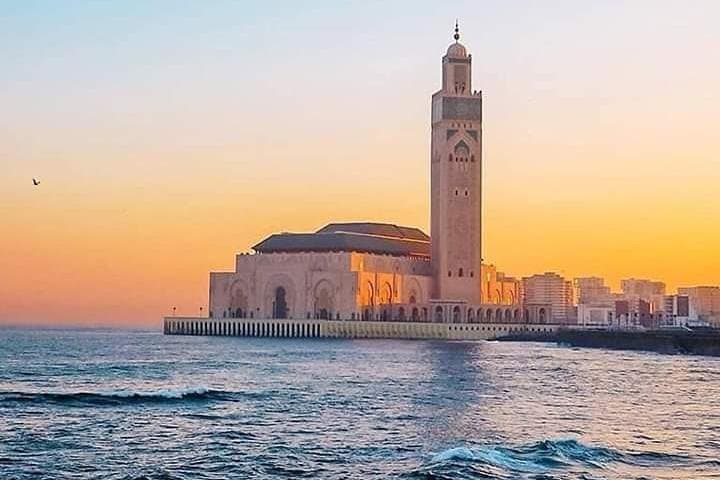
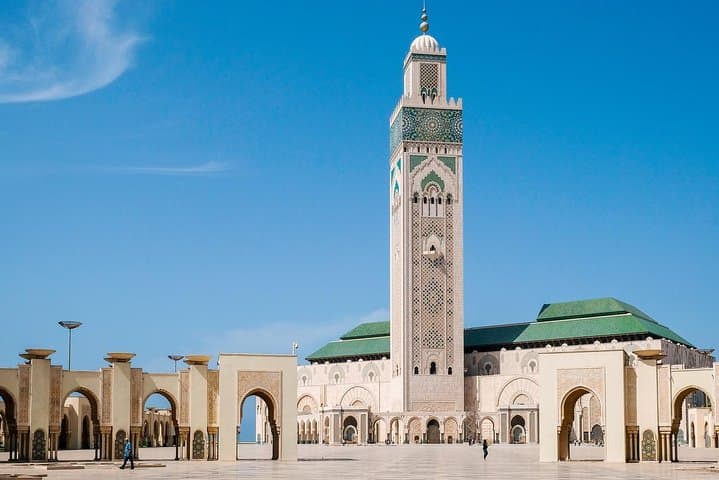
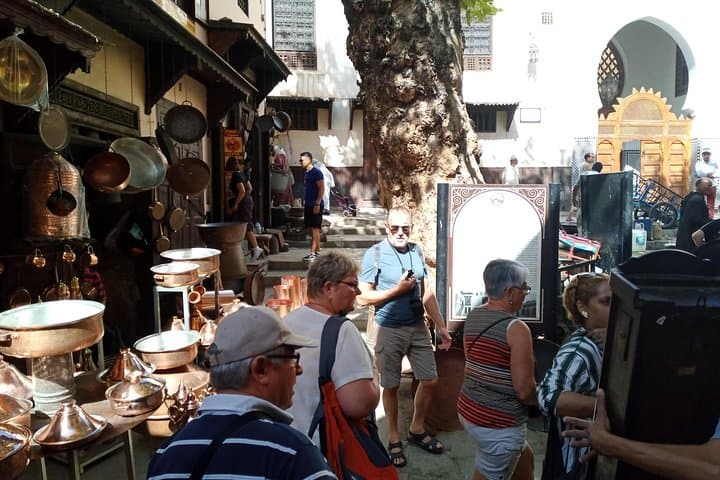
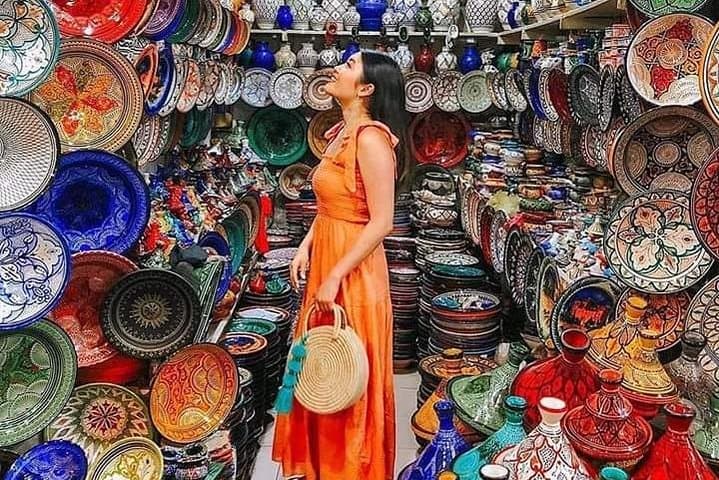
Arriving at Mohamed V airport, the Atlantic wind carries salt and a promise of cities that changed North Africa’s map. The tour moves like a well-charted caravan: Casablanca’s seaside mosque gives way to Rabat’s Hassan Tower, Fes’s maze of alleys, cedar-lined passes through the Middle Atlas, the plunging terraces above Ouzoud Falls and finally Marrakech’s ochre walls and buzzing Jamaa el-Fna.
Arriving at Mohamed V airport, the Atlantic wind carries salt and a promise of cities that changed North Africa’s map. The tour moves like a well-charted caravan: Casablanca’s seaside mosque gives way to Rabat’s Hassan Tower, Fes’s maze of alleys, cedar-lined passes through the Middle Atlas, the plunging terraces above Ouzoud Falls and finally Marrakech’s ochre walls and buzzing Jamaa el-Fna.
This route threads four imperial cities whose history stretches from Roman Mauretania Tingitana at Chellah to the medieval institutions of Fes and the Alaouite palaces of Marrakech. Geology shifts visibly—from coastal limestone and Atlantic plains into cedar and oak forests on the Middle Atlas, then to the red soils of the Haouz plain. Cultural rhythms are obvious: prayer calls marking time, souk bargaining, and meals centered on tagine and shared hospitality.
Practical guidance: expect daily drives between 2–5 hours; most walking is on uneven stone in medinas and steps at viewpoints. Carry a daypack with water, wear closed walking shoes and layers for morning chill in the mountains. Plan mornings for monument visits before markets get crowded, and leave free time in Marrakech and Fes to explore riad courtyards and artisan workshops.
Accessibility notes: transportation and many sites are vehicle-accessible but historic medina streets are narrow and uneven. Respect local customs—dress modestly at religious sites, ask before photographing people, and conserve water in hotels. With straightforward logistics and a local English- or Spanish-speaking driver-guide, this circuit is a compact, practical immersion into Morocco’s layered past and landscape.