THE ADVENTURE COLLECTIVE® · Independent discovery and booking for outdoor travel

Bake classic Moroccan biscuits with a local Marrakchi instructor in a small, hands-on kitchen class. Learn family recipes, sip royal tea, and leave with techniques you can recreate at home.
Bake classic Moroccan biscuits with a local Marrakchi instructor in a small, hands-on kitchen class. Learn family recipes, sip royal tea, and leave with techniques you can recreate at home.
You step through a low riad doorway into a warm kitchen where flour dust motes hang in the light and a chai pot hums on the stove. The instructor—Joy—greets the group, opens a tin of family flour, and invites everyone to roll, press, and shape the dough used for traditional Moroccan biscuits.
Verified experiences and guided adventures in the surrounding area.
Operated by Cook Berber with Joy · Marrakech, Marrakesh-Safi
You step through a low riad doorway into a warm kitchen where flour dust motes hang in the light and a chai pot hums on the stove. The instructor—Joy—greets the group, opens a tin of family flour, and invites everyone to roll, press, and shape the dough used for traditional Moroccan biscuits.
The class sits at the intersection of Marrakech’s layered history: Amazigh (Berber) pastry techniques folded with Andalusian and French pastry influences, producing sweet and savory biscuits that trace the city’s past in every bite. The experience is firmly urban—held inside a local kitchen near the medina—yet connects to regional ingredients: orange blossom water, sesame, and toasted almonds that came down trade routes centuries ago.
Culturally, the workshop doubles as a conversation about Marrakchi life—how families host, how tea structures hospitality, and how recipes are passed mother-to-child. Expect a small-group, hands-on format (up to six), where you make at least one batch, taste them with royal Moroccan tea, and leave with techniques you can replicate at home.
Practical notes: the session lasts three hours; wear closed-toe shoes and clothing you don’t mind dusting with flour. The host accommodates dietary requests—notify ahead. Bring a phone or camera for steps you’ll want to recreate, and cash for a quick spice run afterward in the souk. Arrival in the medina is best on foot; plan 10–20 minutes extra for navigating narrow alleys. With a mix of culinary craft and local context, the class is ideal for travelers who want skill-building and cultural insight in one compact, flavorful experience.
easy.
3 hours.
Light—suitable for most people; requires standing and light kitchen work for the duration.
Yes—hosts ask you to notify dietary requirements in advance so ingredients or recipes can be adjusted where possible.
Classes are typically conducted in English; the host may also speak French and Arabic in parts of the session.
Small-group format—up to six participants—so there’s hands-on time for each guest.
For a full refund cancel at least 24 hours before the scheduled start; bookings may close if minimum participation isn’t met.
Moroccan biscuits blend Amazigh (Berber) techniques with influences from Andalusian and French pastry traditions; many recipes circulate within families and are tied to local tea culture.
Support local artisans and minimize food waste by taking only what you’ll use; the host sources many ingredients locally to support neighborhood vendors.
Cook Berber with Joy operates guided outdoor trips and adventures with an emphasis on safety, stewardship, and memorable experiences.
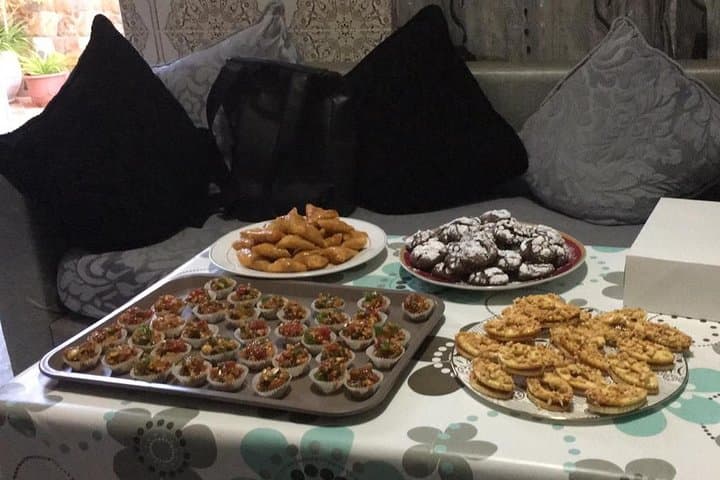
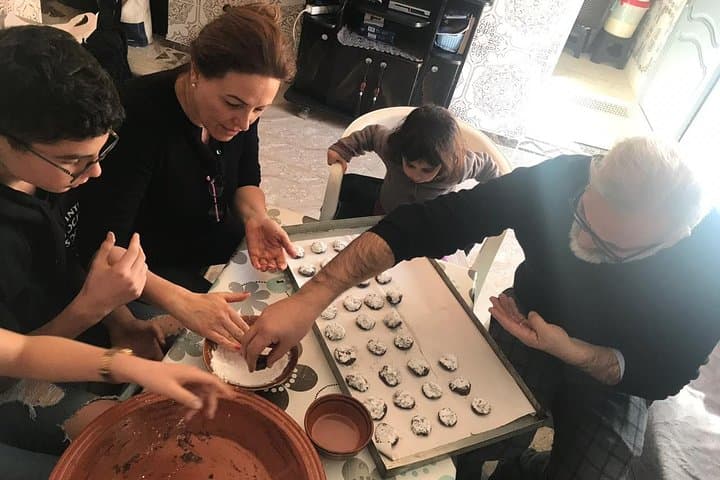
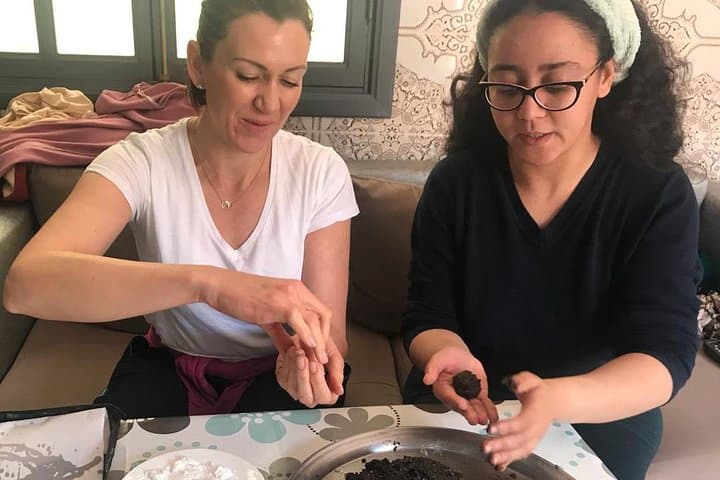
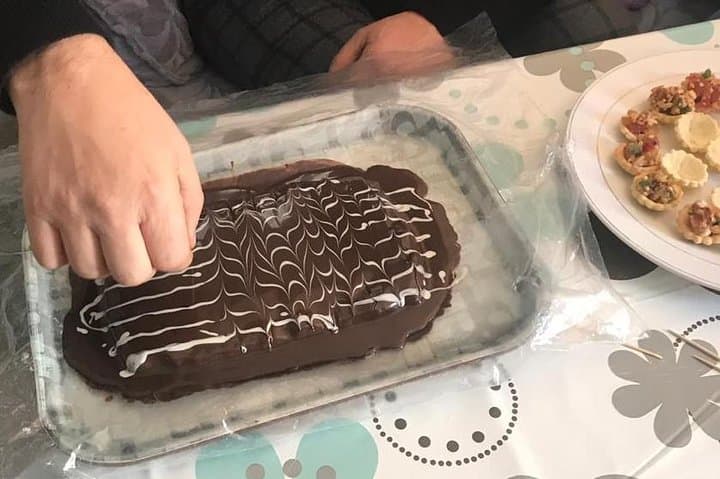
You step through a low riad doorway into a warm kitchen where flour dust motes hang in the light and a chai pot hums on the stove. The instructor—Joy—greets the group, opens a tin of family flour, and invites everyone to roll, press, and shape the dough used for traditional Moroccan biscuits.
You step through a low riad doorway into a warm kitchen where flour dust motes hang in the light and a chai pot hums on the stove. The instructor—Joy—greets the group, opens a tin of family flour, and invites everyone to roll, press, and shape the dough used for traditional Moroccan biscuits.
The class sits at the intersection of Marrakech’s layered history: Amazigh (Berber) pastry techniques folded with Andalusian and French pastry influences, producing sweet and savory biscuits that trace the city’s past in every bite. The experience is firmly urban—held inside a local kitchen near the medina—yet connects to regional ingredients: orange blossom water, sesame, and toasted almonds that came down trade routes centuries ago.
Culturally, the workshop doubles as a conversation about Marrakchi life—how families host, how tea structures hospitality, and how recipes are passed mother-to-child. Expect a small-group, hands-on format (up to six), where you make at least one batch, taste them with royal Moroccan tea, and leave with techniques you can replicate at home.
Practical notes: the session lasts three hours; wear closed-toe shoes and clothing you don’t mind dusting with flour. The host accommodates dietary requests—notify ahead. Bring a phone or camera for steps you’ll want to recreate, and cash for a quick spice run afterward in the souk. Arrival in the medina is best on foot; plan 10–20 minutes extra for navigating narrow alleys. With a mix of culinary craft and local context, the class is ideal for travelers who want skill-building and cultural insight in one compact, flavorful experience.