THE ADVENTURE COLLECTIVE® · Independent discovery and booking for outdoor travel

Start your day with a 60-minute, all-levels yoga class inside the Cabildo’s second-floor gallery overlooking Jackson Square. Practice amid historic architecture, with some mats provided and easy access from the French Quarter.
Start your day with a 60-minute, all-levels yoga class inside the Cabildo’s second-floor gallery overlooking Jackson Square. Practice amid historic architecture, with some mats provided and easy access from the French Quarter.
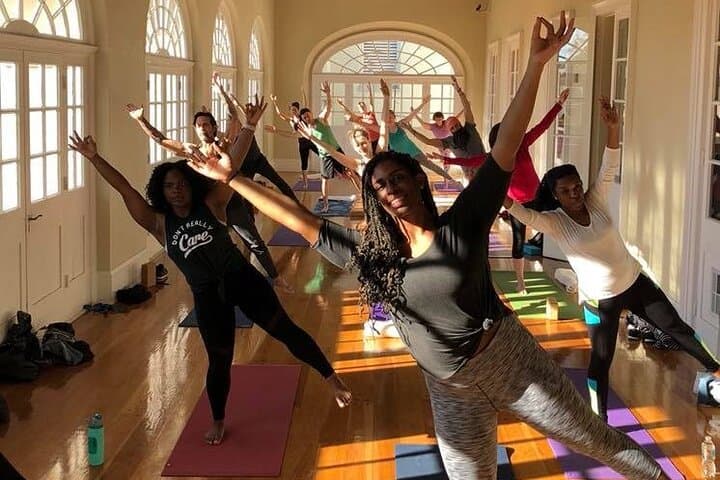
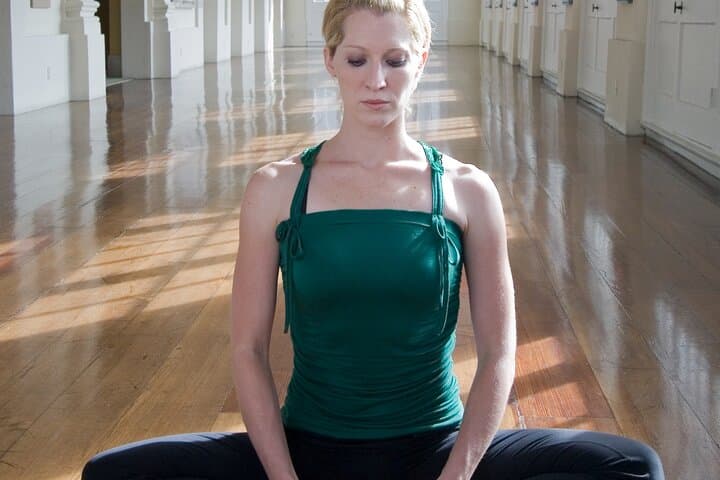
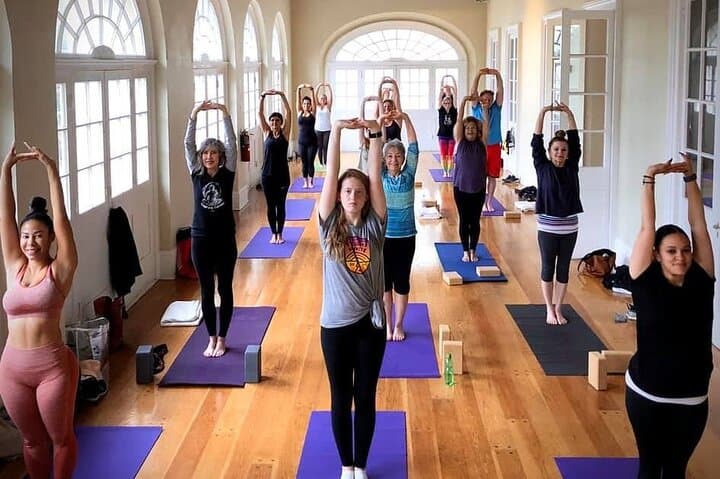
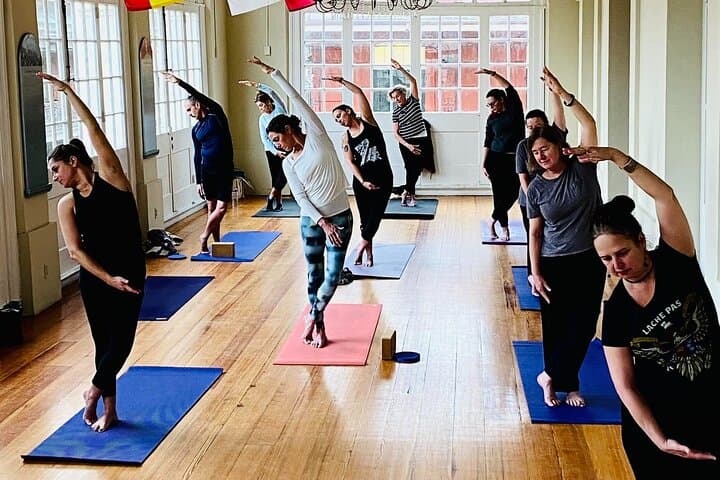
Sheets of morning light cut across the second-floor gallery of the Cabildo as the instructor moves through a slow sun salutations sequence.
Verified experiences and guided adventures in the surrounding area.
Operated by Friends of the Cabildo · New Orleans, Louisiana
Sheets of morning light cut across the second-floor gallery of the Cabildo as the instructor moves through a slow sun salutations sequence.
Participants spread mats on the museum’s wood floor, and through tall windows Jackson Square opens like a stage — street musicians tuning up, the Mississippi’s edge not far beyond, the city already warming. The room holds the hushed weight of centuries: the Cabildo, built under Spanish rule and the site of the 1803 Louisiana Purchase transfer, is a living piece of New Orleans history that watches this contemporary ritual.
The ground beneath the museum is riverine — sediment and levee work shaped the French Quarter’s flat profile — and the light here feels directly tied to the Mississippi’s pull. Culture is present in small things: Creole voices drifting from nearby cafés, the cadence of a brass band around the corner, and the city’s tolerance for early-morning practice amid daily life.
Practically, expect a 60-minute, all-levels flow beginning at 8:30 a.m.; the class is held inside the second-floor gallery and is wheelchair accessible. Some mats are available free, but many bring their own for hygiene and grip. Arrive 10–15 minutes early to check in with the museum attendant and show your ticket to the instructor.
Dress in breathable layers for an airy indoor space, carry water, and plan transit into the French Quarter — streetcars and short walks are easiest. Be mindful of the historic setting: avoid loud gear, follow museum guidance, and leave the space as you found it so future classes can share this rare intersection of exercise and heritage.
easy.
1 hour.
Suitable for beginners through experienced practitioners; basic mobility and balance recommended
Some mats are available free to use, but bringing your own is recommended for hygiene and consistent grip.
Yes — the session is described as suitable for all fitness levels, with instructors offering modifications.
Enter through the Cabildo front door on the left side and let museum staff know you are here for Yoga at the Cabildo; arrive 10–15 minutes early to check in.
Yes — the Cabildo and the second-floor gallery are listed as wheelchair accessible; contact organizers ahead if you have special requirements.
The Cabildo dates to the late 18th century and was where officials signed documents transferring Louisiana to the United States in 1803, making the building steeped in colonial and civic history.
Classes operate within an active museum, so visitors should follow signage and staff direction to protect historic floors and artifacts; use reusable containers and minimize waste in the French Quarter.
Friends of the Cabildo operates guided outdoor trips and adventures with an emphasis on safety, stewardship, and memorable experiences.
Sheets of morning light cut across the second-floor gallery of the Cabildo as the instructor moves through a slow sun salutations sequence.
Sheets of morning light cut across the second-floor gallery of the Cabildo as the instructor moves through a slow sun salutations sequence.
Participants spread mats on the museum’s wood floor, and through tall windows Jackson Square opens like a stage — street musicians tuning up, the Mississippi’s edge not far beyond, the city already warming. The room holds the hushed weight of centuries: the Cabildo, built under Spanish rule and the site of the 1803 Louisiana Purchase transfer, is a living piece of New Orleans history that watches this contemporary ritual.
The ground beneath the museum is riverine — sediment and levee work shaped the French Quarter’s flat profile — and the light here feels directly tied to the Mississippi’s pull. Culture is present in small things: Creole voices drifting from nearby cafés, the cadence of a brass band around the corner, and the city’s tolerance for early-morning practice amid daily life.
Practically, expect a 60-minute, all-levels flow beginning at 8:30 a.m.; the class is held inside the second-floor gallery and is wheelchair accessible. Some mats are available free, but many bring their own for hygiene and grip. Arrive 10–15 minutes early to check in with the museum attendant and show your ticket to the instructor.
Dress in breathable layers for an airy indoor space, carry water, and plan transit into the French Quarter — streetcars and short walks are easiest. Be mindful of the historic setting: avoid loud gear, follow museum guidance, and leave the space as you found it so future classes can share this rare intersection of exercise and heritage.