THE ADVENTURE COLLECTIVE® · Independent discovery and booking for outdoor travel

Board from Kihei for a 90-minute morning cruise that pairs close humpback viewing with hydrophone listening and onboard natural history. Expect calm south-shore waters, informed narration, and federal-distance protocols that prioritize whale safety.
Board from Kihei for a 90-minute morning cruise that pairs close humpback viewing with hydrophone listening and onboard natural history. Expect calm south-shore waters, informed narration, and federal-distance protocols that prioritize whale safety.
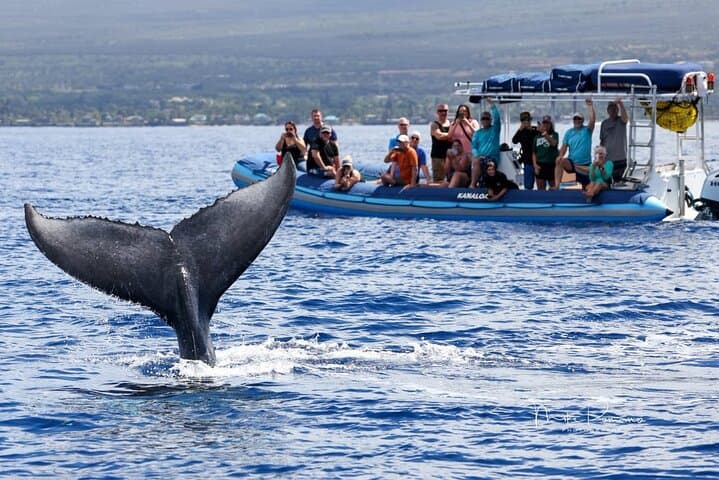
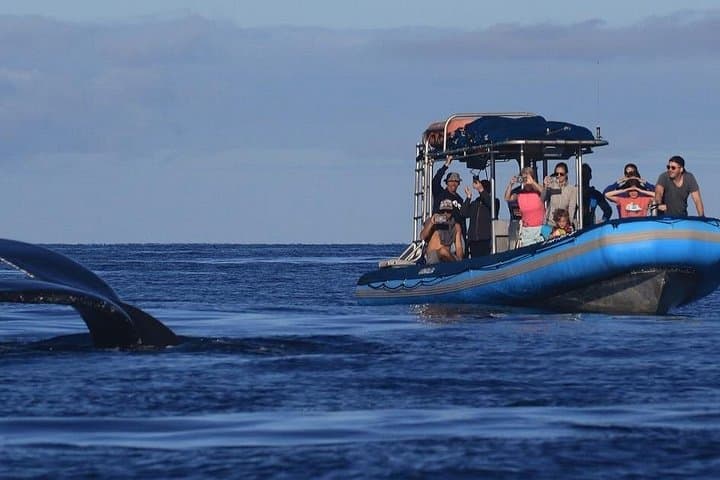
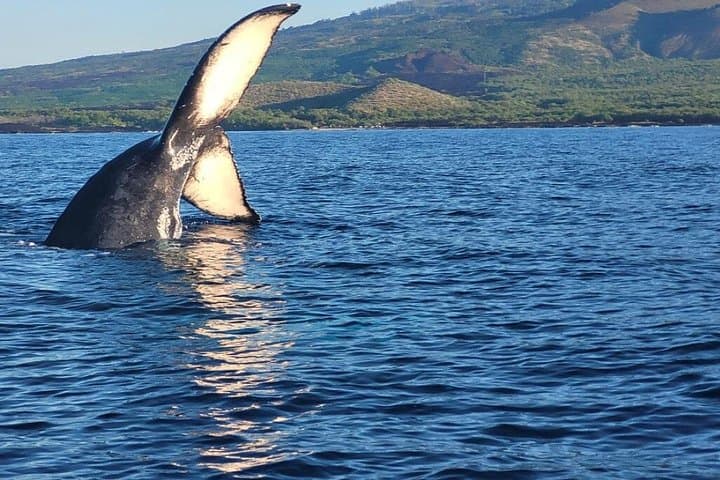
The boat eases off the Kihei harbor and the ocean opens like a blue road ahead; the hull hums, gulls wheel, and the captain scans the glassy south shore where humpbacks move with the steady purpose of seasonal migrants. A hydrophone drops over the rail and the first low, whale-song pulses through the speaker — sound that seems to come from below and behind the horizon all at once.
Verified experiences and guided adventures in the surrounding area.
Operated by Blue Water Rafting · Kihei, Hawaii
The boat eases off the Kihei harbor and the ocean opens like a blue road ahead; the hull hums, gulls wheel, and the captain scans the glassy south shore where humpbacks move with the steady purpose of seasonal migrants. A hydrophone drops over the rail and the first low, whale-song pulses through the speaker — sound that seems to come from below and behind the horizon all at once.
This stretch of Maui has hosted wintering humpback whales for generations. The whales arrive from Alaska to breed and calve in Hawaii’s warm, shallow waters; federal protections and decades of local research shape how commercial watches operate here. Geologically, the south shore is a gentle shelf of volcanic basalt and reef that calms waves and concentrates marine life, which is why pods are commonly observed in the morning when conditions are calmer.
Onboard you’ll get a mix of narration, natural history, and live hydrophone listening. Tours often allow slight flexibility in timing to maintain safe, legal viewing distances; operators explain regulations and answer questions about behavior, anatomy, and migratory patterns.
Practical guidance: check in 15–30 minutes early at the Kihei boat ramp picnic tables, wear sun protection and a light wind layer, and bring binoculars and motion-sickness medication if you’re prone to seasickness. The excursion is wheelchair-accessible but not recommended for pregnant travelers or those with serious back or heart conditions. Morning departures offer the smoothest water and the best odds of hearing whales sing through the hydrophone — an intimate, educational way to meet one of the ocean’s largest travelers without disturbing them.
easy.
1.5 hours.
Suitable for most fitness levels; requires basic mobility to board a commercial vessel and stand on deck for viewing.
Morning departures generally offer calmer seas and higher chances of close sightings and clearer hydrophone audio for hearing whale song.
Yes — the operator notes wheelchair accessibility for boarding and transportation, but check ahead for any specific accessibility needs to ensure accommodations are available.
Children are allowed but operators may restrict children under 4 unless pre-approved; confirm with the operator before booking.
Trips may be canceled for unsafe conditions; this operator’s policy is all sales final, but they will cancel if weather or insufficient travelers make the tour unsafe.
Humpback whales migrate to Hawaiian waters each winter to breed and calve; Maui’s south shore has been a focus of whale research and observation for decades.
Operations adhere to federal approach-distance rules and the Marine Mammal Protection Act; maintain distance, avoid throwing anything into the water, and follow crew guidance to minimize disturbance.
Blue Water Rafting operates guided outdoor trips and adventures with an emphasis on safety, stewardship, and memorable experiences.
The boat eases off the Kihei harbor and the ocean opens like a blue road ahead; the hull hums, gulls wheel, and the captain scans the glassy south shore where humpbacks move with the steady purpose of seasonal migrants. A hydrophone drops over the rail and the first low, whale-song pulses through the speaker — sound that seems to come from below and behind the horizon all at once.
The boat eases off the Kihei harbor and the ocean opens like a blue road ahead; the hull hums, gulls wheel, and the captain scans the glassy south shore where humpbacks move with the steady purpose of seasonal migrants. A hydrophone drops over the rail and the first low, whale-song pulses through the speaker — sound that seems to come from below and behind the horizon all at once.
This stretch of Maui has hosted wintering humpback whales for generations. The whales arrive from Alaska to breed and calve in Hawaii’s warm, shallow waters; federal protections and decades of local research shape how commercial watches operate here. Geologically, the south shore is a gentle shelf of volcanic basalt and reef that calms waves and concentrates marine life, which is why pods are commonly observed in the morning when conditions are calmer.
Onboard you’ll get a mix of narration, natural history, and live hydrophone listening. Tours often allow slight flexibility in timing to maintain safe, legal viewing distances; operators explain regulations and answer questions about behavior, anatomy, and migratory patterns.
Practical guidance: check in 15–30 minutes early at the Kihei boat ramp picnic tables, wear sun protection and a light wind layer, and bring binoculars and motion-sickness medication if you’re prone to seasickness. The excursion is wheelchair-accessible but not recommended for pregnant travelers or those with serious back or heart conditions. Morning departures offer the smoothest water and the best odds of hearing whales sing through the hydrophone — an intimate, educational way to meet one of the ocean’s largest travelers without disturbing them.