THE ADVENTURE COLLECTIVE® · Independent discovery and booking for outdoor travel

Walk among tombs, trees and early-morning practitioners on a guided two-hour tour of Lodhi Gardens. Learn Lodhi- and Sayyid-era history while enjoying flat, accessible paths and quiet city greenspace.
Walk among tombs, trees and early-morning practitioners on a guided two-hour tour of Lodhi Gardens. Learn Lodhi- and Sayyid-era history while enjoying flat, accessible paths and quiet city greenspace.
The morning light slices between old stone domes as walkers thread through manicured lawns; banyan trees throw long shade and joggers share the path with local yoga practitioners. Lodhi Gardens feels like a soft-edged history lesson — monuments rise from grass as if reluctant to interrupt the park's steady rhythm.
Verified experiences and guided adventures in the surrounding area.
Operated by SITA World Tours · New Delhi, Delhi
The morning light slices between old stone domes as walkers thread through manicured lawns; banyan trees throw long shade and joggers share the path with local yoga practitioners. Lodhi Gardens feels like a soft-edged history lesson — monuments rise from grass as if reluctant to interrupt the park's steady rhythm.
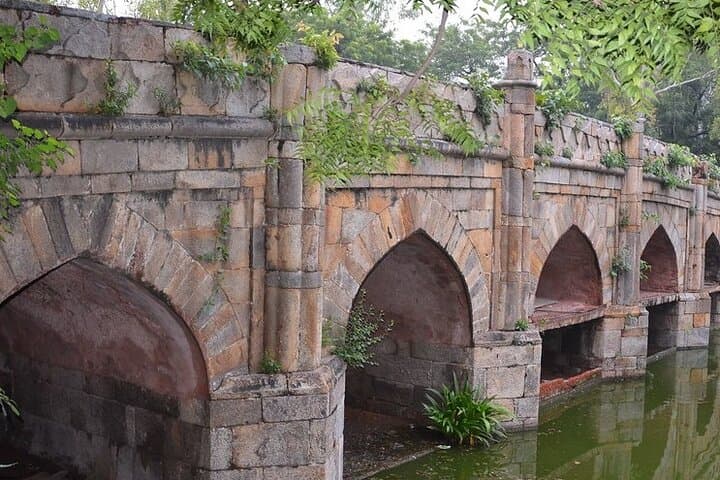
Built across 90 acres on what was once royal hunting ground, the gardens collect 15th–16th century Sayyid and Lodhi era tombs, Athpula bridge remnants and the Bada Gumbad. Geologically the site sits on Delhi's flat alluvial plain; trees and lawns were added during the British-ruled redesign that turned scattered ruins into landscaped open space. Culturally it's both a public commons and a quiet place of civic routines — morning classes, tai chi and weekend photographers.
On a two-hour guided walk expect short, easy trails on paved and compacted paths, modest elevation, and frequent stops at historical structures. The guide will point out Sikandar Lodhi’s tomb, the eight-arched Athpula bridge and Bada Gumbad while threading in Mughal-era context and later colonial landscaping notes.
Practical edge: visit at first light to avoid crowds and Delhi heat, wear supportive walking shoes and bring a refillable water bottle; the tour includes bottled water and light snacks. Partially wheelchair accessible but involves stepped monuments. Allow time for photos and quiet moments under the trees — Lodhi Gardens rewards slow movement and attention to detail.
easy.
2 hours.
Suitable for most people who can walk 2–3 miles on flat terrain and stand for short periods; moderate fitness helpful for comfortable pacing
The park is public and free to enter; this tour provides a guided walk and transport from selected hotels as listed in the inclusion details.
The gardens are partly wheelchair accessible on paved paths, but some monuments and viewing areas have steps; contact the operator about pickup and specific access needs.
Early morning is best for cooler temperatures, fewer crowds and to see locals practicing yoga or martial arts.
Yes — children under 15 must be accompanied by an adult; the pace is family-friendly but watch for traffic at garden entrances.
Lodhi Gardens clusters tombs from the Sayyid and Lodhi dynasties; British-era landscaping in the 20th century transformed scattered monuments into the public park seen today.
The park is managed as urban greenspace; visitors are asked to avoid littering and to stay off fragile lawns and monuments to protect historic stonework and plantings.
SITA World Tours operates guided outdoor trips and adventures with an emphasis on safety, stewardship, and memorable experiences.
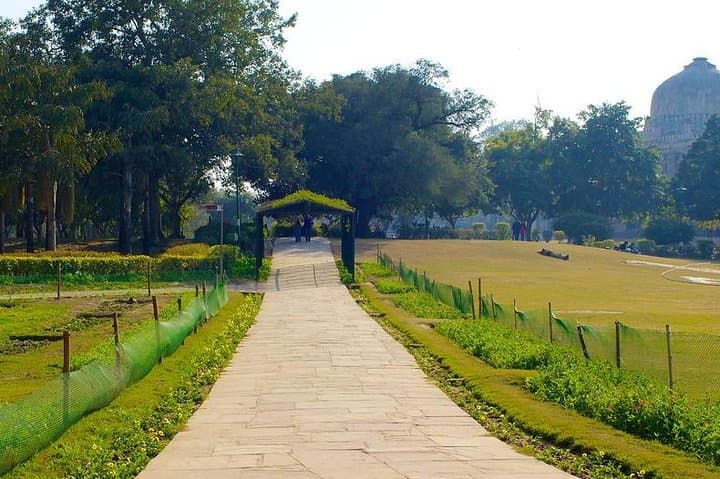


The morning light slices between old stone domes as walkers thread through manicured lawns; banyan trees throw long shade and joggers share the path with local yoga practitioners. Lodhi Gardens feels like a soft-edged history lesson — monuments rise from grass as if reluctant to interrupt the park's steady rhythm.
The morning light slices between old stone domes as walkers thread through manicured lawns; banyan trees throw long shade and joggers share the path with local yoga practitioners. Lodhi Gardens feels like a soft-edged history lesson — monuments rise from grass as if reluctant to interrupt the park's steady rhythm.
Built across 90 acres on what was once royal hunting ground, the gardens collect 15th–16th century Sayyid and Lodhi era tombs, Athpula bridge remnants and the Bada Gumbad. Geologically the site sits on Delhi's flat alluvial plain; trees and lawns were added during the British-ruled redesign that turned scattered ruins into landscaped open space. Culturally it's both a public commons and a quiet place of civic routines — morning classes, tai chi and weekend photographers.
On a two-hour guided walk expect short, easy trails on paved and compacted paths, modest elevation, and frequent stops at historical structures. The guide will point out Sikandar Lodhi’s tomb, the eight-arched Athpula bridge and Bada Gumbad while threading in Mughal-era context and later colonial landscaping notes.
Practical edge: visit at first light to avoid crowds and Delhi heat, wear supportive walking shoes and bring a refillable water bottle; the tour includes bottled water and light snacks. Partially wheelchair accessible but involves stepped monuments. Allow time for photos and quiet moments under the trees — Lodhi Gardens rewards slow movement and attention to detail.