THE ADVENTURE COLLECTIVE® · Independent discovery and booking for outdoor travel

Explore Pachacamac’s adobe temples and museum on a convenient half-day tour from Lima. This guided visit traces over 1,800 years of coastal ritual history and includes hotel pickup, entrance fees and a local guide.
Explore Pachacamac’s adobe temples and museum on a convenient half-day tour from Lima. This guided visit traces over 1,800 years of coastal ritual history and includes hotel pickup, entrance fees and a local guide.
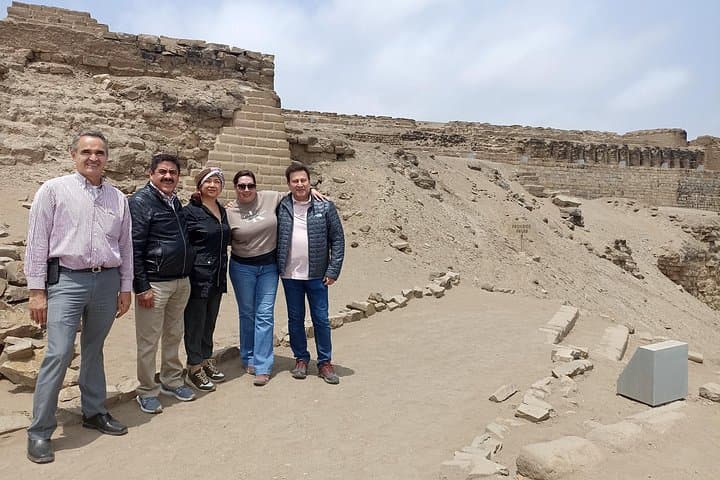
You step out of the van and dust from the coastal plain lifts like a brief curtain — the desert wind nudges the adobe pyramids and the plaza ahead presses its history into the air. Pachacamac sits on the arid Central Coast, where pre-Columbian pilgrims once walked from distant valleys to consult an oracle that claimed power over earth and sea.
Verified experiences and guided adventures in the surrounding area.
Operated by 7Routes of Peru · Lima, Lima Province
You step out of the van and dust from the coastal plain lifts like a brief curtain — the desert wind nudges the adobe pyramids and the plaza ahead presses its history into the air. Pachacamac sits on the arid Central Coast, where pre-Columbian pilgrims once walked from distant valleys to consult an oracle that claimed power over earth and sea.
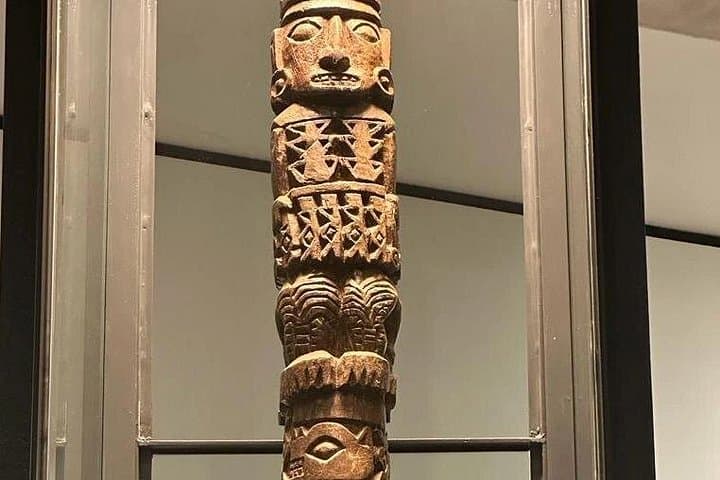
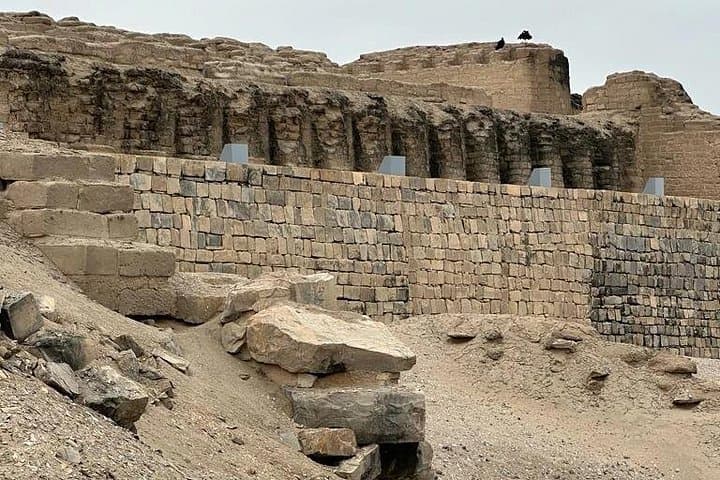
Built over more than a millennium, Pachacamac’s adobe platforms and rammed-earth walls record successive cultures: the Lima, Wari, and later Inca influences layered in temples, plazas, and burial mounds. The site museum groups ceramics, woven textiles and the carved idol linked to long-distance pilgrimage, offering material clues to ritual life and coastal trade. Geologically, the sanctuary occupies a sandy, uplifted coastline shaped by marine terraces and infrequent seismic shifts — the terrain is flat but uneven, with loose gravel on the paths.
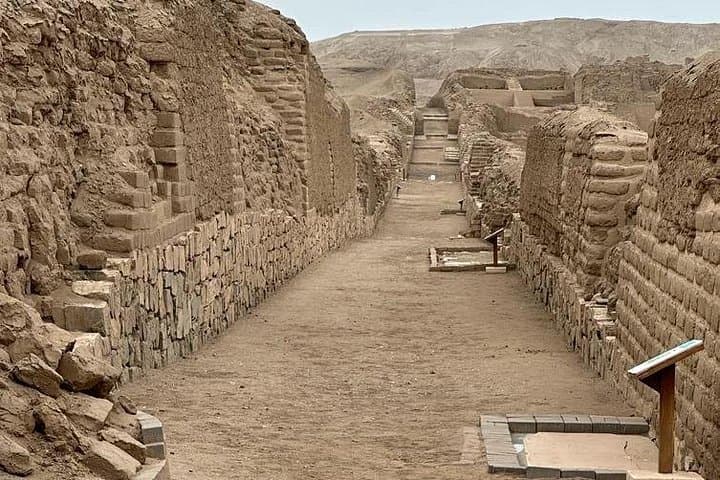
Culturally it’s a place of movement — routes to the oracle attracted travelers who sought divination before planting or travel. Today the site still feels directional: plazas that faced the sea, ramped causeways that oriented processions toward shrines. Wild scrub and low cacti outline the route, and seabirds wheel on thermals above the ruins.
Practical guidance: the shared tour runs about four hours including hotel pickup in Lima, admission and a guide. Wear sturdy walking shoes, sun protection, and bring at least 1 liter of water; shade is limited. Expect light walking on uneven surfaces and some low stairs at temple platforms. Mornings are coolest and best for photography; coastal fog can roll in June–August, softening colors but dropping temperatures. The operator includes transport and fees, so show your voucher at pickup and confirm any language needs when you book.
easy.
4 hours.
Light walking on mostly flat but uneven surfaces; suitable for travelers in general good health
Yes — the tour description lists admission included for the main archaeological zone and the site museum.
Yes — the operator picks up from hotels or Airbnbs within Lima as part of the service; confirm your exact pickup point when booking.
The terrain includes uneven ground and low steps; while the overall walk is light, some areas are not wheelchair accessible — query the operator about specific accessibility needs before booking.
A local guide is included; languages vary by operator and schedule — request language preferences at booking to confirm availability.
Pachacamac was a major pilgrimage center on Peru’s central coast for over a thousand years, serving as an oracle and ritual hub for cultures including the Lima, Wari and Inca.
Erosion and visitor pressure threaten fragile adobe structures — stay on designated paths and avoid touching walls; local programs focus on stabilizing earthen monuments and conserving artifacts.
7Routes of Peru operates guided outdoor trips and adventures with an emphasis on safety, stewardship, and memorable experiences.
You step out of the van and dust from the coastal plain lifts like a brief curtain — the desert wind nudges the adobe pyramids and the plaza ahead presses its history into the air. Pachacamac sits on the arid Central Coast, where pre-Columbian pilgrims once walked from distant valleys to consult an oracle that claimed power over earth and sea.
You step out of the van and dust from the coastal plain lifts like a brief curtain — the desert wind nudges the adobe pyramids and the plaza ahead presses its history into the air. Pachacamac sits on the arid Central Coast, where pre-Columbian pilgrims once walked from distant valleys to consult an oracle that claimed power over earth and sea.
Built over more than a millennium, Pachacamac’s adobe platforms and rammed-earth walls record successive cultures: the Lima, Wari, and later Inca influences layered in temples, plazas, and burial mounds. The site museum groups ceramics, woven textiles and the carved idol linked to long-distance pilgrimage, offering material clues to ritual life and coastal trade. Geologically, the sanctuary occupies a sandy, uplifted coastline shaped by marine terraces and infrequent seismic shifts — the terrain is flat but uneven, with loose gravel on the paths.
Culturally it’s a place of movement — routes to the oracle attracted travelers who sought divination before planting or travel. Today the site still feels directional: plazas that faced the sea, ramped causeways that oriented processions toward shrines. Wild scrub and low cacti outline the route, and seabirds wheel on thermals above the ruins.
Practical guidance: the shared tour runs about four hours including hotel pickup in Lima, admission and a guide. Wear sturdy walking shoes, sun protection, and bring at least 1 liter of water; shade is limited. Expect light walking on uneven surfaces and some low stairs at temple platforms. Mornings are coolest and best for photography; coastal fog can roll in June–August, softening colors but dropping temperatures. The operator includes transport and fees, so show your voucher at pickup and confirm any language needs when you book.