THE ADVENTURE COLLECTIVE® · Independent discovery and booking for outdoor travel

Start before sunrise and follow prayer flags into a living Tibetan community outside Pokhara. This half-day tour pairs monastery visits and a family breakfast with intimate cultural context provided by a local Tibetan guide.
Start before sunrise and follow prayer flags into a living Tibetan community outside Pokhara. This half-day tour pairs monastery visits and a family breakfast with intimate cultural context provided by a local Tibetan guide.
A cool pre-dawn breeze from nearby Phewa Lake brushes the face as the van threads quiet roads toward the Tibetan settlements on Pokhara’s outskirts. By 06:00 the sun is carving light into prayer flags and the monastery’s white walls; chanting filters down narrow lanes and the day begins with a deliberate calm.
Verified experiences and guided adventures in the surrounding area.
Operated by The Tibetan Encounter Day Tours P. Ltd · Pokhara, Gandaki Province
A cool pre-dawn breeze from nearby Phewa Lake brushes the face as the van threads quiet roads toward the Tibetan settlements on Pokhara’s outskirts. By 06:00 the sun is carving light into prayer flags and the monastery’s white walls; chanting filters down narrow lanes and the day begins with a deliberate calm.
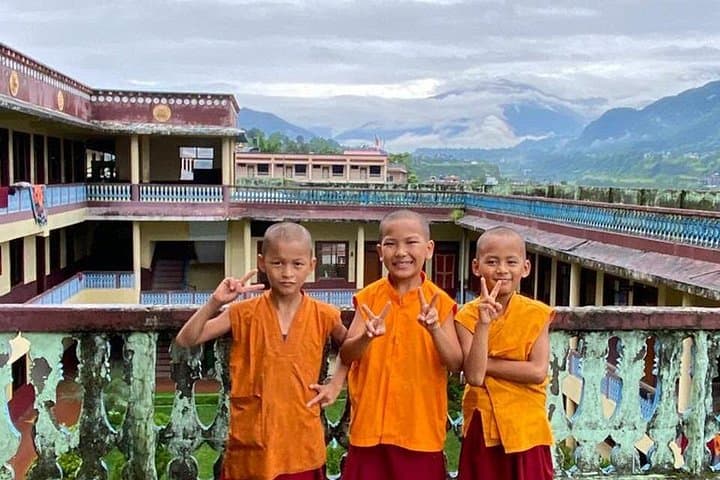
The settlements around Pokhara grew after waves of Tibetan refugees arrived in Nepal in the mid-20th century. The landscape here is young Himalayan foothills — laterite and alluvial terraces cut by seasonal streams — and the villages sit where arable plots meet pine and sal forest. Culture is the focus: you'll move through family homes, listen to monastic chants driven by horns and drums, and see crafts that trace Tibetan design and Buddhist iconography.
Practical guidance is straightforward. Tours depart very early (commonly 05:30) and return mid-morning, covering short walks on paved and dirt paths and visits to two monasteries and a host family for breakfast. Respect monastery etiquette: remove shoes, speak softly, and follow any photo restrictions. Wear modest clothing that covers shoulders and knees; layers are useful for cool mornings. Breakfast and bottled water are included, and the guide will share personal stories about migration, community schooling, and local craft production.
This half-day is low-intensity but high in cultural exchange — ideal for travelers who want direct conversation with residents, disciplined quiet time in monastic spaces, and a practical window into Tibetan life in Nepal.
easy.
3–4 hours.
Suitable for most travelers; involves short walks on flat to gently sloped village paths and steps into monasteries.
Typical departure is 05:30 with return around 09:00–09:30; exact pickup time will be confirmed when you book.
A traditional Tibetan breakfast plus tea/coffee and bottled water are included in the tour price.
Yes; infants must sit on an adult’s lap. The itinerary is low-impact but includes early start times.
Photography is generally allowed but discretionary—follow the guide’s direction and avoid shooting during private rituals.
Tibetan refugee settlements around Pokhara were established after 1950s–60s migration; communities preserved language, crafts, and Buddhist practice while integrating into Nepal’s social fabric.
Settlements depend on limited local resources; visitors are encouraged to buy local crafts and minimize plastic waste to support sustainable livelihoods.
The Tibetan Encounter Day Tours P. Ltd operates guided outdoor trips and adventures with an emphasis on safety, stewardship, and memorable experiences.
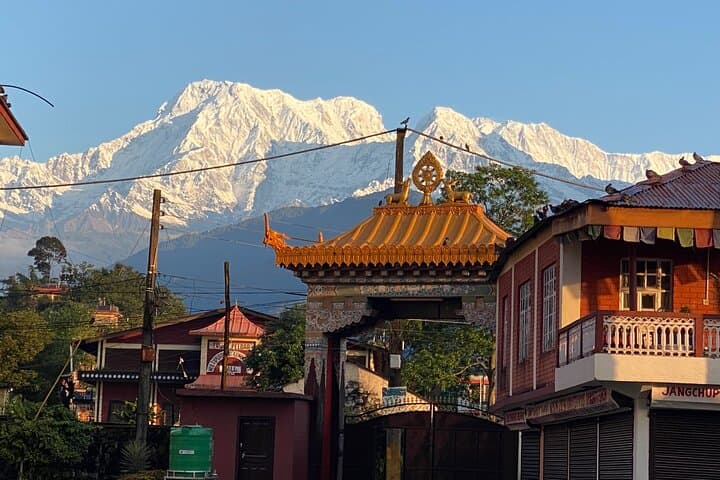
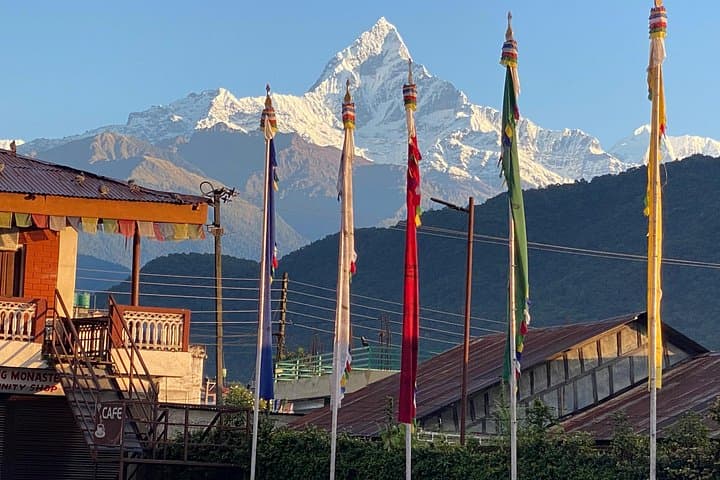
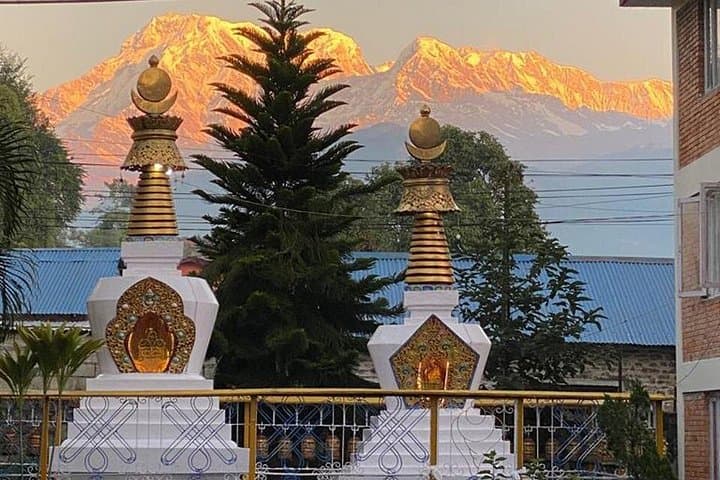
A cool pre-dawn breeze from nearby Phewa Lake brushes the face as the van threads quiet roads toward the Tibetan settlements on Pokhara’s outskirts. By 06:00 the sun is carving light into prayer flags and the monastery’s white walls; chanting filters down narrow lanes and the day begins with a deliberate calm.
A cool pre-dawn breeze from nearby Phewa Lake brushes the face as the van threads quiet roads toward the Tibetan settlements on Pokhara’s outskirts. By 06:00 the sun is carving light into prayer flags and the monastery’s white walls; chanting filters down narrow lanes and the day begins with a deliberate calm.
The settlements around Pokhara grew after waves of Tibetan refugees arrived in Nepal in the mid-20th century. The landscape here is young Himalayan foothills — laterite and alluvial terraces cut by seasonal streams — and the villages sit where arable plots meet pine and sal forest. Culture is the focus: you'll move through family homes, listen to monastic chants driven by horns and drums, and see crafts that trace Tibetan design and Buddhist iconography.
Practical guidance is straightforward. Tours depart very early (commonly 05:30) and return mid-morning, covering short walks on paved and dirt paths and visits to two monasteries and a host family for breakfast. Respect monastery etiquette: remove shoes, speak softly, and follow any photo restrictions. Wear modest clothing that covers shoulders and knees; layers are useful for cool mornings. Breakfast and bottled water are included, and the guide will share personal stories about migration, community schooling, and local craft production.
This half-day is low-intensity but high in cultural exchange — ideal for travelers who want direct conversation with residents, disciplined quiet time in monastic spaces, and a practical window into Tibetan life in Nepal.