THE ADVENTURE COLLECTIVE® · Independent discovery and booking for outdoor travel

Enter Stonehenge before the crowds on a guided morning tour from London, then explore Salisbury Cathedral and the town. This special-access visit combines prehistoric monument access with a cultural stop in Salisbury.
Enter Stonehenge before the crowds on a guided morning tour from London, then explore Salisbury Cathedral and the town. This special-access visit combines prehistoric monument access with a cultural stop in Salisbury.
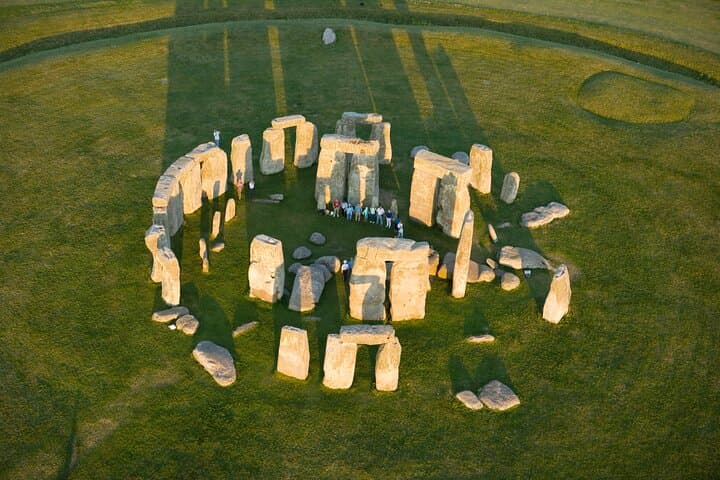
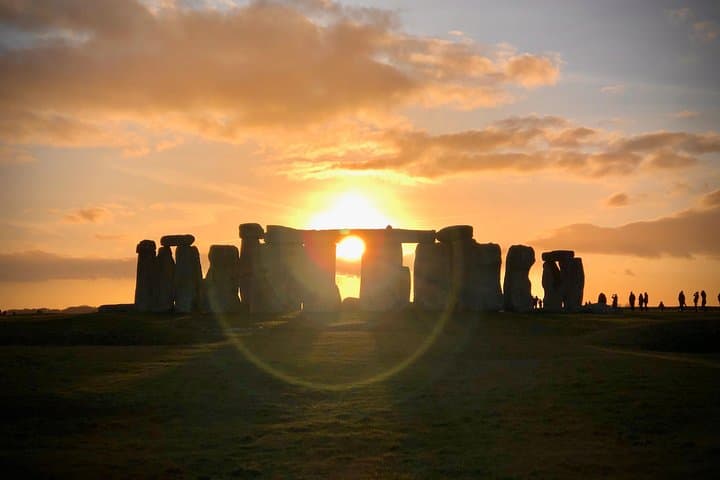
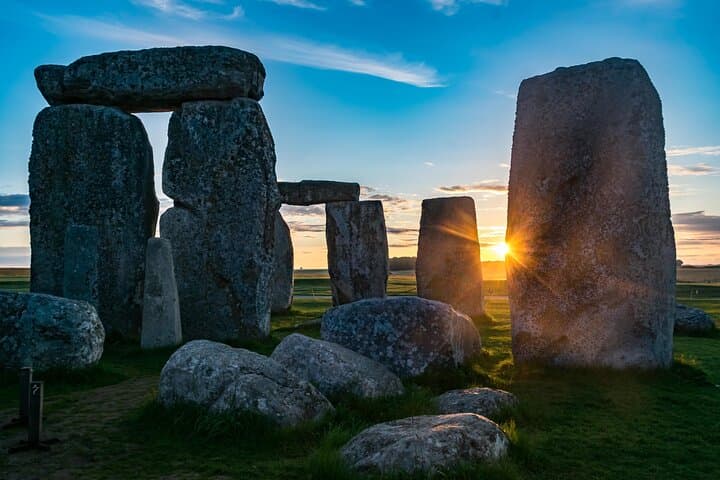
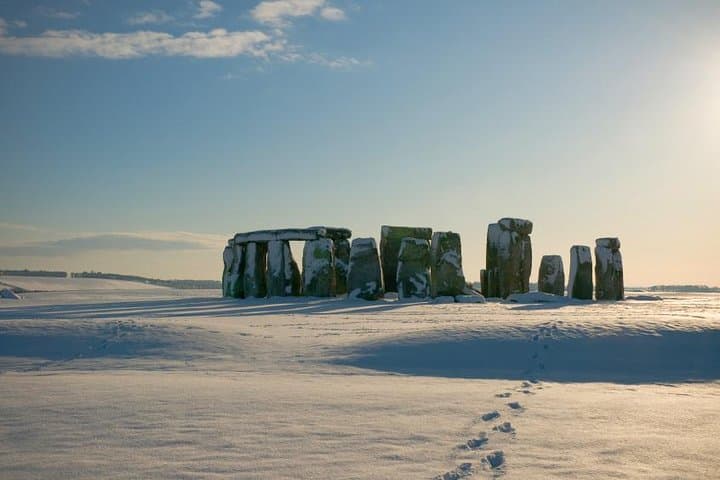
A low, mist-slick plain opens before you as the tour coach releases its hush of passengers onto the chalk grassland; the stones are already there, upright against a pale dawn. On this special-access morning tour you step inside the circle before the gates open to the public — the rough faces of sarsen and bluestone close enough to see mineral veins and tool marks, the silence broken only by your guide’s measured explanations.
Verified experiences and guided adventures in the surrounding area.
Operated by Anderson Tours · Amesbury, Wiltshire
A low, mist-slick plain opens before you as the tour coach releases its hush of passengers onto the chalk grassland; the stones are already there, upright against a pale dawn. On this special-access morning tour you step inside the circle before the gates open to the public — the rough faces of sarsen and bluestone close enough to see mineral veins and tool marks, the silence broken only by your guide’s measured explanations.
Stonehenge dates to the late Neolithic and early Bronze Age (c. 3000–2000 BCE), its massive sarsens and distant bluestones a reminder of prehistoric engineering and ritual landscape planning. The surrounding Avon valley and nearby Old Sarum hillfort trace later chapters: Roman roads, medieval cathedral builders and market towns that shaped the Salisbury plain’s human story.
The geology is simple and immediate — hard sarsen sandstone set on chalk downland — and the cultural contrast sharp: after Stonehenge the tour continues to Salisbury, where a 13th-century cathedral and its cloistered spaces shift the mood from prehistoric monument to Gothic verticality. Your guide links stones to spires, offering local anecdotes and practical context.
Practical note: expect a mostly flat, exposed walk on grass and compacted paths; wind and early-morning chill are common, so layers and a windproof are wise. The full itinerary runs roughly 9–10 hours from London, with coach transfers and time in Salisbury for the cathedral and market. Respect site rules during special access, carry water, and allow extra time for photos — this is one of the rare moments when the circle invites you in.
easy.
9–10 hours.
Suitable for most fitness levels; involves short walks on uneven ground and boarding a coach.
No — while special access brings you inside the circle, conservation rules and guide instructions generally prohibit touching the stones to protect them.
The tour departs from a designated London meeting point and includes round-trip coach transport and entrance to Stonehenge and Salisbury Cathedral.
The tour is rated easy and suitable for most ages, but the site has uneven ground; contact the operator ahead for specific mobility assistance or needs.
This operator lists bookings as final sale with possible cancellation if minimum numbers aren’t met; check the voucher for terms and any alternative offered if canceled.
Stonehenge was constructed in stages during the late Neolithic and early Bronze Age (c. 3000–2000 BCE); Salisbury Cathedral was begun in the early 13th century and houses one of the best-preserved Magna Carta copies.
Stonehenge is a protected World Heritage site with managed visitor access to limit wear; stay on designated routes, follow guide instructions and avoid disturbing wildlife on the downs.
Anderson Tours operates guided outdoor trips and adventures with an emphasis on safety, stewardship, and memorable experiences.
A low, mist-slick plain opens before you as the tour coach releases its hush of passengers onto the chalk grassland; the stones are already there, upright against a pale dawn. On this special-access morning tour you step inside the circle before the gates open to the public — the rough faces of sarsen and bluestone close enough to see mineral veins and tool marks, the silence broken only by your guide’s measured explanations.
A low, mist-slick plain opens before you as the tour coach releases its hush of passengers onto the chalk grassland; the stones are already there, upright against a pale dawn. On this special-access morning tour you step inside the circle before the gates open to the public — the rough faces of sarsen and bluestone close enough to see mineral veins and tool marks, the silence broken only by your guide’s measured explanations.
Stonehenge dates to the late Neolithic and early Bronze Age (c. 3000–2000 BCE), its massive sarsens and distant bluestones a reminder of prehistoric engineering and ritual landscape planning. The surrounding Avon valley and nearby Old Sarum hillfort trace later chapters: Roman roads, medieval cathedral builders and market towns that shaped the Salisbury plain’s human story.
The geology is simple and immediate — hard sarsen sandstone set on chalk downland — and the cultural contrast sharp: after Stonehenge the tour continues to Salisbury, where a 13th-century cathedral and its cloistered spaces shift the mood from prehistoric monument to Gothic verticality. Your guide links stones to spires, offering local anecdotes and practical context.
Practical note: expect a mostly flat, exposed walk on grass and compacted paths; wind and early-morning chill are common, so layers and a windproof are wise. The full itinerary runs roughly 9–10 hours from London, with coach transfers and time in Salisbury for the cathedral and market. Respect site rules during special access, carry water, and allow extra time for photos — this is one of the rare moments when the circle invites you in.