THE ADVENTURE COLLECTIVE® · Independent discovery and booking for outdoor travel

Watch flamingos paint the main lagoon pink and scan brackish shallows for migratory shorebirds on a private morning jeep safari. This UNESCO biosphere tour focuses on bird concentrations and the park's wetland ecology with minimal walking and maximum viewing time.
Watch flamingos paint the main lagoon pink and scan brackish shallows for migratory shorebirds on a private morning jeep safari. This UNESCO biosphere tour focuses on bird concentrations and the park's wetland ecology with minimal walking and maximum viewing time.
Dawn pulls a cool edge across the salt flats of Bundala National Park and the first ranks of flamingos lift off like a single pale ribbon, circling low over the brackish lagoon. Your private jeep threads a patchwork of scrub and sandy tracks, the guide easing the vehicle to let waterbirds feed undisturbed while the morning light sharpens the edges of mangroves and tamarisk.
Verified experiences and guided adventures in the surrounding area.
Operated by Yala La Safari Tours · Tissamaharama, Southern Province
Dawn pulls a cool edge across the salt flats of Bundala National Park and the first ranks of flamingos lift off like a single pale ribbon, circling low over the brackish lagoon. Your private jeep threads a patchwork of scrub and sandy tracks, the guide easing the vehicle to let waterbirds feed undisturbed while the morning light sharpens the edges of mangroves and tamarisk.
Designated a UNESCO biosphere reserve in 2005 and recognized as a RAMSAR wetland, Bundala is defined by five shallow lagoons where sea and freshwater mix. The plain sits at near sea level; terrain is flat—salt pans, reed beds, and thorn scrub dominate rather than steep trails. Local hamlets and seasonal salt works speak to a human history tied to the coast and migratory birds that use these wetlands like stopover hotels.
Expect long views rather than dense jungle: flamingos and waders congregate on exposed mudflats, elephants sometimes move through the peripheral tanks such as Kokara at dusk, and monitors and marsh birds thread the reed margins. Wildlife here is weather-tuned—mornings are for birds, evenings for larger mammals.
Practical guidance: this is a 7–8 hour outing with vehicle-based observation, minimal walking, and strong sun exposure. Bring a good pair of binoculars, sun protection, and a camera with a telephoto lens. Respect park rules—keep distance from elephants and don’t feed animals. Water and a light breakfast are usually included, but carry extra fluids and comfortable closed shoes for short walks. A private morning safari is the clearest way to see flamingo flocks, wetlands, and shorebird concentrations while avoiding the midday heat.
easy.
7–8 hours.
Light fitness required; most time is spent seated in a jeep with short, easy walks possible at lookout points.
Most morning safaris leave at first light—typically between 5:30 and 6:30 AM—to catch peak bird activity and cooler temperatures.
Sightings of greater flamingos are common in the main Bundala lagoon, especially in high-migration months, but exact numbers vary with season and water levels.
Yes; the tour is vehicle-based with minimal walking, but infants must sit on a lap and travelers with cardiovascular issues should consult their doctor first.
Guides maintain a safe distance; you should never leave the vehicle near elephants and must follow the guide’s instructions to avoid escalating conflict.
Bundala was designated a UNESCO biosphere reserve in 2005 and is protected as a RAMSAR wetland due to its importance for migratory waterbirds.
The park balances wildlife protection with local livelihoods; visitors should stick to designated routes to avoid disturbing nesting birds and worsening human–elephant conflict.
Yala La Safari Tours operates guided outdoor trips and adventures with an emphasis on safety, stewardship, and memorable experiences.
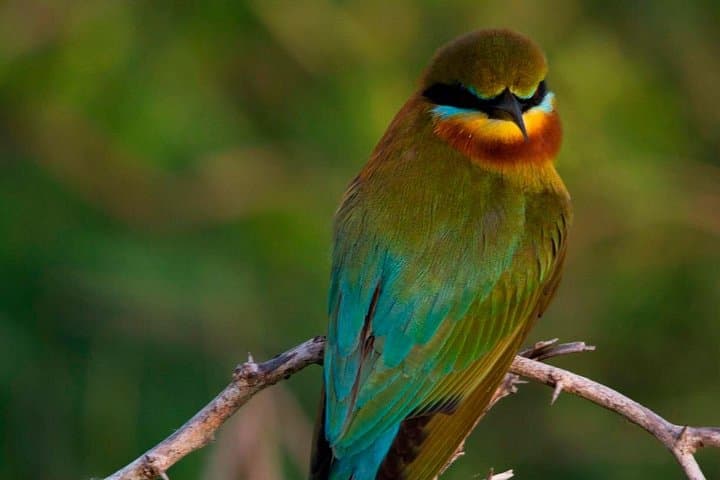
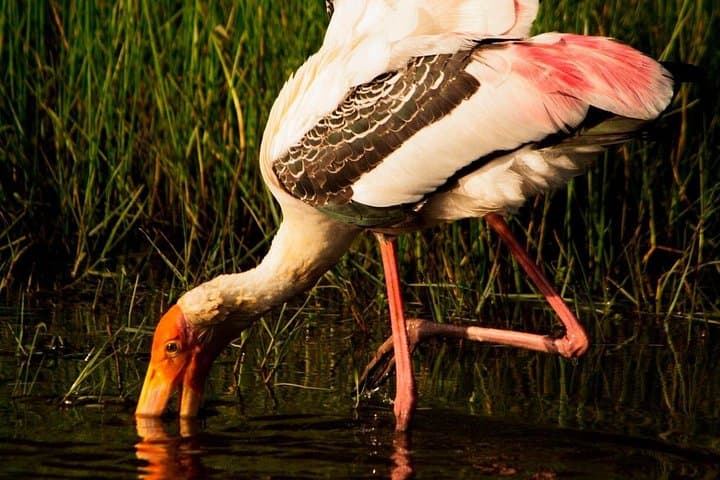
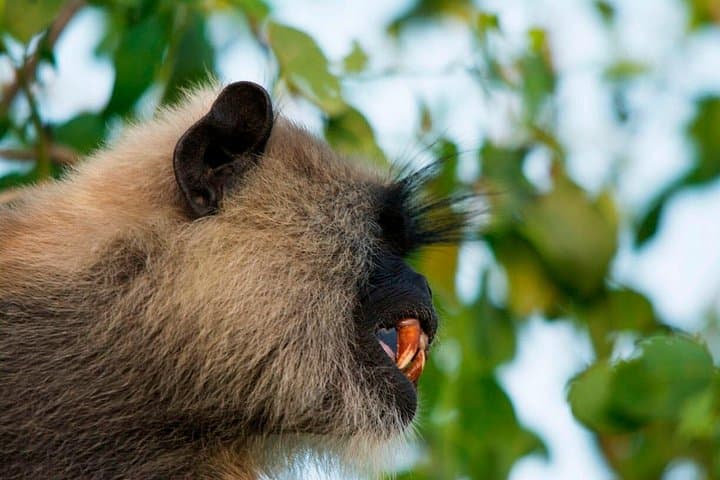
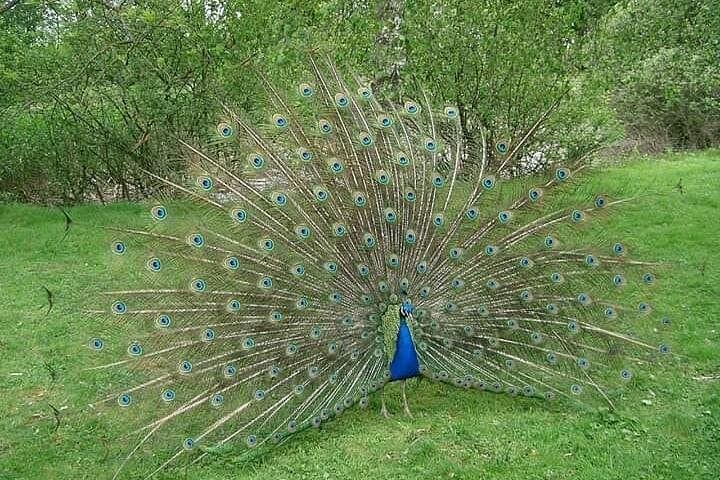
Dawn pulls a cool edge across the salt flats of Bundala National Park and the first ranks of flamingos lift off like a single pale ribbon, circling low over the brackish lagoon. Your private jeep threads a patchwork of scrub and sandy tracks, the guide easing the vehicle to let waterbirds feed undisturbed while the morning light sharpens the edges of mangroves and tamarisk.
Dawn pulls a cool edge across the salt flats of Bundala National Park and the first ranks of flamingos lift off like a single pale ribbon, circling low over the brackish lagoon. Your private jeep threads a patchwork of scrub and sandy tracks, the guide easing the vehicle to let waterbirds feed undisturbed while the morning light sharpens the edges of mangroves and tamarisk.
Designated a UNESCO biosphere reserve in 2005 and recognized as a RAMSAR wetland, Bundala is defined by five shallow lagoons where sea and freshwater mix. The plain sits at near sea level; terrain is flat—salt pans, reed beds, and thorn scrub dominate rather than steep trails. Local hamlets and seasonal salt works speak to a human history tied to the coast and migratory birds that use these wetlands like stopover hotels.
Expect long views rather than dense jungle: flamingos and waders congregate on exposed mudflats, elephants sometimes move through the peripheral tanks such as Kokara at dusk, and monitors and marsh birds thread the reed margins. Wildlife here is weather-tuned—mornings are for birds, evenings for larger mammals.
Practical guidance: this is a 7–8 hour outing with vehicle-based observation, minimal walking, and strong sun exposure. Bring a good pair of binoculars, sun protection, and a camera with a telephoto lens. Respect park rules—keep distance from elephants and don’t feed animals. Water and a light breakfast are usually included, but carry extra fluids and comfortable closed shoes for short walks. A private morning safari is the clearest way to see flamingo flocks, wetlands, and shorebird concentrations while avoiding the midday heat.