THE ADVENTURE COLLECTIVE® · Independent discovery and booking for outdoor travel

Walk the morning gardens of Humayun’s Tomb with a historian, explore lesser-known Mughal mausoleums, and enjoy breakfast after a focused two-hour tour. Ideal for early risers wanting calm, context, and architecture without the crowds.
Walk the morning gardens of Humayun’s Tomb with a historian, explore lesser-known Mughal mausoleums, and enjoy breakfast after a focused two-hour tour. Ideal for early risers wanting calm, context, and architecture without the crowds.
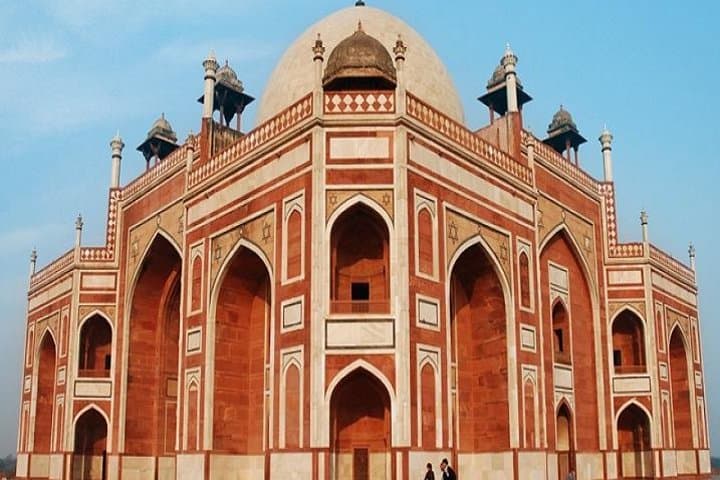
You step out into a cool Delhi morning and the garden exhales—muggy streets give way to clipped lawns and a horizon cut by red sandstone. Humayun’s Tomb looms ahead, its dome catching the first light while the garden paths guide you toward smaller, patient mausoleums that seem to be waiting for stories.
Verified experiences and guided adventures in the surrounding area.
Operated by SITA World Tours · New Delhi, Delhi
You step out into a cool Delhi morning and the garden exhales—muggy streets give way to clipped lawns and a horizon cut by red sandstone. Humayun’s Tomb looms ahead, its dome catching the first light while the garden paths guide you toward smaller, patient mausoleums that seem to be waiting for stories.
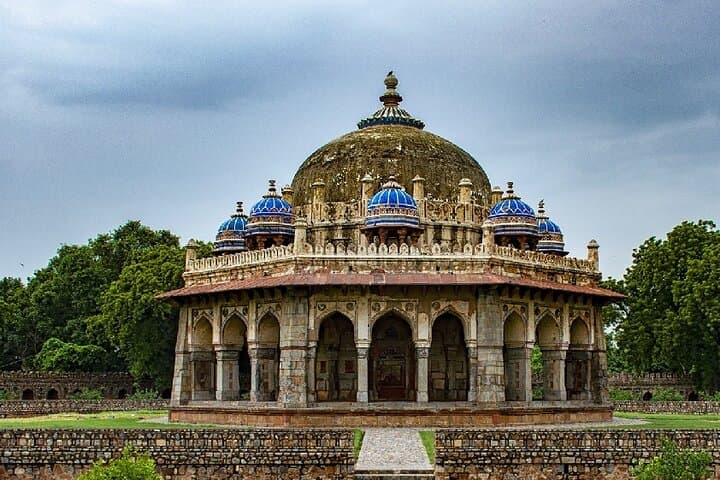
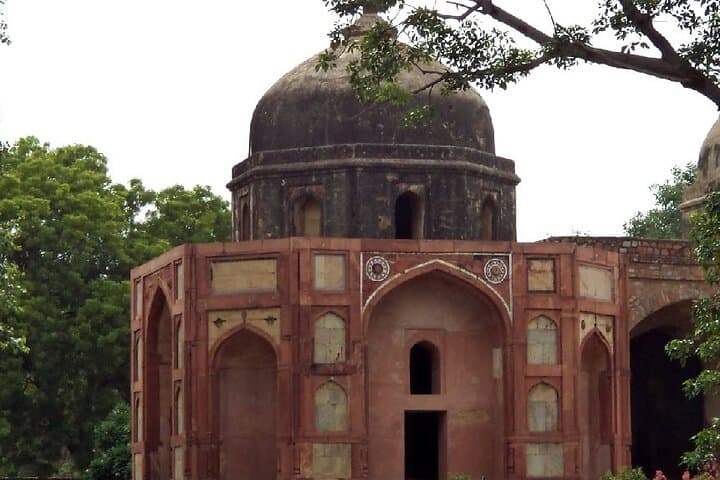
Built in the mid-1500s at the commission of Empress Bega Begum and completed by a Persian architect, the complex introduced the Mughal charbagh layout to the subcontinent and later inspired the Taj Mahal. The main tomb’s red sandstone facades, white marble inlay, restrained calligraphy and geometric gardens read as both engineering and ritual. Your historian guide will point out architectural illusions—proportions that enlarge the eye, blind arches that frame vistas—and highlight nearby octagonal tombs like Isa Khan’s and less-noticed structures such as Bu Hamida’s and Afsarwala’s tombs. Paths slow here; peacocks and parakeets argue with the breeze, and the restored surfaces reveal conservation work by ASI and international partners.
Practically: this private two-hour walk begins early to avoid heat and crowds, includes breakfast and hotel pickup in New Delhi, and covers mostly paved garden paths with short rises and steps. Expect clear storytelling, on-site admission handled by the operator, and moderate walking. Bring water, modest clothing for a sacred site, and a camera with extra battery. Reconfirm pickup, and note the seasonal operating window—this guided visit runs October through March.
moderate.
2–3 hours.
Suitable for travelers in average physical condition who can walk on paved paths and navigate steps for up to two hours.
Yes, this private tour includes admission to Humayun’s Tomb as part of the package handled by your guide.
The operator runs this tour from October through March; mornings in this window offer cooler temperatures and clearer skies.
The site has paved pathways and some steps; the walk is moderate with only short rises—good walking shoes are recommended.
Breakfast is included; the operator typically provides it after the walk, either on-site or back at the vehicle depending on logistics.
Humayun’s Tomb, commissioned by Empress Bega Begum in the mid-16th century and designed by a Persian architect, is a precursor to later Mughal mausoleums and a UNESCO World Heritage Site.
Restoration has been ongoing under the Archaeological Survey of India with international partners; visitors are encouraged to stay on paths and avoid touching delicate stonework to limit wear.
SITA World Tours operates guided outdoor trips and adventures with an emphasis on safety, stewardship, and memorable experiences.

You step out into a cool Delhi morning and the garden exhales—muggy streets give way to clipped lawns and a horizon cut by red sandstone. Humayun’s Tomb looms ahead, its dome catching the first light while the garden paths guide you toward smaller, patient mausoleums that seem to be waiting for stories.
You step out into a cool Delhi morning and the garden exhales—muggy streets give way to clipped lawns and a horizon cut by red sandstone. Humayun’s Tomb looms ahead, its dome catching the first light while the garden paths guide you toward smaller, patient mausoleums that seem to be waiting for stories.
Built in the mid-1500s at the commission of Empress Bega Begum and completed by a Persian architect, the complex introduced the Mughal charbagh layout to the subcontinent and later inspired the Taj Mahal. The main tomb’s red sandstone facades, white marble inlay, restrained calligraphy and geometric gardens read as both engineering and ritual. Your historian guide will point out architectural illusions—proportions that enlarge the eye, blind arches that frame vistas—and highlight nearby octagonal tombs like Isa Khan’s and less-noticed structures such as Bu Hamida’s and Afsarwala’s tombs. Paths slow here; peacocks and parakeets argue with the breeze, and the restored surfaces reveal conservation work by ASI and international partners.
Practically: this private two-hour walk begins early to avoid heat and crowds, includes breakfast and hotel pickup in New Delhi, and covers mostly paved garden paths with short rises and steps. Expect clear storytelling, on-site admission handled by the operator, and moderate walking. Bring water, modest clothing for a sacred site, and a camera with extra battery. Reconfirm pickup, and note the seasonal operating window—this guided visit runs October through March.