THE ADVENTURE COLLECTIVE® · Independent discovery and booking for outdoor travel

A small-group day trip from Tokyo to Mt. Fuji and the Shibazakura Festival delivers peak spring color and iconic mountain views. Beat the crowds with early arrival, plan for variable weather, and expect easy walking across floral fields and lakeside viewpoints.
A small-group day trip from Tokyo to Mt. Fuji and the Shibazakura Festival delivers peak spring color and iconic mountain views. Beat the crowds with early arrival, plan for variable weather, and expect easy walking across floral fields and lakeside viewpoints.
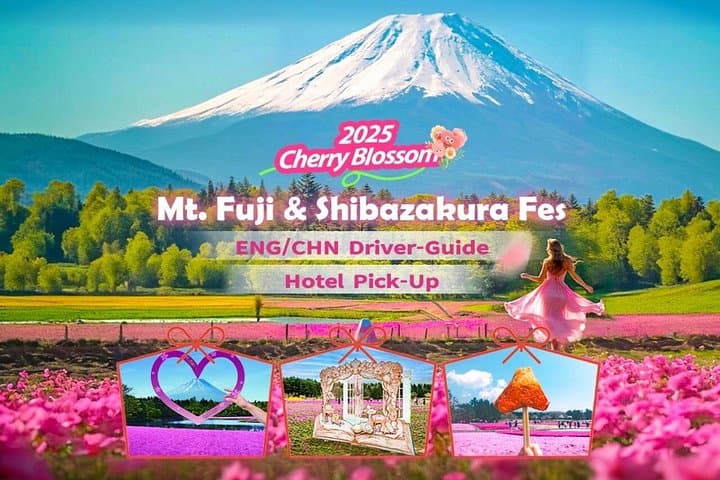
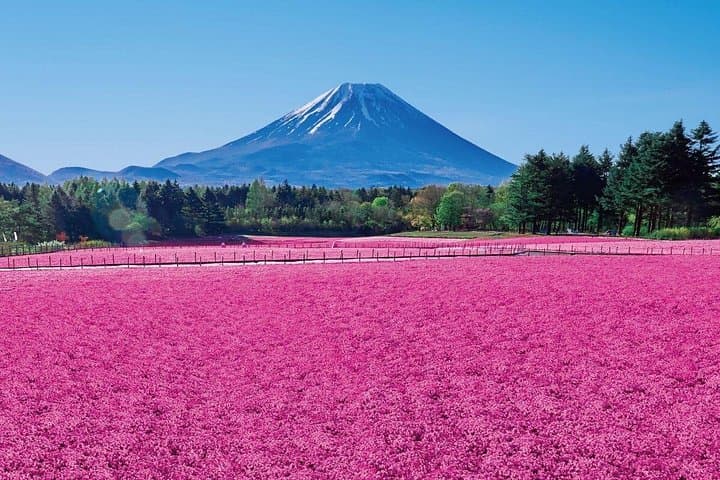
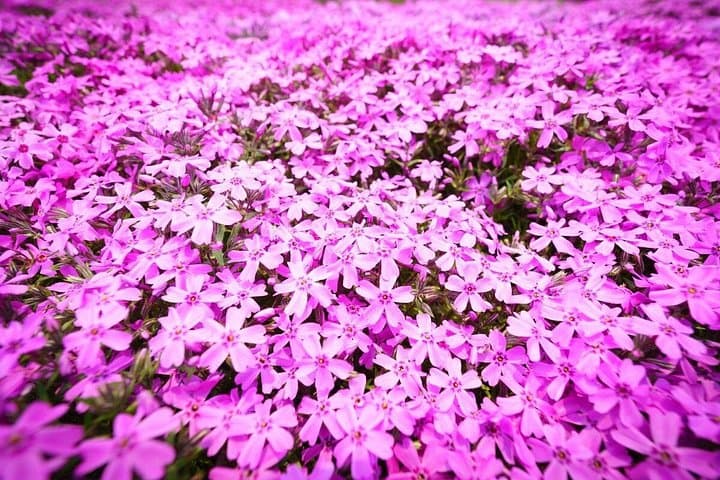
You leave Tokyo before the city brightens, windows framing low suburbs that give way to tea fields and the growing silhouette of Mt. Fuji. By midmorning the van pulls into the Shibazakura Festival site on Lake Motosu’s shore: a pink carpet of moss phlox spreading toward a clean, conical Fuji. The flowers lean like a crowd looking up at the mountain; wind and sun rearrange the scene every hour.
Verified experiences and guided adventures in the surrounding area.
Operated by Hakuu · Fujikawaguchiko, Yamanashi
You leave Tokyo before the city brightens, windows framing low suburbs that give way to tea fields and the growing silhouette of Mt. Fuji. By midmorning the van pulls into the Shibazakura Festival site on Lake Motosu’s shore: a pink carpet of moss phlox spreading toward a clean, conical Fuji. The flowers lean like a crowd looking up at the mountain; wind and sun rearrange the scene every hour.
Geology and history sit behind that view. Mount Fuji is an active stratovolcano shaped by repeated eruptions and lava flows; the surrounding lakes are remnant basins carved by past glaciation and volcanic activity. Hanami—flower viewing—has been part of Japanese spring culture for centuries; the Shibazakura Festival itself is a modern horticultural event built around that tradition, with food stalls and local crafts underscoring regional life.
Local insight: photographers time visits between 10AM and noon for east light, and small-group vans like this aim to beat the crowds. Expect short, level walks across festival paths, a lakeside park stop with seasonal floral beds, and a chance to sample festival takoyaki while Fuji peers through breaks in the clouds.
Practically: bring layers for shifting wind, a windproof jacket, good walking shoes for grassy plots, and a charged camera with extra memory. Accessibility is generally good for short strolls, but visibility of Fuji is weather-dependent—clear mornings are prime. If you want quieter shots, stroll toward the lake’s edge or ask your guide for lesser-used viewpoints.
easy.
8–9 hours.
Suitable for most fitness levels; requires short, flat walks and standing for photos
The full-day tour is about 8–9 hours total; travel time each way is roughly 2–3 hours depending on traffic.
No—visibility depends on weather. Clear mornings offer the best views; clouds and haze can obscure the peak.
Main festival paths are generally level and have accessible sections, but some grassy areas may be uneven—check with the operator for specific mobility needs.
Shibazakura Festival admission is included; food and souvenirs are extra and typically paid on-site.
Mount Fuji has served as a spiritual and cultural symbol for centuries; the local lakes and villages grew where volcanic and glacial forces shaped the land.
Stick to marked paths, avoid picking flowers, and pack out waste—high visitor numbers can stress fragile floral plots and lakeside habitats.
Hakuu operates guided outdoor trips and adventures with an emphasis on safety, stewardship, and memorable experiences.

You leave Tokyo before the city brightens, windows framing low suburbs that give way to tea fields and the growing silhouette of Mt. Fuji. By midmorning the van pulls into the Shibazakura Festival site on Lake Motosu’s shore: a pink carpet of moss phlox spreading toward a clean, conical Fuji. The flowers lean like a crowd looking up at the mountain; wind and sun rearrange the scene every hour.
You leave Tokyo before the city brightens, windows framing low suburbs that give way to tea fields and the growing silhouette of Mt. Fuji. By midmorning the van pulls into the Shibazakura Festival site on Lake Motosu’s shore: a pink carpet of moss phlox spreading toward a clean, conical Fuji. The flowers lean like a crowd looking up at the mountain; wind and sun rearrange the scene every hour.
Geology and history sit behind that view. Mount Fuji is an active stratovolcano shaped by repeated eruptions and lava flows; the surrounding lakes are remnant basins carved by past glaciation and volcanic activity. Hanami—flower viewing—has been part of Japanese spring culture for centuries; the Shibazakura Festival itself is a modern horticultural event built around that tradition, with food stalls and local crafts underscoring regional life.
Local insight: photographers time visits between 10AM and noon for east light, and small-group vans like this aim to beat the crowds. Expect short, level walks across festival paths, a lakeside park stop with seasonal floral beds, and a chance to sample festival takoyaki while Fuji peers through breaks in the clouds.
Practically: bring layers for shifting wind, a windproof jacket, good walking shoes for grassy plots, and a charged camera with extra memory. Accessibility is generally good for short strolls, but visibility of Fuji is weather-dependent—clear mornings are prime. If you want quieter shots, stroll toward the lake’s edge or ask your guide for lesser-used viewpoints.