THE ADVENTURE COLLECTIVE® · Independent discovery and booking for outdoor travel

Leave the city noise behind and follow a short, guided climb from Shin-Kobe Station to the cool mist of Nunobiki Falls. This 90-minute morning hike pairs easy but stair-heavy terrain with centuries of local history and refreshing waterfall views.
Leave the city noise behind and follow a short, guided climb from Shin-Kobe Station to the cool mist of Nunobiki Falls. This 90-minute morning hike pairs easy but stair-heavy terrain with centuries of local history and refreshing waterfall views.
You step off the early train at Shin-Kobe and the city hum recedes into the sound of footsteps and falling water. The trail climbs quickly into a steep, green amphitheater where cool mist from Nunobiki Falls meets the dawn. Stairs and stone paths guide you through cedar and maple; the cascade appears in sections, each drop announcing itself with a crisp, river-voice that pushes you forward.
Verified experiences and guided adventures in the surrounding area.
Operated by DeepExperience · Kobe, Hyogo Prefecture
You step off the early train at Shin-Kobe and the city hum recedes into the sound of footsteps and falling water. The trail climbs quickly into a steep, green amphitheater where cool mist from Nunobiki Falls meets the dawn. Stairs and stone paths guide you through cedar and maple; the cascade appears in sections, each drop announcing itself with a crisp, river-voice that pushes you forward.
Nunobiki Falls has been admired for over a thousand years—poets and pilgrims praised its clear spring known as “Kobe water,” once taken aboard ships for its reputed ability to stay fresh on long voyages. Geologically the site is a foothill spilloff from the Rokko range: layered rock and compact soils channel multiple small plunges rather than a single towering drop. Culturally the falls are tied to local Shinto shrines and classical Japanese art, offering a quiet counterpoint to Kobe’s port history.
On a guided morning hike expect a focused 90-minute route with several short stair sections and roughly 100–150 meters of climbing spread across compact terrain. The guide will point out viewpoints, share historical anecdotes, and help pace the group on the steeper stone steps. Practical notes: go early to catch cooler air and thinner crowds, wear grippy shoes for wet stone, and pack a light layer for mist and changing mountain air. Public transit drops you within minutes; the walk itself is short but physical, rewarding visitors with mist, moss, and a palpable link to Kobe’s maritime past.
easy.
1–1.5 hours.
Suitable for most people with basic mobility; expect repeated stair climbs and short steep sections.
Most tours meet near Shin-Kobe Station entrance—check your booking confirmation for the exact meeting point and arrive 10 minutes early.
Yes; the path is short but includes many stairs—children and older adults who can handle steps should be fine with a moderate pace.
Guides are typically local experts; confirm language availability when booking as some tours are offered in English and Japanese.
The source is historically famed for its purity, but drinking directly from springs is discouraged—follow your guide’s advice and local signage.
Nunobiki Falls supplied ‘Kobe water’ prized by sailors and features in classical Japanese poetry; it’s long been considered one of the region’s most culturally significant cascades.
Stay on trails and avoid collecting water or plants; the area is fragile—especially moss and low-rooted vegetation—and benefits from low-impact visitation.
DeepExperience operates guided outdoor trips and adventures with an emphasis on safety, stewardship, and memorable experiences.
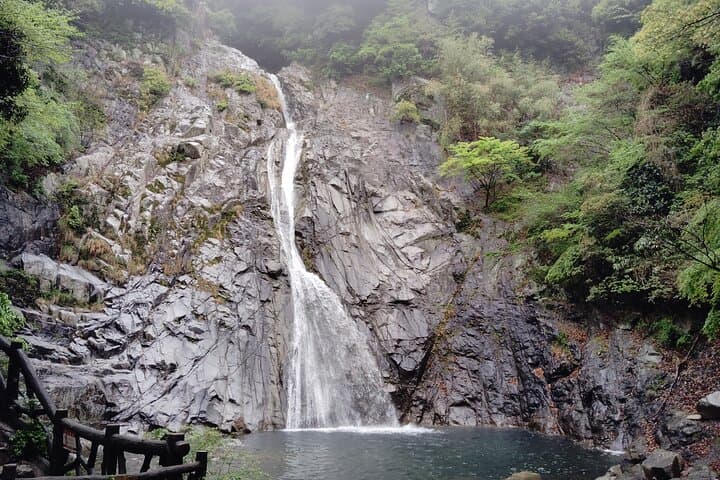
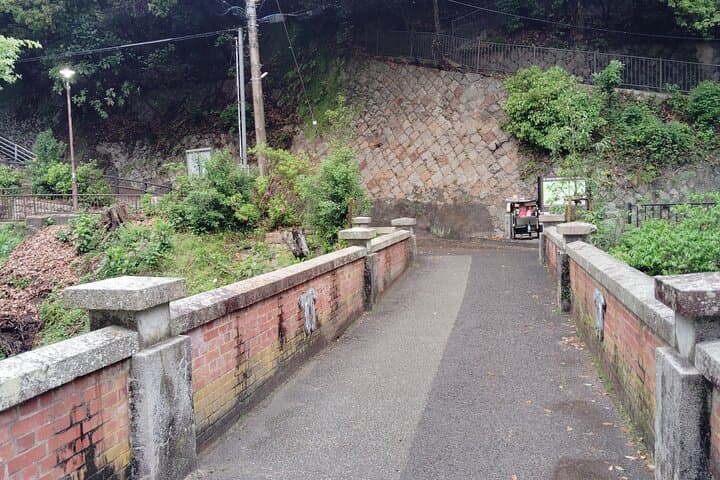
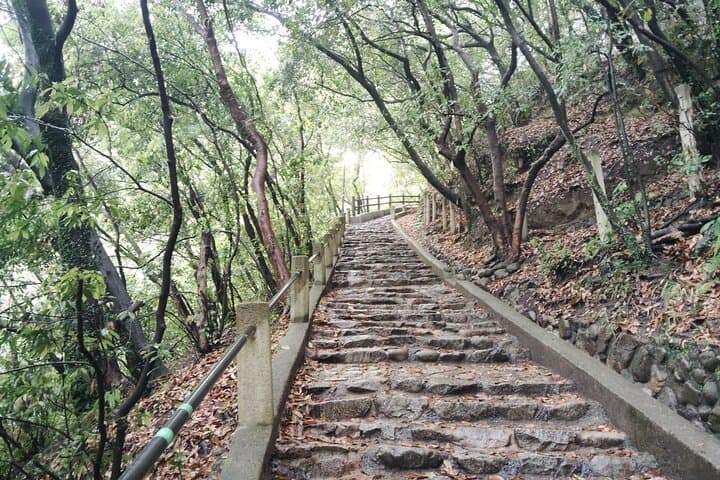
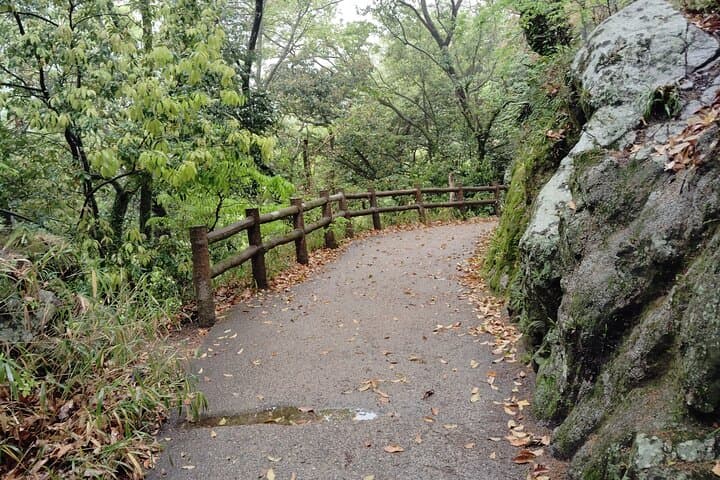
You step off the early train at Shin-Kobe and the city hum recedes into the sound of footsteps and falling water. The trail climbs quickly into a steep, green amphitheater where cool mist from Nunobiki Falls meets the dawn. Stairs and stone paths guide you through cedar and maple; the cascade appears in sections, each drop announcing itself with a crisp, river-voice that pushes you forward.
You step off the early train at Shin-Kobe and the city hum recedes into the sound of footsteps and falling water. The trail climbs quickly into a steep, green amphitheater where cool mist from Nunobiki Falls meets the dawn. Stairs and stone paths guide you through cedar and maple; the cascade appears in sections, each drop announcing itself with a crisp, river-voice that pushes you forward.
Nunobiki Falls has been admired for over a thousand years—poets and pilgrims praised its clear spring known as “Kobe water,” once taken aboard ships for its reputed ability to stay fresh on long voyages. Geologically the site is a foothill spilloff from the Rokko range: layered rock and compact soils channel multiple small plunges rather than a single towering drop. Culturally the falls are tied to local Shinto shrines and classical Japanese art, offering a quiet counterpoint to Kobe’s port history.
On a guided morning hike expect a focused 90-minute route with several short stair sections and roughly 100–150 meters of climbing spread across compact terrain. The guide will point out viewpoints, share historical anecdotes, and help pace the group on the steeper stone steps. Practical notes: go early to catch cooler air and thinner crowds, wear grippy shoes for wet stone, and pack a light layer for mist and changing mountain air. Public transit drops you within minutes; the walk itself is short but physical, rewarding visitors with mist, moss, and a palpable link to Kobe’s maritime past.