THE ADVENTURE COLLECTIVE® · Independent discovery and booking for outdoor travel

Start the day above Hiroshima: a compact morning hike on Mt. Futaba blends shrine visits, a forest walk, panoramic views of the Seto Inland Sea, and an open-air tea ceremony with a local bento. Ideal for travelers seeking light exertion with cultural depth.
Start the day above Hiroshima: a compact morning hike on Mt. Futaba blends shrine visits, a forest walk, panoramic views of the Seto Inland Sea, and an open-air tea ceremony with a local bento. Ideal for travelers seeking light exertion with cultural depth.
Dawn slides across the Seto Inland Sea and the city below as you climb: the path opens through cedar and camphor, birds punctuating the cool air while paper lanterns and vermilion torii frame short pauses at Shinto shrines. This morning hike up Mt. Futaba begins in the quiet streets near Hiroshima Station and rises into a small sacred forest where shrine architecture and layered city views meet the sea.
Verified experiences and guided adventures in the surrounding area.
Operated by Attractive JAPAN · Hiroshima, Hiroshima Prefecture
Dawn slides across the Seto Inland Sea and the city below as you climb: the path opens through cedar and camphor, birds punctuating the cool air while paper lanterns and vermilion torii frame short pauses at Shinto shrines. This morning hike up Mt. Futaba begins in the quiet streets near Hiroshima Station and rises into a small sacred forest where shrine architecture and layered city views meet the sea.
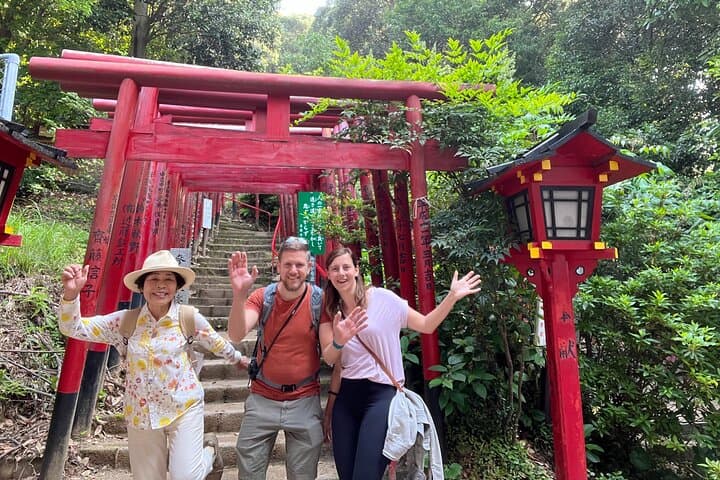
Geology here is gentle—low volcanic hills carved by erosion, with soil that supports dense broadleaf and evergreen growth. The route threads through Hiroshima Toshogu, where Edo-period connections meet local Shinto practice, and Kinko Inari, whose narrow lines of gates feel intimate rather than expansive.
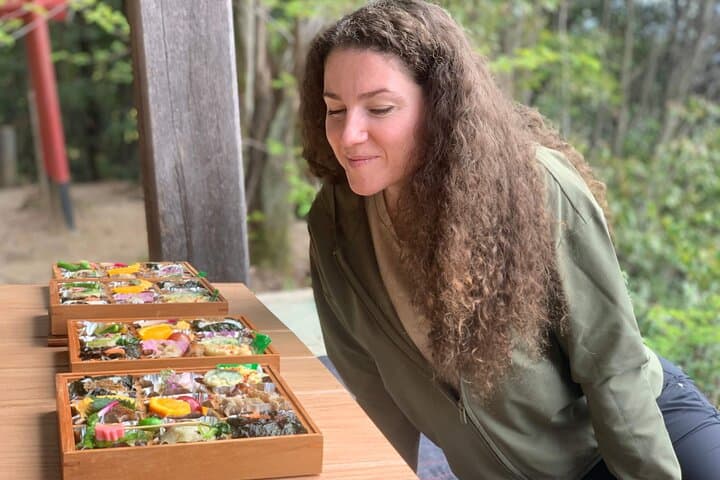
Culturally the tour stitches history and present: a Shinto priest’s explanation of the castle-town legacy, then a humble Okumiya shrine lunch spot with bento made from local ingredients. The guide performs an open-air nodate (tea ceremony), a quiet cultural bridge before the descent.
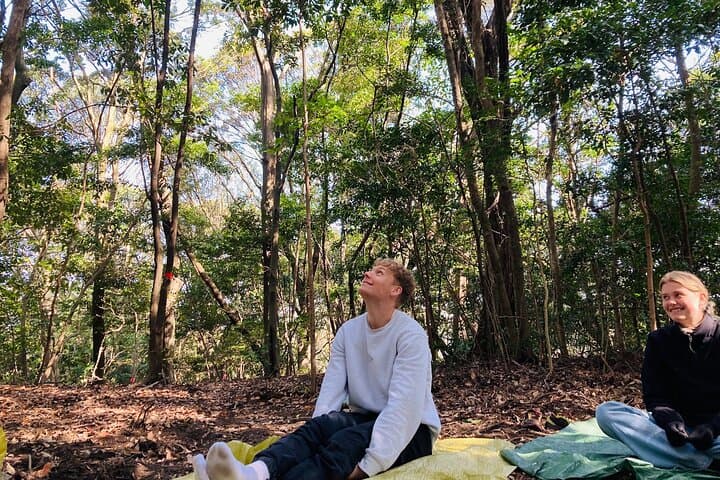
Practically: expect a mostly well-marked trail, sections of stone steps, and short steep pitches rather than long scrambles. Total outing time is about 3.5 hours with multiple stops for interpretation, views, forest-bathing, and a seated bento. Bring layered clothing for the cool morning, sturdy trail shoes, and a small daypack for water and camera gear. The route is suitable for most fitness levels but not recommended for people with serious back or heart issues. Start early to catch clear views of Miyajima and the Seto Inland Sea, and be prepared to move steadily between interpretation stops to keep the group on schedule.
easy.
3–3.5 hours.
Suitable for most moderately active travelers who can walk uphill for 30–45 minutes at a time; not suited for those with serious cardiovascular or back issues.
The ascent includes short steep pitches and stone steps but no technical scrambling—most participants find it a steady, manageable climb.
Yes. The operator can adapt bento options for common allergies and dietary preferences if notified in advance.
Children can join; ages 0–5 participate free. Ensure youngsters can manage steps and periods of walking without frequent rest stops.
The operator requests contact by the morning before the tour if rain is expected; cancellations are handled directly with the provider (note: ticket policy is all sales final).
Mt. Futaba overlooks historic Hiroshima and contains small shrines linked to Edo-period patronage; Hiroshima Toshogu ties to Tokugawa-era religious sites near the castle town.
Trail use is concentrated in a small natural area—stay on marked paths and carry out all trash to protect understory plants and shrine sites; local guides emphasize low-impact practices.
Attractive JAPAN operates guided outdoor trips and adventures with an emphasis on safety, stewardship, and memorable experiences.
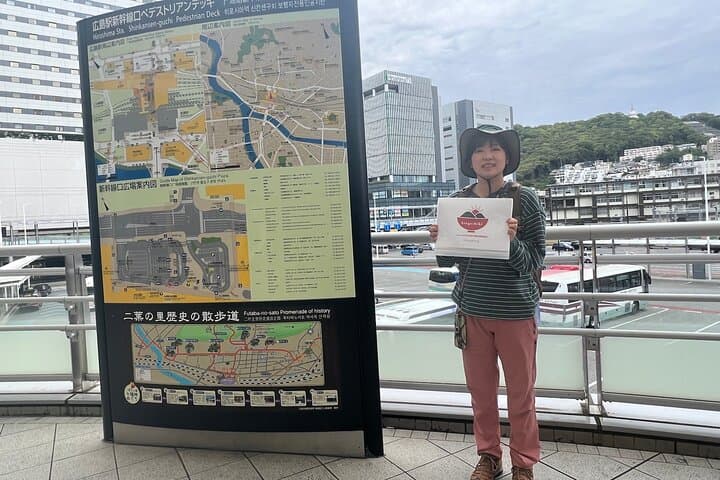
Dawn slides across the Seto Inland Sea and the city below as you climb: the path opens through cedar and camphor, birds punctuating the cool air while paper lanterns and vermilion torii frame short pauses at Shinto shrines. This morning hike up Mt. Futaba begins in the quiet streets near Hiroshima Station and rises into a small sacred forest where shrine architecture and layered city views meet the sea.
Dawn slides across the Seto Inland Sea and the city below as you climb: the path opens through cedar and camphor, birds punctuating the cool air while paper lanterns and vermilion torii frame short pauses at Shinto shrines. This morning hike up Mt. Futaba begins in the quiet streets near Hiroshima Station and rises into a small sacred forest where shrine architecture and layered city views meet the sea.
Geology here is gentle—low volcanic hills carved by erosion, with soil that supports dense broadleaf and evergreen growth. The route threads through Hiroshima Toshogu, where Edo-period connections meet local Shinto practice, and Kinko Inari, whose narrow lines of gates feel intimate rather than expansive.
Culturally the tour stitches history and present: a Shinto priest’s explanation of the castle-town legacy, then a humble Okumiya shrine lunch spot with bento made from local ingredients. The guide performs an open-air nodate (tea ceremony), a quiet cultural bridge before the descent.
Practically: expect a mostly well-marked trail, sections of stone steps, and short steep pitches rather than long scrambles. Total outing time is about 3.5 hours with multiple stops for interpretation, views, forest-bathing, and a seated bento. Bring layered clothing for the cool morning, sturdy trail shoes, and a small daypack for water and camera gear. The route is suitable for most fitness levels but not recommended for people with serious back or heart issues. Start early to catch clear views of Miyajima and the Seto Inland Sea, and be prepared to move steadily between interpretation stops to keep the group on schedule.