THE ADVENTURE COLLECTIVE® · Independent discovery and booking for outdoor travel

A private morning walk that alternates lacquered shrine architecture and tall cedar groves—ideal for travelers who want birds, history, and quiet forest air. Expect paved shrine precincts, forest tracks, and a relaxed pace with cultural stops.
A private morning walk that alternates lacquered shrine architecture and tall cedar groves—ideal for travelers who want birds, history, and quiet forest air. Expect paved shrine precincts, forest tracks, and a relaxed pace with cultural stops.
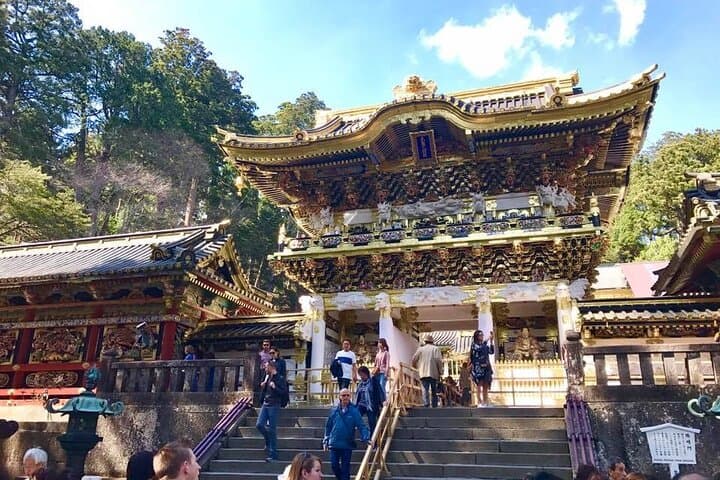
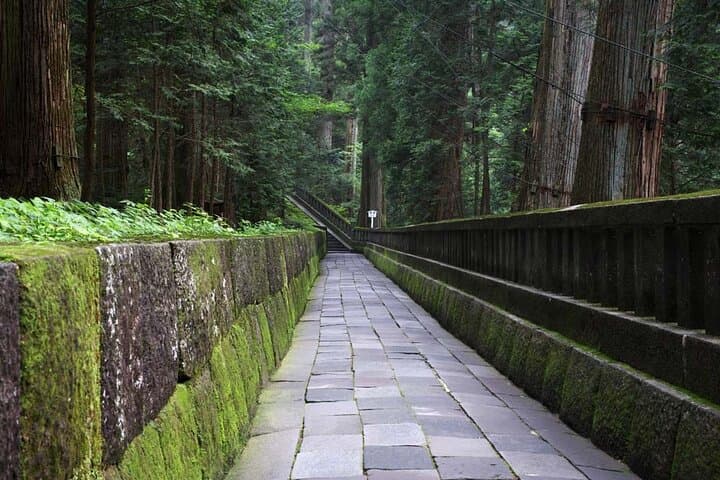
The guide waits in front of the five‑story pagoda as cedar trunks rise like pillars of an older order; morning light threads through needles and the air smells of damp wood and incense. This private morning hike threads shrine precincts and forest track, alternating between lacquered gates and mossy stone steps while small birds call from the canopy.
Verified experiences and guided adventures in the surrounding area.
Operated by Beauty of Japan · Nikko, Tochigi Prefecture
The guide waits in front of the five‑story pagoda as cedar trunks rise like pillars of an older order; morning light threads through needles and the air smells of damp wood and incense. This private morning hike threads shrine precincts and forest track, alternating between lacquered gates and mossy stone steps while small birds call from the canopy.
Nikko’s Toshogu complex dates to the early Edo period and honors Tokugawa Ieyasu; many buildings you pass were rebuilt in the 17th century during a major reconstruction. Geologically, the town sits below volcanic Mount Nantai and the surrounding range—rock and soil here hold moisture, feeding the dense Cryptomeria (sugi) stands that local ascetics long treated as sacred. Shinto practice and mountain asceticism shaped the paths you’ll walk: shrines, torii, and rituals reflect a belief that gods inhabit ancient trees and high places.
Expect mixed surfaces—flagstones around the shrine, compact dirt paths, and several stair sections—over a roughly 2–3 km loop with about 80–120 m total elevation change. Birdwatching can be productive in spring and early summer; watch quietly and use binoculars. The group moves at an easy pace but may linger at viewing points and cultural highlights like Takino Inari and Futarasan Jinja.
Practical tips: meet at 08:55 in front of the five‑story pagoda; bring water, a lightweight rain shell, and steady footwear; plan for changing mountain weather. Be respectful: keep voices low, follow shrine etiquette, and pack out any trash. This walk is as much cultural orientation as it is nature time—suitable for travelers seeking a low‑impact, immersive morning in Nikko.
moderate.
2–4 hours.
Light to moderate fitness—able to walk 2–3 km with stairs and short uphill sections without difficulty
The circuit covers roughly 2–3 km with several stair sections and about 80–120 m of cumulative elevation change; the guide moves at an easy pace with stops at shrines and viewpoints.
Yes—common species include brown‑eared bulbuls and various warblers in spring; flying squirrels are rarely seen but possible around dawn and dusk.
Generally yes—it's listed as accessible for a range of fitness levels, but the route includes steps; contact the operator for mobility concerns or wheelchair needs.
Bring water, a lightweight rain jacket, hat, sun protection in summer, and shoes with good traction; binoculars are recommended for birdwatching.
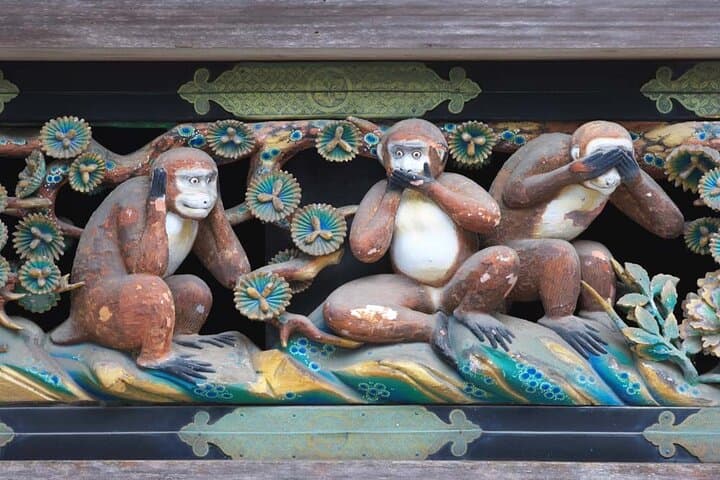
Nikko Toshogu honors Tokugawa Ieyasu and most shrine buildings were rebuilt in the 1630s under Shogun Iemitsu, featuring elaborate lacquer and woodcarving.
The area is managed to protect ancient cedars and understory habitat—stay on trails, avoid feeding wildlife, and pack out waste to minimize impact.
Beauty of Japan operates guided outdoor trips and adventures with an emphasis on safety, stewardship, and memorable experiences.

The guide waits in front of the five‑story pagoda as cedar trunks rise like pillars of an older order; morning light threads through needles and the air smells of damp wood and incense. This private morning hike threads shrine precincts and forest track, alternating between lacquered gates and mossy stone steps while small birds call from the canopy.
The guide waits in front of the five‑story pagoda as cedar trunks rise like pillars of an older order; morning light threads through needles and the air smells of damp wood and incense. This private morning hike threads shrine precincts and forest track, alternating between lacquered gates and mossy stone steps while small birds call from the canopy.
Nikko’s Toshogu complex dates to the early Edo period and honors Tokugawa Ieyasu; many buildings you pass were rebuilt in the 17th century during a major reconstruction. Geologically, the town sits below volcanic Mount Nantai and the surrounding range—rock and soil here hold moisture, feeding the dense Cryptomeria (sugi) stands that local ascetics long treated as sacred. Shinto practice and mountain asceticism shaped the paths you’ll walk: shrines, torii, and rituals reflect a belief that gods inhabit ancient trees and high places.
Expect mixed surfaces—flagstones around the shrine, compact dirt paths, and several stair sections—over a roughly 2–3 km loop with about 80–120 m total elevation change. Birdwatching can be productive in spring and early summer; watch quietly and use binoculars. The group moves at an easy pace but may linger at viewing points and cultural highlights like Takino Inari and Futarasan Jinja.
Practical tips: meet at 08:55 in front of the five‑story pagoda; bring water, a lightweight rain shell, and steady footwear; plan for changing mountain weather. Be respectful: keep voices low, follow shrine etiquette, and pack out any trash. This walk is as much cultural orientation as it is nature time—suitable for travelers seeking a low‑impact, immersive morning in Nikko.