THE ADVENTURE COLLECTIVE® · Independent discovery and booking for outdoor travel

A pre-dawn jeep ride into Udawalawe delivers close elephant encounters and a concentrated burst of birdlife. This morning game drive is best for travelers who want efficient, guided wildlife viewing with local insight.
A pre-dawn jeep ride into Udawalawe delivers close elephant encounters and a concentrated burst of birdlife. This morning game drive is best for travelers who want efficient, guided wildlife viewing with local insight.
Dawn arrives cool and bluish over the Udawalawe reservoir; a safari jeep bumps along dusty tracks as birds lift like punctuation from the scrub. The air smells of damp earth and early tea, and elephants move with deliberate curiosity toward the water, their trunks testing the morning light.
Verified experiences and guided adventures in the surrounding area.
Operated by The Mice Team · Udawalawe, Southern Province
Dawn arrives cool and bluish over the Udawalawe reservoir; a safari jeep bumps along dusty tracks as birds lift like punctuation from the scrub. The air smells of damp earth and early tea, and elephants move with deliberate curiosity toward the water, their trunks testing the morning light.
Udawalawe National Park was created after the reservoir flooded lowland habitats, offering a refuge for animals pushed from agricultural plains. Geologically the park sits where Sri Lanka’s wet and dry zones meet, creating open grasslands, rocky outcrops, and marshy fringes that concentrate wildlife. Local communities around Udawalawe have a long relationship with the land—fishing and rice cultivation by the reservoir, and small villages that supply guides and accommodation.
On a morning drive, expect focused wildlife viewing rather than long hikes; landscapes unfold like chapters—wetland edges lined with herons, open plains where elephants graze, and thickets where sambar and macaques disappear.
Practical guidance: drives typically start before sunrise to catch animals at water. Binoculars and a zoom lens reward patient watchers; a light jacket wards off early-morning chill, then peel layers as the heat builds. Guides know seasonal patterns—during dry months animals cluster at the reservoir, making sightings more reliable.
Respect the rhythms of the park: keep windows partly closed when animals are near, follow the guide’s distance rules, and avoid sudden noise. With a little preparation, a morning game drive in Udawalawe delivers close, responsible encounters with some of Sri Lanka’s best-known wildlife.
easy.
3–4 hours.
Minimal physical exertion required; suitable for most fitness levels as activity is vehicle-based
Pickups typically begin around 05:30 with drives starting near park opening; most tours return to hotels by 09:30–10:00.
Standard tours usually include national park entrance fees, but confirm on booking to avoid surprises.
Udawalawe is known for frequent elephant sightings, especially near the reservoir during dry months, though sightings cannot be guaranteed.
Yes—game drives are vehicle-based and considered suitable for families and those with limited mobility, but check medical restrictions mentioned by the operator.
The park was formed partly to provide habitat for animals displaced by the Udawalawe Reservoir, transforming a flooded landscape into a managed wildlife refuge.
Management focuses on reducing human–wildlife conflict and protecting corridors between habitat patches; visitors should follow rules to minimize disturbance and litter.
The Mice Team operates guided outdoor trips and adventures with an emphasis on safety, stewardship, and memorable experiences.
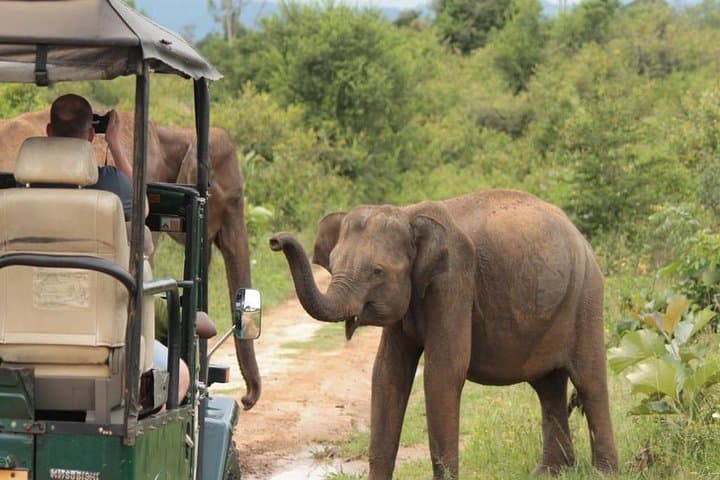
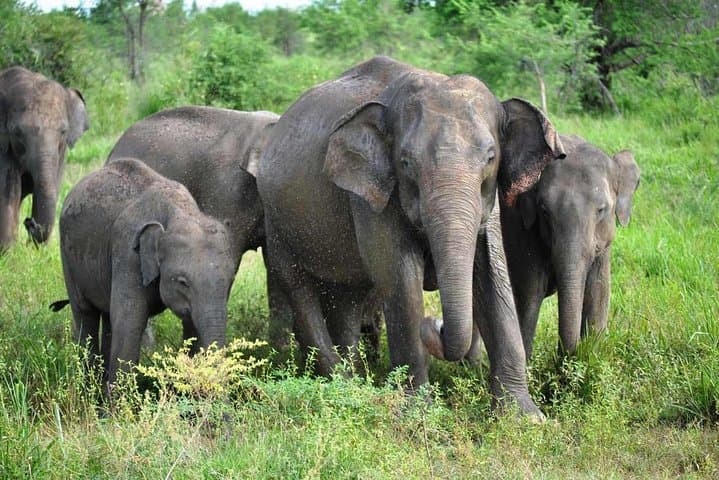
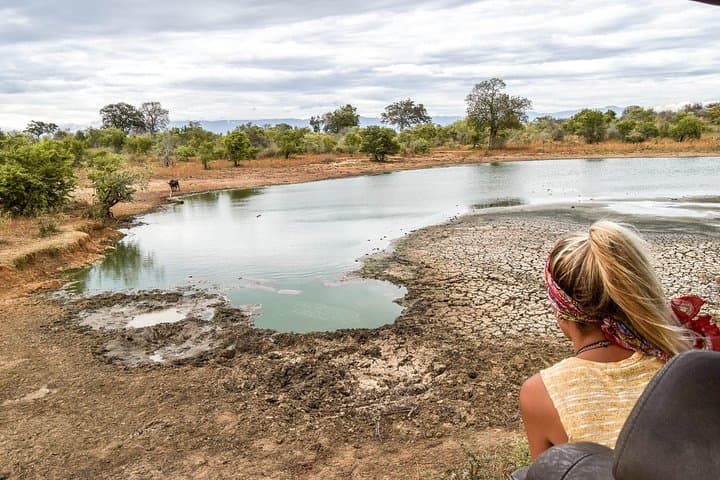
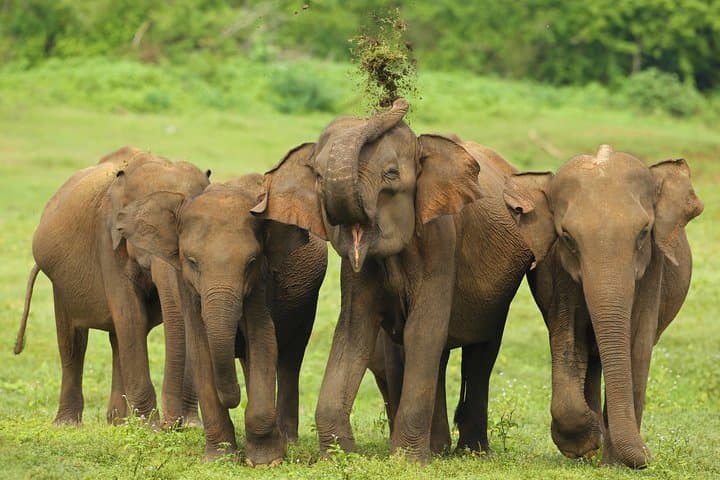
Dawn arrives cool and bluish over the Udawalawe reservoir; a safari jeep bumps along dusty tracks as birds lift like punctuation from the scrub. The air smells of damp earth and early tea, and elephants move with deliberate curiosity toward the water, their trunks testing the morning light.
Dawn arrives cool and bluish over the Udawalawe reservoir; a safari jeep bumps along dusty tracks as birds lift like punctuation from the scrub. The air smells of damp earth and early tea, and elephants move with deliberate curiosity toward the water, their trunks testing the morning light.
Udawalawe National Park was created after the reservoir flooded lowland habitats, offering a refuge for animals pushed from agricultural plains. Geologically the park sits where Sri Lanka’s wet and dry zones meet, creating open grasslands, rocky outcrops, and marshy fringes that concentrate wildlife. Local communities around Udawalawe have a long relationship with the land—fishing and rice cultivation by the reservoir, and small villages that supply guides and accommodation.
On a morning drive, expect focused wildlife viewing rather than long hikes; landscapes unfold like chapters—wetland edges lined with herons, open plains where elephants graze, and thickets where sambar and macaques disappear.
Practical guidance: drives typically start before sunrise to catch animals at water. Binoculars and a zoom lens reward patient watchers; a light jacket wards off early-morning chill, then peel layers as the heat builds. Guides know seasonal patterns—during dry months animals cluster at the reservoir, making sightings more reliable.
Respect the rhythms of the park: keep windows partly closed when animals are near, follow the guide’s distance rules, and avoid sudden noise. With a little preparation, a morning game drive in Udawalawe delivers close, responsible encounters with some of Sri Lanka’s best-known wildlife.