THE ADVENTURE COLLECTIVE® · Independent discovery and booking for outdoor travel

Start at Mi Pueblito and climb Cerro Ancón for a short, wildlife-rich hike that culminates in sweeping views of the Panama Canal and a traditional Panamanian breakfast. Ideal for morning visitors who want nature and culture in one accessible outing.
Start at Mi Pueblito and climb Cerro Ancón for a short, wildlife-rich hike that culminates in sweeping views of the Panama Canal and a traditional Panamanian breakfast. Ideal for morning visitors who want nature and culture in one accessible outing.
You begin where city concrete loosens its grip: the entrance to Mi Pueblito at 8:00 a.m., the air already warm and humid. The trail climbs through a compact band of secondary tropical forest, palms and strangler figs brushing the path as toucans call from the canopy and a sloth hangs almost motionless overhead. At the crest the skyline opens—Panama’s glass towers to one side, the broad sweep of the Panama Canal and the red-tile roofs of Casco Viejo to the other—an immediate, human-scale view of the country’s layered history.
Verified experiences and guided adventures in the surrounding area.
Operated by Book Panama Tours · Panama City, Panama Province
You begin where city concrete loosens its grip: the entrance to Mi Pueblito at 8:00 a.m., the air already warm and humid. The trail climbs through a compact band of secondary tropical forest, palms and strangler figs brushing the path as toucans call from the canopy and a sloth hangs almost motionless overhead. At the crest the skyline opens—Panama’s glass towers to one side, the broad sweep of the Panama Canal and the red-tile roofs of Casco Viejo to the other—an immediate, human-scale view of the country’s layered history.
Cerro Ancón is the last protected hill inside Panama City and was part of the strategic high ground around the Canal Zone; its trails trace soils left by uplift and tropical erosion, with pockets of exposed rock and rich leaf litter beneath your feet. Mi Pueblito, a short cultural circuit at the trailhead, recreates Interiorano, Indigenous and Afro-Antillean village life and provides insight into regional crafts, foodways and architecture.
Practical guidance: this is a short, 3-hour outing (90 minutes up and down plus village time) with roughly 150–200 m of ascent on uneven, rooty trails. Wear sturdy, closed-toe shoes, bring sun protection and at least 1 liter of water—bottled water is provided—but also pack insect repellent and a light rain layer in wet months. Expect wildlife sightings (monkeys, sloths, toucans) best seen early and quietly; avoid feeding animals and stay on marked paths. The tour finishes with a Panamanian breakfast in the Afro-Antillean kitchen—empanada or hojaldre options—and leaves time for questions and local tips before you return to the city bustle.
moderate.
3 hours.
Suitable for most active travelers; you should be comfortable walking on uneven uphill/downhill trails for up to 90 minutes at a time.
The full experience lasts about 3 hours—roughly 90 minutes for the hike (up and down combined) and 90 minutes exploring Mi Pueblito and enjoying breakfast.
Yes—breakfast in the Afro-Antillean kitchen is included; common options are empanadas, hojaldre with sausage, or a local fried option, served with coffee or tea.
Yes—sloths, white-faced capuchin monkeys and toucans are commonly sighted, especially in the morning if you move quietly and keep to the trail.
The route is short but involves uneven ground and some elevation; it’s generally suitable for most fitness levels but not recommended for travelers with spinal, heart conditions, or for pregnant visitors per operator guidance.
Cerro Ancón was within the Canal Zone’s strategic landscape and today stands as the largest protected green space inside Panama City, offering views that connect the city’s colonial and maritime history.
Stay on marked trails, pack out litter, and avoid feeding wildlife; the hill’s limited area makes it sensitive to erosion and disturbance.
Book Panama Tours operates guided outdoor trips and adventures with an emphasis on safety, stewardship, and memorable experiences.
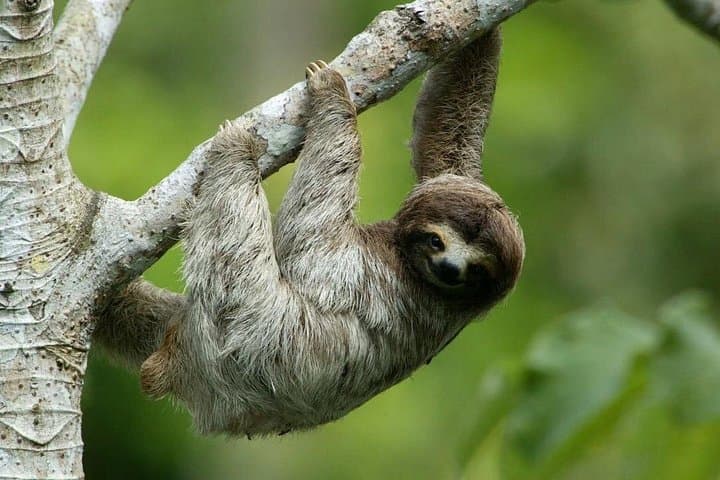
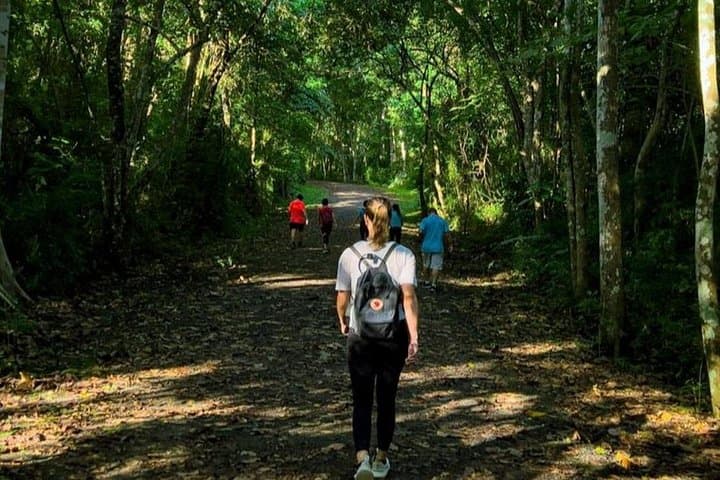
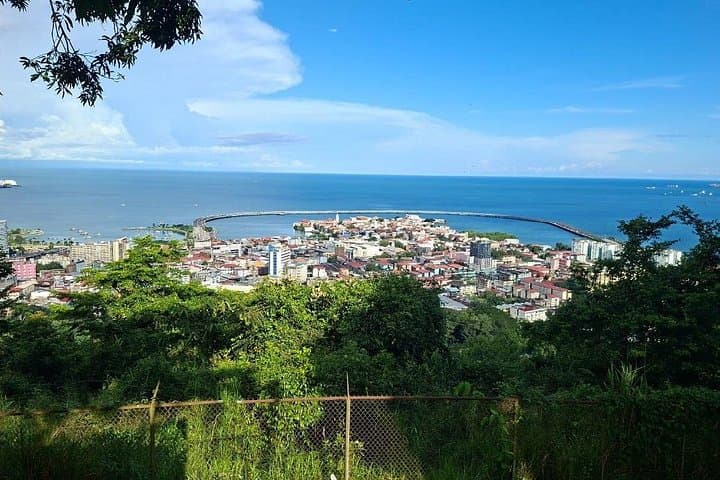
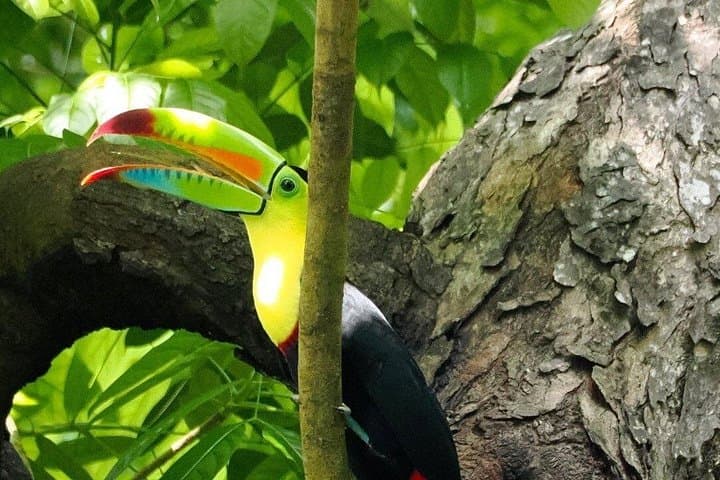
You begin where city concrete loosens its grip: the entrance to Mi Pueblito at 8:00 a.m., the air already warm and humid. The trail climbs through a compact band of secondary tropical forest, palms and strangler figs brushing the path as toucans call from the canopy and a sloth hangs almost motionless overhead. At the crest the skyline opens—Panama’s glass towers to one side, the broad sweep of the Panama Canal and the red-tile roofs of Casco Viejo to the other—an immediate, human-scale view of the country’s layered history.
You begin where city concrete loosens its grip: the entrance to Mi Pueblito at 8:00 a.m., the air already warm and humid. The trail climbs through a compact band of secondary tropical forest, palms and strangler figs brushing the path as toucans call from the canopy and a sloth hangs almost motionless overhead. At the crest the skyline opens—Panama’s glass towers to one side, the broad sweep of the Panama Canal and the red-tile roofs of Casco Viejo to the other—an immediate, human-scale view of the country’s layered history.
Cerro Ancón is the last protected hill inside Panama City and was part of the strategic high ground around the Canal Zone; its trails trace soils left by uplift and tropical erosion, with pockets of exposed rock and rich leaf litter beneath your feet. Mi Pueblito, a short cultural circuit at the trailhead, recreates Interiorano, Indigenous and Afro-Antillean village life and provides insight into regional crafts, foodways and architecture.
Practical guidance: this is a short, 3-hour outing (90 minutes up and down plus village time) with roughly 150–200 m of ascent on uneven, rooty trails. Wear sturdy, closed-toe shoes, bring sun protection and at least 1 liter of water—bottled water is provided—but also pack insect repellent and a light rain layer in wet months. Expect wildlife sightings (monkeys, sloths, toucans) best seen early and quietly; avoid feeding animals and stay on marked paths. The tour finishes with a Panamanian breakfast in the Afro-Antillean kitchen—empanada or hojaldre options—and leaves time for questions and local tips before you return to the city bustle.