THE ADVENTURE COLLECTIVE® · Independent discovery and booking for outdoor travel

Spend a crisp morning in Carmel Valley tasting boutique wines and walking Ingrid’s Vineyard with an expert guide. This focused half-day tour pairs sensory evaluation with practical viticulture insight and a choice of a second tasting at nearby family-run wineries.
Spend a crisp morning in Carmel Valley tasting boutique wines and walking Ingrid’s Vineyard with an expert guide. This focused half-day tour pairs sensory evaluation with practical viticulture insight and a choice of a second tasting at nearby family-run wineries.
Morning light slants across low hills of vines as the van threads a narrow valley road, the Carmel River flickering in the distance. You step out at Bernardus’ tasting room where a guide with decades of vineyard experience leads a focused walk through Ingrid’s Vineyard — pruning patterns, vine spacing and soil feel explained in plain, useful terms. Back at the tasting patio you sample two crisp whites and two expressive reds, from a bright Sauvignon Blanc to the structured Marinus Bordeaux blend.
Verified experiences and guided adventures in the surrounding area.
Operated by Ag Venture Tours · Carmel Valley Village, California
Morning light slants across low hills of vines as the van threads a narrow valley road, the Carmel River flickering in the distance. You step out at Bernardus’ tasting room where a guide with decades of vineyard experience leads a focused walk through Ingrid’s Vineyard — pruning patterns, vine spacing and soil feel explained in plain, useful terms. Back at the tasting patio you sample two crisp whites and two expressive reds, from a bright Sauvignon Blanc to the structured Marinus Bordeaux blend.
Carmel Valley sits in a rain-shadowed pocket of the Santa Lucia Range; its thin, well-drained soils and cool maritime influence make it ideal for Pinot and Chardonnay. The valley’s modern wine culture grew alongside ranching and specialty agriculture in the late 20th century, turning former cattle fields into boutique vineyards and tasting rooms that emphasize small-lot winemaking and direct-to-consumer sales.
Beyond wine, the drive passes Earthbound Farms’ organic stand, flower nurseries and world-class golf greens — reminders that this valley mixes agriculture, leisure and conservation. Local tasting rooms like McIntyre and Chesebro offer contrasting styles: fruit-forward rosés and leaner pinots, or riper Syrah and Petit Sirah blends.
Practical guide: this half-day is three hours, starts in the morning, and includes guided tastings and the vineyard walk — bring a valid ID, layered clothing for cool mornings and a bottle of water. Limited group size keeps the experience personal; ask about wine shipping if you want bottles sent home. Plan for light walking on uneven dirt paths and book early on popular days (Mon–Wed routes differ from Thu–Sun).
easy.
3 hours.
Suitable for most fitness levels; involves short, gentle walking on vineyard paths.
The tour is approximately three hours, including a guided vineyard walk and two tasting stops.
The tour typically includes transport in an air-conditioned vehicle between pick-up point and Carmel Valley tasting rooms—confirm your pickup point when booking.
Yes; wineries offer bottle purchases and many can ship to most U.S. states — check shipping rules and costs with the tasting room.
Tastings are mostly seated, but the vineyard walk is on uneven ground; contact the operator in advance to discuss accessibility accommodations.
Carmel Valley shifted from ranching to boutique viticulture in the late 20th century, with small vineyards and family producers shaping its modern wine identity.
Many local wineries practice water conservation, integrated pest management and sustainable farming to protect fragile soils and the Carmel River watershed.
Ag Venture Tours operates guided outdoor trips and adventures with an emphasis on safety, stewardship, and memorable experiences.
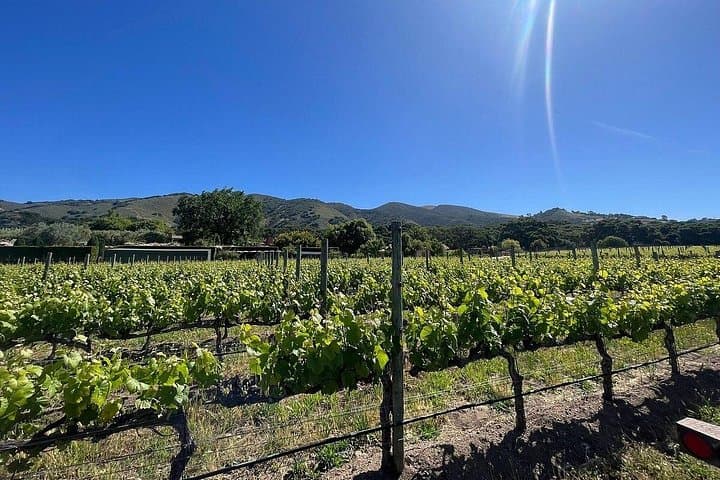
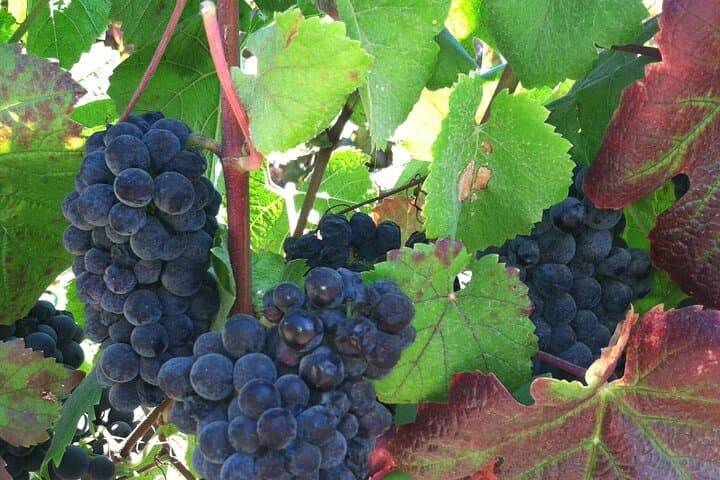
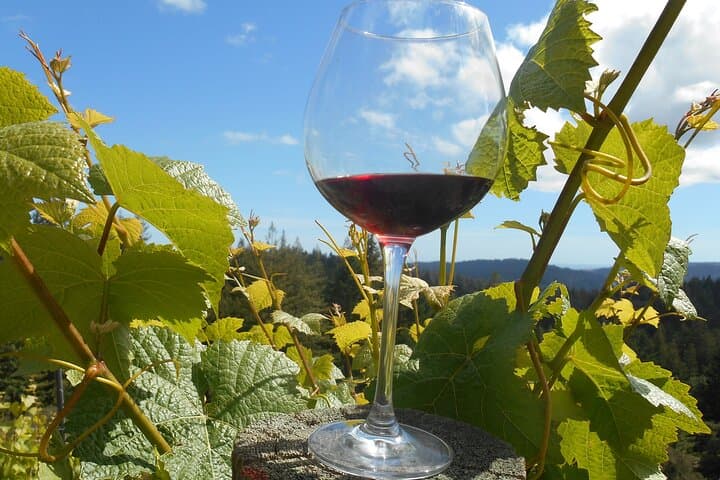
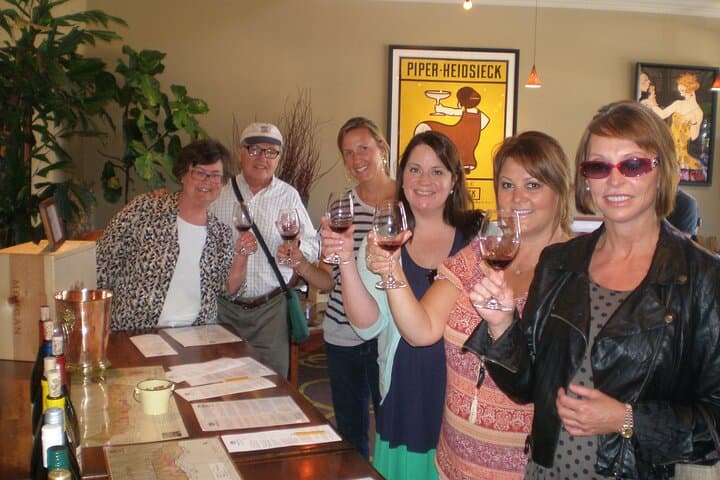
Morning light slants across low hills of vines as the van threads a narrow valley road, the Carmel River flickering in the distance. You step out at Bernardus’ tasting room where a guide with decades of vineyard experience leads a focused walk through Ingrid’s Vineyard — pruning patterns, vine spacing and soil feel explained in plain, useful terms. Back at the tasting patio you sample two crisp whites and two expressive reds, from a bright Sauvignon Blanc to the structured Marinus Bordeaux blend.
Morning light slants across low hills of vines as the van threads a narrow valley road, the Carmel River flickering in the distance. You step out at Bernardus’ tasting room where a guide with decades of vineyard experience leads a focused walk through Ingrid’s Vineyard — pruning patterns, vine spacing and soil feel explained in plain, useful terms. Back at the tasting patio you sample two crisp whites and two expressive reds, from a bright Sauvignon Blanc to the structured Marinus Bordeaux blend.
Carmel Valley sits in a rain-shadowed pocket of the Santa Lucia Range; its thin, well-drained soils and cool maritime influence make it ideal for Pinot and Chardonnay. The valley’s modern wine culture grew alongside ranching and specialty agriculture in the late 20th century, turning former cattle fields into boutique vineyards and tasting rooms that emphasize small-lot winemaking and direct-to-consumer sales.
Beyond wine, the drive passes Earthbound Farms’ organic stand, flower nurseries and world-class golf greens — reminders that this valley mixes agriculture, leisure and conservation. Local tasting rooms like McIntyre and Chesebro offer contrasting styles: fruit-forward rosés and leaner pinots, or riper Syrah and Petit Sirah blends.
Practical guide: this half-day is three hours, starts in the morning, and includes guided tastings and the vineyard walk — bring a valid ID, layered clothing for cool mornings and a bottle of water. Limited group size keeps the experience personal; ask about wine shipping if you want bottles sent home. Plan for light walking on uneven dirt paths and book early on popular days (Mon–Wed routes differ from Thu–Sun).