THE ADVENTURE COLLECTIVE® · Independent discovery and booking for outdoor travel

Visit Cairo’s working camel market then cross to the Giza plateau for a private, early-morning tour and short camel ride around the pyramids. This one-day private excursion pairs close-up cultural encounters with the monumental scale of Egypt’s ancient tombs.
Visit Cairo’s working camel market then cross to the Giza plateau for a private, early-morning tour and short camel ride around the pyramids. This one-day private excursion pairs close-up cultural encounters with the monumental scale of Egypt’s ancient tombs.
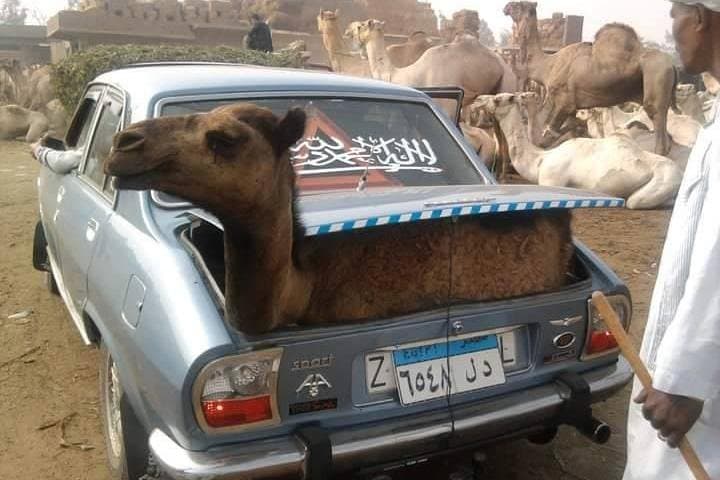
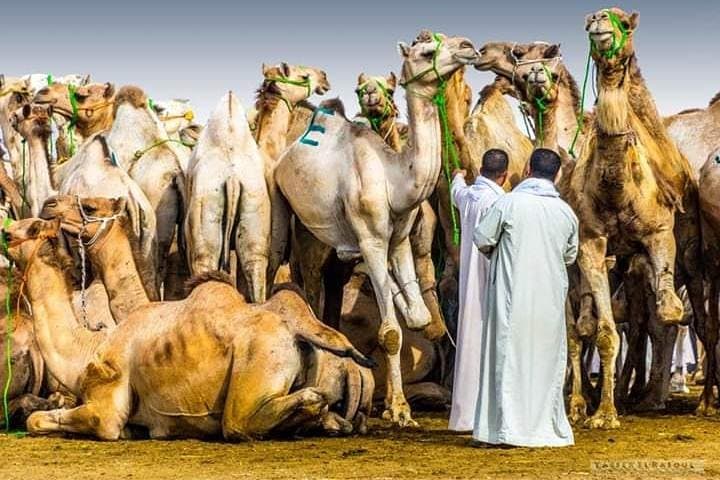
The morning light in Cairo hits the market first: dust lifts from packed earth, camels shift their weight and merchants call names as the city wakes. A private guide leads visitors through the Cairo Camel Market’s lanes where traders inspect teeth and tack, then the drive west opens onto the desert where the Giza plateau rises like a geological ledge against the city.
Verified experiences and guided adventures in the surrounding area.
Operated by Pretty Egypt Tours · Giza, Giza Governorate
The morning light in Cairo hits the market first: dust lifts from packed earth, camels shift their weight and merchants call names as the city wakes. A private guide leads visitors through the Cairo Camel Market’s lanes where traders inspect teeth and tack, then the drive west opens onto the desert where the Giza plateau rises like a geological ledge against the city.
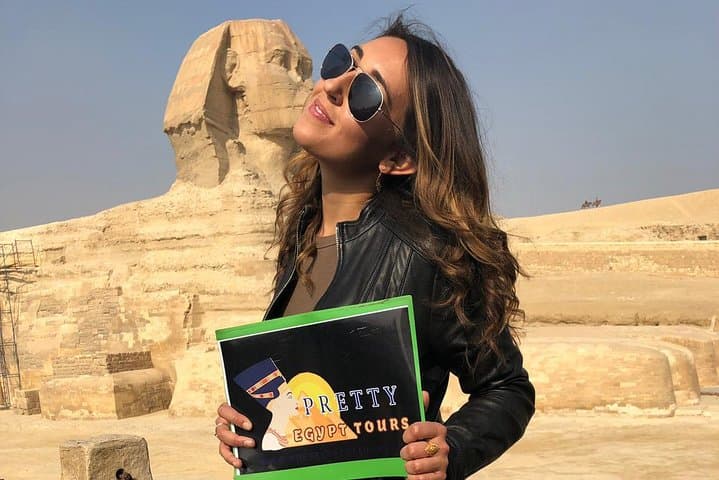
The plateau holds pyramids built in the late 3rd millennium BCE — Khufu (Cheops), Khafre (Chephren) and Menkaure — monuments of limestone blocks and ancient engineering. Nearby, the Great Sphinx and associated mortuary temples anchor funerary landscapes that informed millennia of Egyptian culture. The camel market itself is a working hub: bargaining practices, animal husbandry techniques and seasonal auctions reflect rural traditions still linked to urban Cairo.
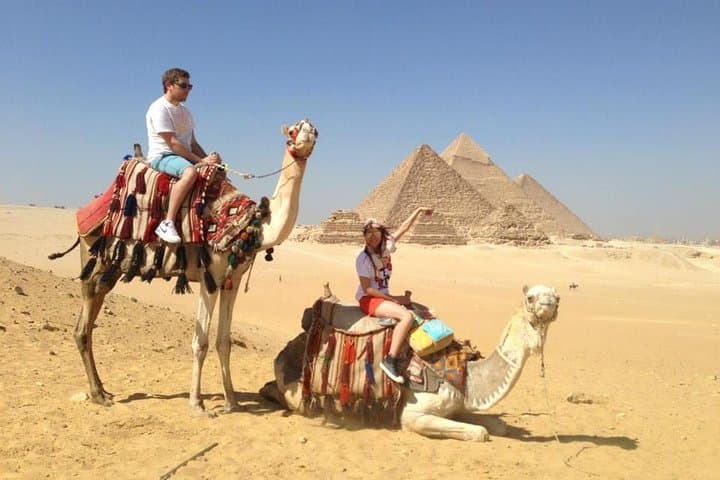
On the tour, expect a private pick-up in an air-conditioned vehicle around 7:00 a.m., a guided walk through the market, time observing auctions and camel selection, then entrance to the Giza complex. A short camel ride around the pyramids offers a striking vantage — the desert wind dares you forward as the stones loom. The itinerary typically includes bottled water, a qualified Egyptologist guide, entrance fees and a lunch before hotel drop-off.
Practical notes: wear closed-toe shoes for sand and uneven surfaces, carry sun protection and local cash for small purchases and tips, and confirm mobility needs in advance — many operators accommodate wheelchairs but surfaces at the plateau remain uneven. Morning schedules minimize heat and crowds; photographers will find the light crisp and the angles dramatic.
easy.
5–6 hours.
Suitable for most fitness levels; involves short walks on uneven, sandy surfaces and a brief camel ride.
Yes — operators include short, guided rides suitable for first-timers; follow the handler’s safety instructions and disclose any mobility or health concerns before mounting.
This private tour typically includes sightseeing entrance fees; confirm at booking for any optional extras like pyramid interior access or camel photo fees.
Many providers offer wheelchair-accessible vehicles and assistance, but surfaces on the plateau and market remain uneven—notify the operator in advance to plan logistics.
Bring small change for purchases, a camera, modest clothing for conservative areas, and patience—market bargaining and animal inspection are active, noisy exchanges.
The Giza pyramids date to Egypt’s Old Kingdom (roughly 2600–2500 BCE) and formed part of complex funerary landscapes including mortuary temples and causeways tied to pharaonic ritual.
High visitor numbers and desert erosion put pressure on the plateau; stick to marked paths, avoid climbing pyramid faces and support guides who follow responsible tourism practices.
Pretty Egypt Tours operates guided outdoor trips and adventures with an emphasis on safety, stewardship, and memorable experiences.
The morning light in Cairo hits the market first: dust lifts from packed earth, camels shift their weight and merchants call names as the city wakes. A private guide leads visitors through the Cairo Camel Market’s lanes where traders inspect teeth and tack, then the drive west opens onto the desert where the Giza plateau rises like a geological ledge against the city.
The morning light in Cairo hits the market first: dust lifts from packed earth, camels shift their weight and merchants call names as the city wakes. A private guide leads visitors through the Cairo Camel Market’s lanes where traders inspect teeth and tack, then the drive west opens onto the desert where the Giza plateau rises like a geological ledge against the city.
The plateau holds pyramids built in the late 3rd millennium BCE — Khufu (Cheops), Khafre (Chephren) and Menkaure — monuments of limestone blocks and ancient engineering. Nearby, the Great Sphinx and associated mortuary temples anchor funerary landscapes that informed millennia of Egyptian culture. The camel market itself is a working hub: bargaining practices, animal husbandry techniques and seasonal auctions reflect rural traditions still linked to urban Cairo.
On the tour, expect a private pick-up in an air-conditioned vehicle around 7:00 a.m., a guided walk through the market, time observing auctions and camel selection, then entrance to the Giza complex. A short camel ride around the pyramids offers a striking vantage — the desert wind dares you forward as the stones loom. The itinerary typically includes bottled water, a qualified Egyptologist guide, entrance fees and a lunch before hotel drop-off.
Practical notes: wear closed-toe shoes for sand and uneven surfaces, carry sun protection and local cash for small purchases and tips, and confirm mobility needs in advance — many operators accommodate wheelchairs but surfaces at the plateau remain uneven. Morning schedules minimize heat and crowds; photographers will find the light crisp and the angles dramatic.