THE ADVENTURE COLLECTIVE® · Independent discovery and booking for outdoor travel

Ride a morning camel caravan through Al Marmoom Desert Reserve, witness live Arabic coffee rituals, don traditional Emirati dress, and enjoy a Bedouin breakfast at an authentic village—an accessible cultural outing just outside Dubai.
Ride a morning camel caravan through Al Marmoom Desert Reserve, witness live Arabic coffee rituals, don traditional Emirati dress, and enjoy a Bedouin breakfast at an authentic village—an accessible cultural outing just outside Dubai.
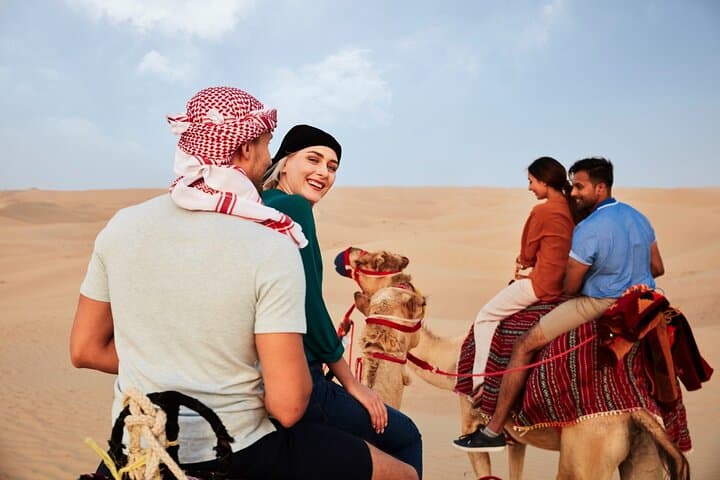
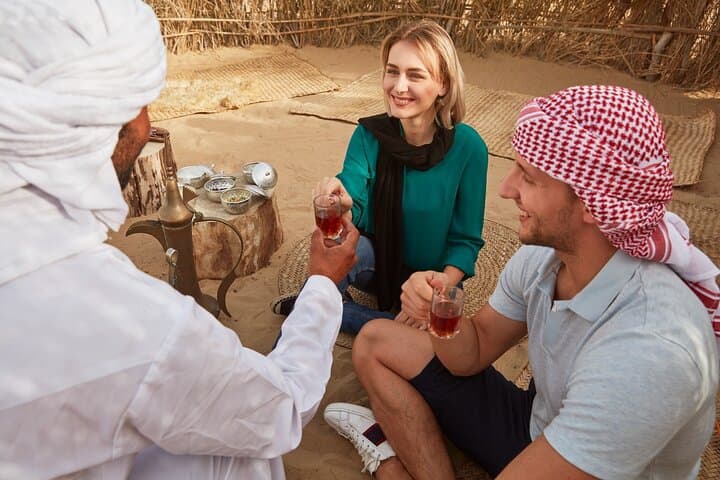
Before the sun fully warms the sand, the Al Marmoom dunes open like a wide, breathing landscape—ripples of ochre and gold that push and fold with the wind. Visitors gather at a restored Bedouin village where gahwa (Arabic coffee) and sweets mark the start of a slow morning: a short camel caravan arcs across low dunes, the animals steady and sure, carrying riders past sparse desert flora and the occasional wading bird at the oasis.
Verified experiences and guided adventures in the surrounding area.
Operated by OceanAir Travels · Dubai, Dubai
Before the sun fully warms the sand, the Al Marmoom dunes open like a wide, breathing landscape—ripples of ochre and gold that push and fold with the wind. Visitors gather at a restored Bedouin village where gahwa (Arabic coffee) and sweets mark the start of a slow morning: a short camel caravan arcs across low dunes, the animals steady and sure, carrying riders past sparse desert flora and the occasional wading bird at the oasis.
Al Marmoom is the UAE’s first unfenced conservation reserve, carved into the desert where ancient caravan routes met seasonal wetlands. Geologically, the area is a plain of wind‑sculpted sand atop older alluvial deposits; culturally, it preserves Bedouin crafts, falconry, and traditional cooking that shaped Emirati life for centuries.
Expect a blend of quiet observation and hands‑on moments: dressing in an abaya or kandura, posing with a falcon, watching live Arabic coffee preparation, and sampling a simple Bedouin breakfast beneath canvas. The camel ride itself is short (10–12 minutes per loop) but evocative—each sway framing a different angle of the reserve and the nearby oasis.
Practical guidance: go early to avoid heat, wear closed shoes for walkways and stable footing on sandy paths, and bring ample water and sun protection. Camera batteries and a small microfiber towel are useful; valuables are best left at your hotel. Note medical restrictions for those with back, heart, or pregnancy concerns, and that children under 12 must be accompanied on camels. The whole experience, including transfers from Dubai, runs about five hours—long enough to leave the city behind and return with a grounded sense of desert life.
moderate.
4–5 hours.
Expect light walking, brief mounting/dismounting on camels and standing during demonstrations; a moderate fitness level is recommended.
Each camel loop lasts about 10–12 minutes; riders may have the option to repeat the loop depending on scheduling.
Children under 12 cannot ride alone and must be accompanied by an adult; very young children may be excluded from riding for safety.
Yes—pick-up and drop-off in an air-conditioned vehicle from Dubai hotels is typically included and is part of the total tour time.
This activity is not recommended for those with back, heart, or serious medical conditions, and pregnant travelers are advised not to participate in camel rides.
Al Marmoom sits along old desert routes and has been a seasonal resource for Bedouin communities; recent conservation efforts established the area as the UAE’s first unfenced reserve.
The reserve balances tourism with habitat protection—stay on designated paths, avoid feeding wildlife, and follow guides’ instructions to minimize impact.
OceanAir Travels operates guided outdoor trips and adventures with an emphasis on safety, stewardship, and memorable experiences.


Before the sun fully warms the sand, the Al Marmoom dunes open like a wide, breathing landscape—ripples of ochre and gold that push and fold with the wind. Visitors gather at a restored Bedouin village where gahwa (Arabic coffee) and sweets mark the start of a slow morning: a short camel caravan arcs across low dunes, the animals steady and sure, carrying riders past sparse desert flora and the occasional wading bird at the oasis.
Before the sun fully warms the sand, the Al Marmoom dunes open like a wide, breathing landscape—ripples of ochre and gold that push and fold with the wind. Visitors gather at a restored Bedouin village where gahwa (Arabic coffee) and sweets mark the start of a slow morning: a short camel caravan arcs across low dunes, the animals steady and sure, carrying riders past sparse desert flora and the occasional wading bird at the oasis.
Al Marmoom is the UAE’s first unfenced conservation reserve, carved into the desert where ancient caravan routes met seasonal wetlands. Geologically, the area is a plain of wind‑sculpted sand atop older alluvial deposits; culturally, it preserves Bedouin crafts, falconry, and traditional cooking that shaped Emirati life for centuries.
Expect a blend of quiet observation and hands‑on moments: dressing in an abaya or kandura, posing with a falcon, watching live Arabic coffee preparation, and sampling a simple Bedouin breakfast beneath canvas. The camel ride itself is short (10–12 minutes per loop) but evocative—each sway framing a different angle of the reserve and the nearby oasis.
Practical guidance: go early to avoid heat, wear closed shoes for walkways and stable footing on sandy paths, and bring ample water and sun protection. Camera batteries and a small microfiber towel are useful; valuables are best left at your hotel. Note medical restrictions for those with back, heart, or pregnancy concerns, and that children under 12 must be accompanied on camels. The whole experience, including transfers from Dubai, runs about five hours—long enough to leave the city behind and return with a grounded sense of desert life.