THE ADVENTURE COLLECTIVE® · Independent discovery and booking for outdoor travel

Watch migratory and resident waterbirds where coast, mangrove and freshwater tanks meet. This two-hour morning walk through Anawilundawa’s Ramsar wetland pairs close-up birding with practical guidance on reading the landscape.
Watch migratory and resident waterbirds where coast, mangrove and freshwater tanks meet. This two-hour morning walk through Anawilundawa’s Ramsar wetland pairs close-up birding with practical guidance on reading the landscape.
You step off a quiet coastal road as dawn pulls light across shallow tanks; reeds stir and a distant railway whistles between Chilaw and Puttalam. The air smells of wet earth and salt, and the sanctuary wakes in layers—waders probing the mud, kingfishers flashing on the mangrove edges, and a guide cupping binoculars like a map to the sky.
Verified experiences and guided adventures in the surrounding area.
Operated by Lakpura LLC · Chilaw, North Western Province
You step off a quiet coastal road as dawn pulls light across shallow tanks; reeds stir and a distant railway whistles between Chilaw and Puttalam. The air smells of wet earth and salt, and the sanctuary wakes in layers—waders probing the mud, kingfishers flashing on the mangrove edges, and a guide cupping binoculars like a map to the sky.
Anawilundawa is one of Sri Lanka’s Ramsar wetlands, where coastal fringe, mangrove, and freshwater tank habitats meet in a compact mosaic. Geologically the area is low-lying lagoonal plain shaped by wind-driven sediment and tidal exchange; culturally, nearby villages have long combined small-scale fishing and rice cultivation with seasonal bird use. That overlap is why conservation matters here—migrants and resident breeders rely on the mix of shallow water and scrub.
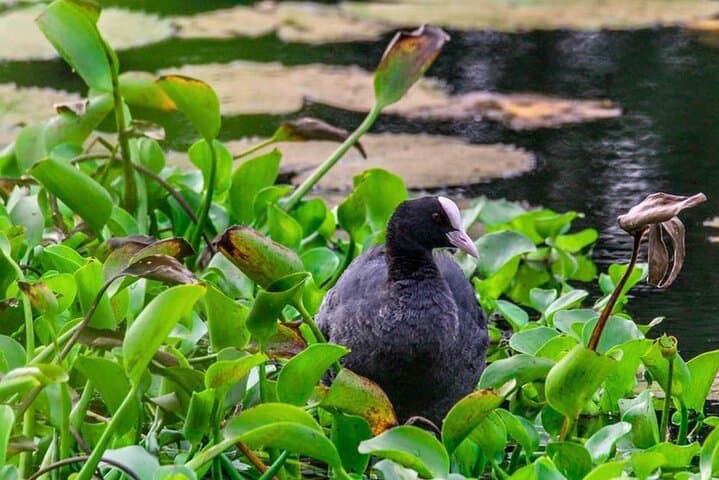
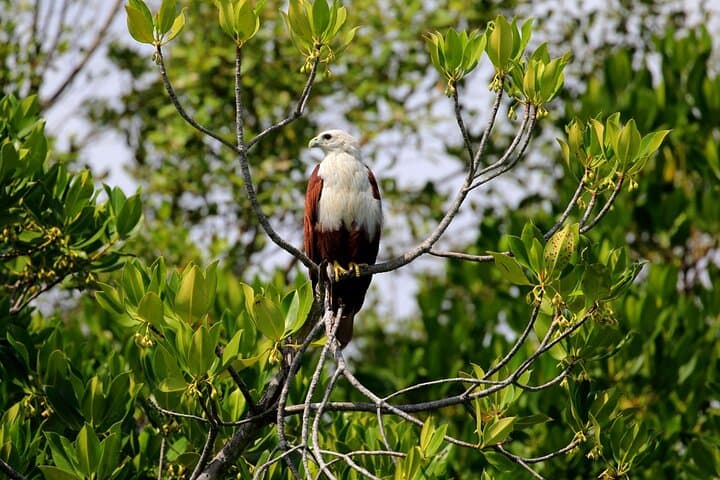
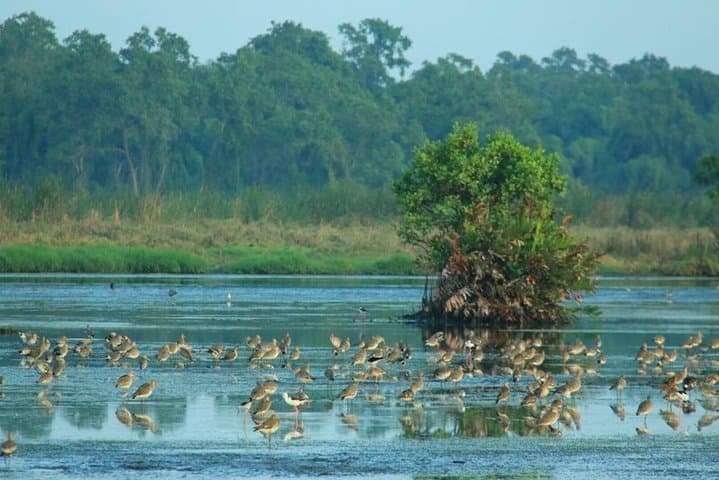
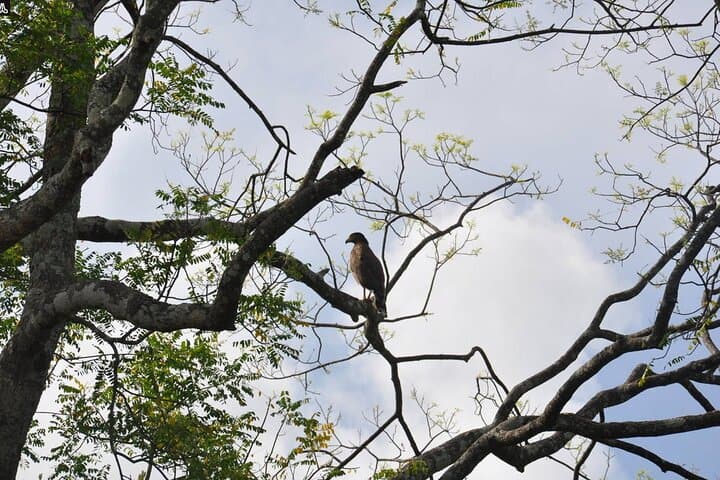
On a two-hour walk you’ll move between tracks, raised bunds and short boardwalks. Expect long lens-friendly views of spot-billed pelicans, black-headed ibises and waders, with dragonflies and monitor lizards completing the scene—nature that challenges you as much as it rewards. Guides point out identification and behavior while advising on low-impact viewing.
Practical notes: start early (6:30 am) to catch peak activity; wear breathable layers and sturdy shoes for muddy ground; carry water, sun protection and insect repellent. Respect local practices—keep distance from nests and follow your guide’s route to avoid trampling reed beds. With basic preparation, the sanctuary offers an efficient, immersive birding experience that feels remote without being difficult to reach.
moderate.
2 hours.
Moderate: able to walk uneven, sometimes muddy trails for two hours with short standing periods
The activity is approximately two hours, typically starting at first light to maximize bird activity.
Yes—guides provide identification help and the terrain is straightforward, though reasonable mobility is required.
Yes—during the northern winter months (roughly November–March) migrant waterbirds increase in number and visibility.
Entrance to the sanctuary is included in the booking, and transport from the meeting point is typically provided.
Anawilundawa is designated as a Ramsar wetland due to its unique convergence of coastal, mangrove and freshwater tank habitats and its importance to both resident and migratory birds.
The sanctuary is vulnerable to mangrove clearance and hydrological change; low-impact visitor behavior and local conservation efforts help maintain crucial feeding and nesting areas.
Lakpura LLC operates guided outdoor trips and adventures with an emphasis on safety, stewardship, and memorable experiences.
You step off a quiet coastal road as dawn pulls light across shallow tanks; reeds stir and a distant railway whistles between Chilaw and Puttalam. The air smells of wet earth and salt, and the sanctuary wakes in layers—waders probing the mud, kingfishers flashing on the mangrove edges, and a guide cupping binoculars like a map to the sky.
You step off a quiet coastal road as dawn pulls light across shallow tanks; reeds stir and a distant railway whistles between Chilaw and Puttalam. The air smells of wet earth and salt, and the sanctuary wakes in layers—waders probing the mud, kingfishers flashing on the mangrove edges, and a guide cupping binoculars like a map to the sky.
Anawilundawa is one of Sri Lanka’s Ramsar wetlands, where coastal fringe, mangrove, and freshwater tank habitats meet in a compact mosaic. Geologically the area is low-lying lagoonal plain shaped by wind-driven sediment and tidal exchange; culturally, nearby villages have long combined small-scale fishing and rice cultivation with seasonal bird use. That overlap is why conservation matters here—migrants and resident breeders rely on the mix of shallow water and scrub.
On a two-hour walk you’ll move between tracks, raised bunds and short boardwalks. Expect long lens-friendly views of spot-billed pelicans, black-headed ibises and waders, with dragonflies and monitor lizards completing the scene—nature that challenges you as much as it rewards. Guides point out identification and behavior while advising on low-impact viewing.
Practical notes: start early (6:30 am) to catch peak activity; wear breathable layers and sturdy shoes for muddy ground; carry water, sun protection and insect repellent. Respect local practices—keep distance from nests and follow your guide’s route to avoid trampling reed beds. With basic preparation, the sanctuary offers an efficient, immersive birding experience that feels remote without being difficult to reach.