THE ADVENTURE COLLECTIVE® · Independent discovery and booking for outdoor travel

Set out at dawn on a guided birdwatching tour from the Brazilian side of Iguaçu. Expect hummingbird feeders, mixed flocks, and a patient local guide who tailors the morning to your interests.
Set out at dawn on a guided birdwatching tour from the Brazilian side of Iguaçu. Expect hummingbird feeders, mixed flocks, and a patient local guide who tailors the morning to your interests.
Before dawn the forest breathes in low, moist exhales; a chorus of churrs and thin whistles threads through the boardwalks that run toward the falls. On a guided morning birdwatching tour from the Brazilian side, the canopy becomes a theater — tanagers flash like thrown paint, toucans call from shadowed limbs, and hummingbirds flit at roadside feeders.
Verified experiences and guided adventures in the surrounding area.
Operated by Iguazufallstourguide · Foz do Iguaçu, Paraná
Before dawn the forest breathes in low, moist exhales; a chorus of churrs and thin whistles threads through the boardwalks that run toward the falls. On a guided morning birdwatching tour from the Brazilian side, the canopy becomes a theater — tanagers flash like thrown paint, toucans call from shadowed limbs, and hummingbirds flit at roadside feeders.
Iguaçu’s landscape is a product of basalt flows and riverine incision: a volcanic plateau cut by the Iguazu River into a jagged network of falls and rapids. The park on the Brazilian side, created in the early 20th century and part of the larger transnational reserve, sits on land long inhabited by Guarani communities and later protected for its biodiversity. Local guides translate the forest’s signals — which species calls when the sun hits a particular ridge, where mixed flocks gather after rain.
Expect a tailored, small-group experience that prioritizes quiet movement and sharp listening. Trails are mostly flat boardwalks and forest paths with occasional steps; durations run four to six hours and include options to enter the national park and stop at hummingbird feeders. Guides carry experience, optics, and the patience to help photographers, recordists, and beginners.
Practical notes: start early for the best activity, bring good binoculars and insect protection, wear quiet, grippy shoes, and plan for humid, changeable conditions. Private transport is typically provided; confirm whether park entrance fees or a waterfall visit are included. With a little preparation, a morning here becomes a concentrated lesson in Atlantic Forest birdlife and the geology that shapes it.
easy.
4–6 hours.
Comfortable walking ability for a few hours on mostly level boardwalks and forest trails; minimal elevation change.
Many morning birding options include park entry on the Brazilian side and may add a short visit to viewpoints at the falls if previously arranged—confirm at booking.
The tour is rated easy and suitable for most fitness levels; expect several hours of walking on mostly level trails and boardwalks.
Yes—guides are experienced with photographers and recordists and will tailor pace and stops to capture sightings and sounds.
Private transportation is typically included; some itineraries offer a small breakfast on request—verify inclusions when booking.
The Brazilian national park was established in the 20th century to protect a stretch of the Paraná Plateau and the dramatic falls carved by the Iguazu River; the area has long been territory of Guarani peoples.
The Atlantic Forest is highly fragmented; low-impact birding and sticking to trails help minimize disturbance. Support local guides who contribute to conservation and community income.
Iguazufallstourguide operates guided outdoor trips and adventures with an emphasis on safety, stewardship, and memorable experiences.
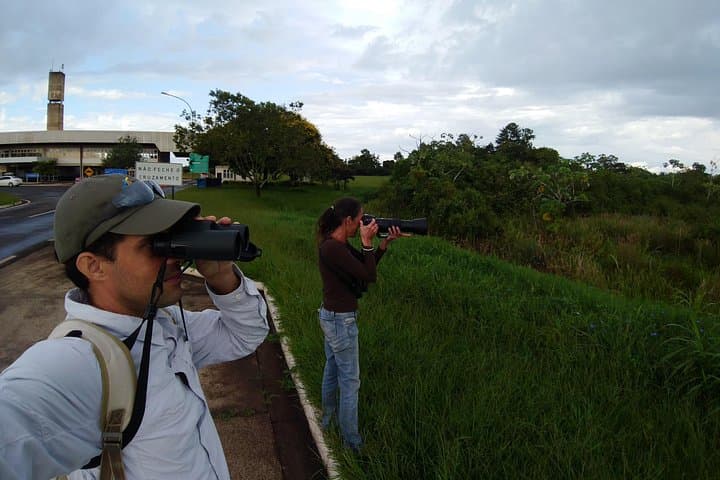
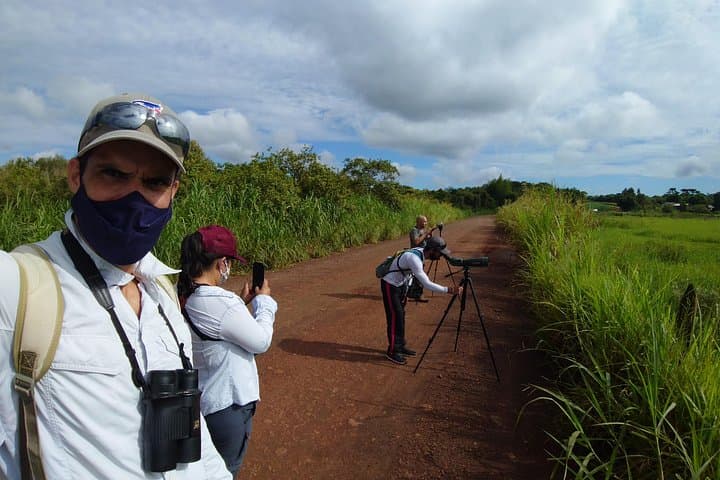
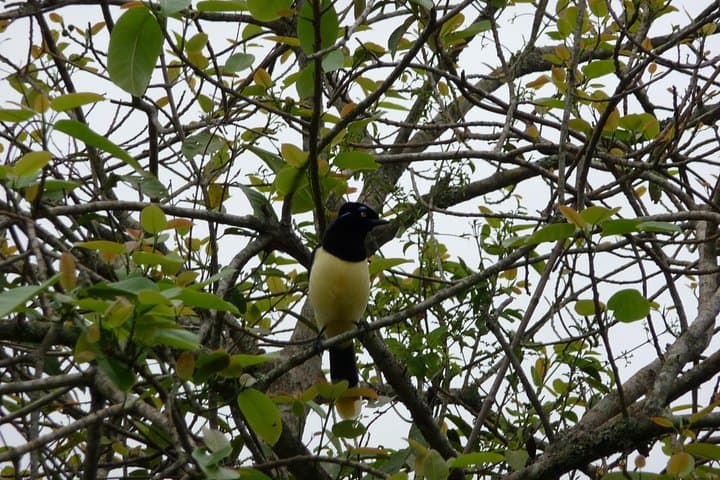
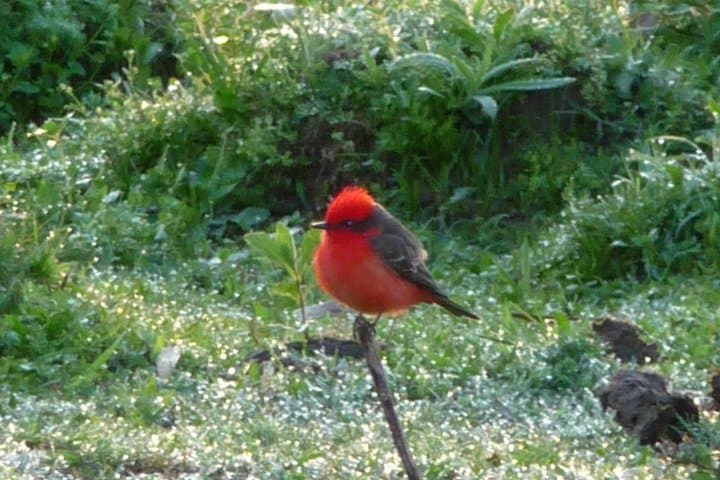
Before dawn the forest breathes in low, moist exhales; a chorus of churrs and thin whistles threads through the boardwalks that run toward the falls. On a guided morning birdwatching tour from the Brazilian side, the canopy becomes a theater — tanagers flash like thrown paint, toucans call from shadowed limbs, and hummingbirds flit at roadside feeders.
Before dawn the forest breathes in low, moist exhales; a chorus of churrs and thin whistles threads through the boardwalks that run toward the falls. On a guided morning birdwatching tour from the Brazilian side, the canopy becomes a theater — tanagers flash like thrown paint, toucans call from shadowed limbs, and hummingbirds flit at roadside feeders.
Iguaçu’s landscape is a product of basalt flows and riverine incision: a volcanic plateau cut by the Iguazu River into a jagged network of falls and rapids. The park on the Brazilian side, created in the early 20th century and part of the larger transnational reserve, sits on land long inhabited by Guarani communities and later protected for its biodiversity. Local guides translate the forest’s signals — which species calls when the sun hits a particular ridge, where mixed flocks gather after rain.
Expect a tailored, small-group experience that prioritizes quiet movement and sharp listening. Trails are mostly flat boardwalks and forest paths with occasional steps; durations run four to six hours and include options to enter the national park and stop at hummingbird feeders. Guides carry experience, optics, and the patience to help photographers, recordists, and beginners.
Practical notes: start early for the best activity, bring good binoculars and insect protection, wear quiet, grippy shoes, and plan for humid, changeable conditions. Private transport is typically provided; confirm whether park entrance fees or a waterfall visit are included. With a little preparation, a morning here becomes a concentrated lesson in Atlantic Forest birdlife and the geology that shapes it.