THE ADVENTURE COLLECTIVE® · Independent discovery and booking for outdoor travel

Explore Inca ingenuity and hand-harvested salt on a six-hour Sacred Valley circuit from Cusco. Short walks at high altitude expose dramatic terraces and thousands of sparkling salt pans—perfect for photographers and culture seekers.
Explore Inca ingenuity and hand-harvested salt on a six-hour Sacred Valley circuit from Cusco. Short walks at high altitude expose dramatic terraces and thousands of sparkling salt pans—perfect for photographers and culture seekers.
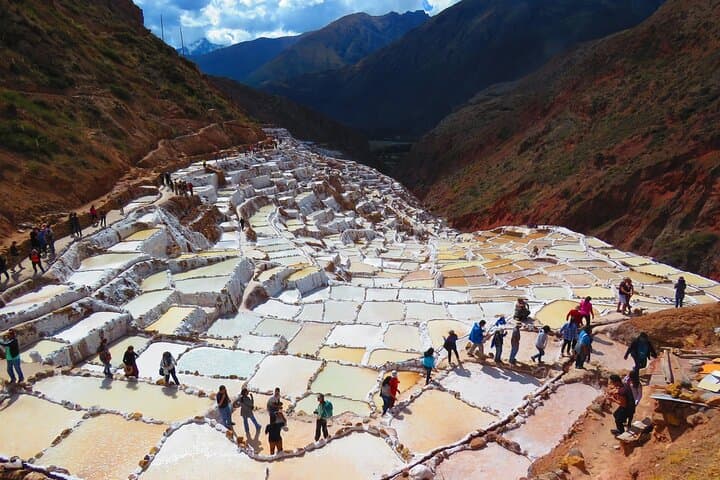
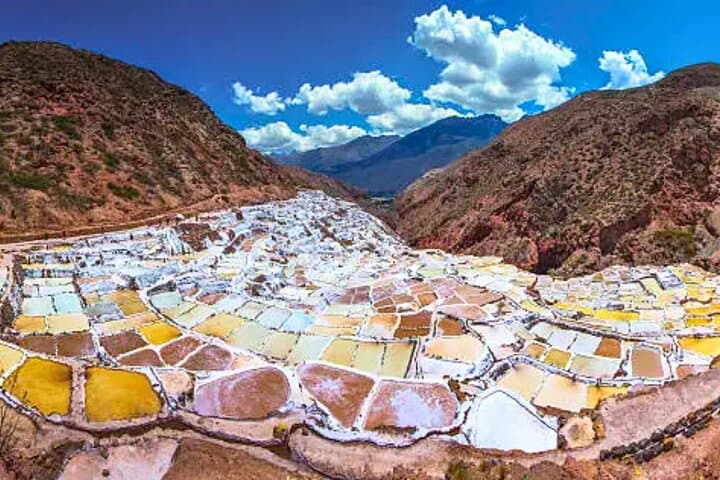
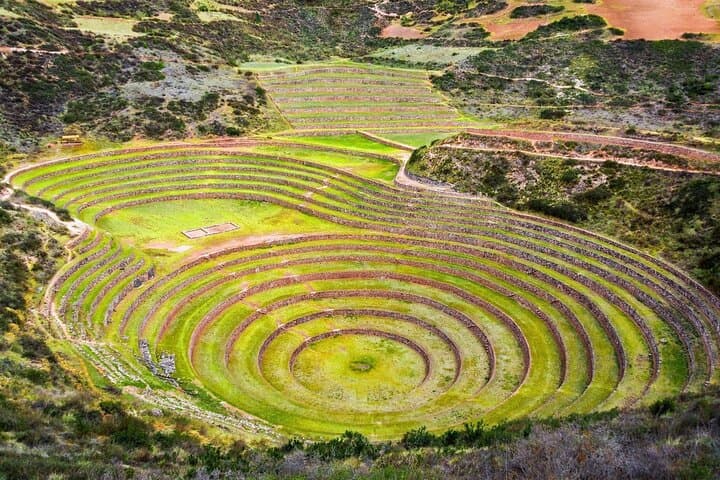
You step out of the van into wind that seems to rearrange the valley—thin, sharp air that makes every color more immediate. Before you are concentric bowls cut into the earth like an amphitheater: the Moray terraces, an Inca agricultural lab where microclimates were engineered by stone, water, and slope. Nearby, the salt pans of Maras glitter like a field of small mirrors, each shallow pool catching a different slice of sky.
Verified experiences and guided adventures in the surrounding area.
Operated by Geo Adventures Peru · Maras, Cusco
You step out of the van into wind that seems to rearrange the valley—thin, sharp air that makes every color more immediate. Before you are concentric bowls cut into the earth like an amphitheater: the Moray terraces, an Inca agricultural lab where microclimates were engineered by stone, water, and slope. Nearby, the salt pans of Maras glitter like a field of small mirrors, each shallow pool catching a different slice of sky.
The story here is practical genius. Moray’s circular depressions span several hundred meters across and drop more than 30 meters from rim to floor, creating stacked temperature bands that let ancient farmers trial crops at simulated altitudes. The Salineras at Maras—over 3,000 active evaporation pools—trace back to pre-Columbian irrigation techniques and remain a family-run industry.
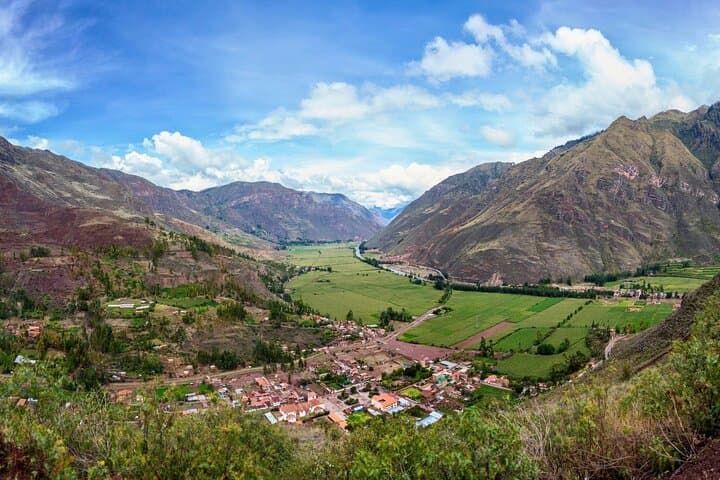
Geology and culture meet in salt, shale and stepped terraces; the valley’s uplifted limestone and alluvial fans direct water into channels that feed these human-made systems. Walking routes are short but uneven: compacted dirt, stone steps and exposed rock at roughly 3,300–3,700 meters elevation, so the landscape asks you to move deliberately.
Practicalities: conserve energy and hydrate before and during the day, wear sturdy shoes and layered clothing for rapid temperature swings, and bring cash for local stalls. The tour runs about six hours round-trip from Cusco with bilingual guidance and hotel pickup, making it an accessible cultural hike that rewards attention to altitude and good timing for light and photos.
moderate.
6 hours.
Light-to-moderate fitness; must manage short walks at high altitude and some stone steps—best if you can walk 2–4 miles on uneven ground.
The shared tour runs about six hours from Cusco and typically includes hotel pickup, bilingual guide, transportation, and drop-off in Cusco; admissions may vary—check your booking.
Yes—paths are short and the tour is classified as suitable for all fitness levels, but age-related mobility issues or altitude sensitivity should be considered.
Bring small denominations in Peruvian soles for entrance fees where not included, snacks, and souvenirs—cards may not be accepted at small stalls.
Sites sit around 3,300–3,700 meters; mild altitude symptoms are common—take it slow, stay hydrated, avoid heavy meals beforehand, and consult a physician if you have cardio-respiratory concerns.
Moray’s concentric platforms were likely Inca agricultural test sites to simulate multiple altitude climates; Maras salt pans have been harvested since pre-Columbian times and remain family-operated.
These sites are fragile—stay on marked paths, avoid removing salt or rocks, and support local economies by buying directly from community vendors.
Geo Adventures Peru operates guided outdoor trips and adventures with an emphasis on safety, stewardship, and memorable experiences.
You step out of the van into wind that seems to rearrange the valley—thin, sharp air that makes every color more immediate. Before you are concentric bowls cut into the earth like an amphitheater: the Moray terraces, an Inca agricultural lab where microclimates were engineered by stone, water, and slope. Nearby, the salt pans of Maras glitter like a field of small mirrors, each shallow pool catching a different slice of sky.
You step out of the van into wind that seems to rearrange the valley—thin, sharp air that makes every color more immediate. Before you are concentric bowls cut into the earth like an amphitheater: the Moray terraces, an Inca agricultural lab where microclimates were engineered by stone, water, and slope. Nearby, the salt pans of Maras glitter like a field of small mirrors, each shallow pool catching a different slice of sky.
The story here is practical genius. Moray’s circular depressions span several hundred meters across and drop more than 30 meters from rim to floor, creating stacked temperature bands that let ancient farmers trial crops at simulated altitudes. The Salineras at Maras—over 3,000 active evaporation pools—trace back to pre-Columbian irrigation techniques and remain a family-run industry.
Geology and culture meet in salt, shale and stepped terraces; the valley’s uplifted limestone and alluvial fans direct water into channels that feed these human-made systems. Walking routes are short but uneven: compacted dirt, stone steps and exposed rock at roughly 3,300–3,700 meters elevation, so the landscape asks you to move deliberately.
Practicalities: conserve energy and hydrate before and during the day, wear sturdy shoes and layered clothing for rapid temperature swings, and bring cash for local stalls. The tour runs about six hours round-trip from Cusco with bilingual guidance and hotel pickup, making it an accessible cultural hike that rewards attention to altitude and good timing for light and photos.