THE ADVENTURE COLLECTIVE® · Independent discovery and booking for outdoor travel

Experience Moray’s concentric agricultural terraces and the glittering salt pans of Maras before a Vistadome train to Aguas Calientes and an early guided visit to Machu Picchu. This two-day tour pairs archaeological insight with dramatic Andean scenery and practical logistics.
Experience Moray’s concentric agricultural terraces and the glittering salt pans of Maras before a Vistadome train to Aguas Calientes and an early guided visit to Machu Picchu. This two-day tour pairs archaeological insight with dramatic Andean scenery and practical logistics.
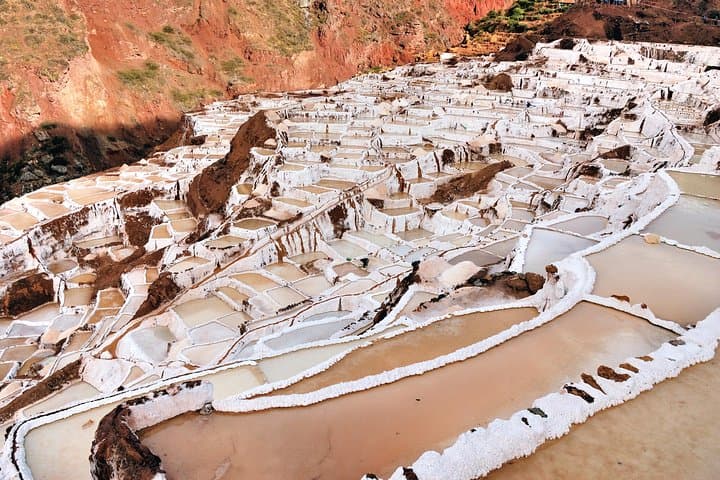
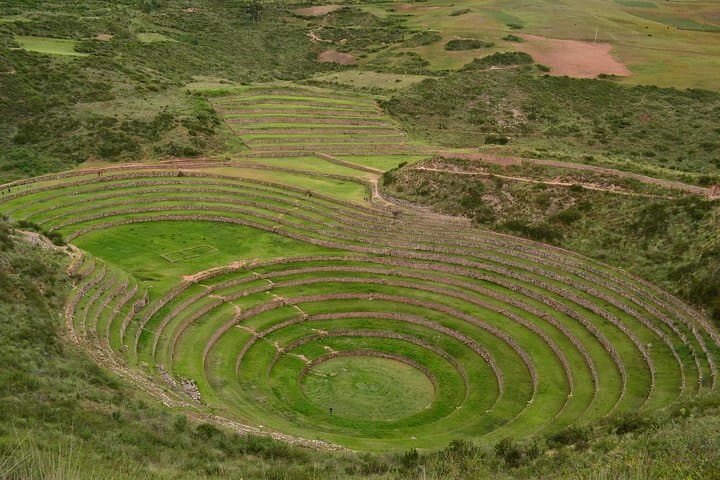
Dawn in Cusco feels taut with altitude—the city exhales cool, thin air as a polished Vistadome train slips along the Urubamba River and climbs toward the Sacred Valley. On day one the route threads terraces and switchbacks to Moray, a triple amphitheater of concentric agricultural bowls where the Incas tested microclimates, then drops to the honeycombed salt pans at Maras, their white squares glinting on the mountainside.
Verified experiences and guided adventures in the surrounding area.
Operated by Willka travel Cusco · Cusco, Cusco Region
Dawn in Cusco feels taut with altitude—the city exhales cool, thin air as a polished Vistadome train slips along the Urubamba River and climbs toward the Sacred Valley. On day one the route threads terraces and switchbacks to Moray, a triple amphitheater of concentric agricultural bowls where the Incas tested microclimates, then drops to the honeycombed salt pans at Maras, their white squares glinting on the mountainside.
Geology here is loud and visible: folded Andes rock uplifted by tectonics, rivers cutting deep valleys, and human hands reshaping slopes for centuries. Culture is equally present—Quechua-speaking vendors at roadside markets, colonial churches in stone towns, and food built from high‑altitude crops the Incas optimized on sites like Moray.
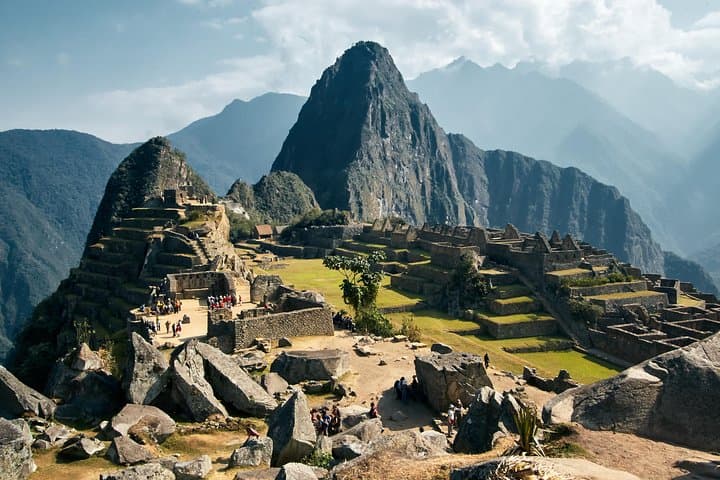
Practical guidance follows the romance: you’ll overnight in Aguas Calientes after a panoramic Vistadome train, wake very early to catch one of the first buses up to Machu Picchu, and expect a guided 2‑hour tour inside the citadel. High altitude and variable weather are constant factors—sun, drizzle and cold can come in hours—so plan layers, allow buffer time for in‑person ticket logistics, and keep water and altitude meds handy.
This itinerary blends accessible cultural archaeology with transit that’s part of the experience—the train views, the carved salt pans, the bowl‑like terraces—making it a compact, immersive way to see key Sacred Valley sites and the iconic ruins of Machu Picchu in two days.
moderate.
2 days.
Moderate fitness; tour involves short walks on uneven stone and stairs at altitude—basic stamina and steady footing required.
Yes—tickets and train seats are limited. Book online early for peak months; if sold out, your operator can advise on in‑person purchase windows in Aguas Calientes.
The tour involves cobbled and stepped surfaces at archaeological sites; it’s not fully accessible and requires stable footing for short hikes and stairs.
Cusco sits above 3,300 m; mild altitude symptoms are common. Acclimatize, hydrate, avoid alcohol, and consider medication like acetazolamide after consulting your doctor.
Guides recommend catching one of the earliest buses (starting around 5:30 am) to see the site in morning light and avoid crowds—wake early to reach the station first come, first served.
Moray’s concentric terraces acted as Inca agricultural labs to experiment with temperature and crop adaptation; Maras provided evaporated salt pans used since pre‑Hispanic times.
Sites are fragile—stay on designated paths, avoid touching walls or plants, and follow guide instructions to limit erosion and cultural impact.
Willka travel Cusco operates guided outdoor trips and adventures with an emphasis on safety, stewardship, and memorable experiences.
Dawn in Cusco feels taut with altitude—the city exhales cool, thin air as a polished Vistadome train slips along the Urubamba River and climbs toward the Sacred Valley. On day one the route threads terraces and switchbacks to Moray, a triple amphitheater of concentric agricultural bowls where the Incas tested microclimates, then drops to the honeycombed salt pans at Maras, their white squares glinting on the mountainside.
Dawn in Cusco feels taut with altitude—the city exhales cool, thin air as a polished Vistadome train slips along the Urubamba River and climbs toward the Sacred Valley. On day one the route threads terraces and switchbacks to Moray, a triple amphitheater of concentric agricultural bowls where the Incas tested microclimates, then drops to the honeycombed salt pans at Maras, their white squares glinting on the mountainside.
Geology here is loud and visible: folded Andes rock uplifted by tectonics, rivers cutting deep valleys, and human hands reshaping slopes for centuries. Culture is equally present—Quechua-speaking vendors at roadside markets, colonial churches in stone towns, and food built from high‑altitude crops the Incas optimized on sites like Moray.
Practical guidance follows the romance: you’ll overnight in Aguas Calientes after a panoramic Vistadome train, wake very early to catch one of the first buses up to Machu Picchu, and expect a guided 2‑hour tour inside the citadel. High altitude and variable weather are constant factors—sun, drizzle and cold can come in hours—so plan layers, allow buffer time for in‑person ticket logistics, and keep water and altitude meds handy.
This itinerary blends accessible cultural archaeology with transit that’s part of the experience—the train views, the carved salt pans, the bowl‑like terraces—making it a compact, immersive way to see key Sacred Valley sites and the iconic ruins of Machu Picchu in two days.