THE ADVENTURE COLLECTIVE® · Independent discovery and booking for outdoor travel

A private full‑day loop from Cusco through the Sacred Valley’s most striking sites: the terraced microclimates of Moray, the glittering salt pans of Maras, and the textile traditions of Chinchero. Expect high‑altitude walking, vivid vistas, and cultural encounters.
A private full‑day loop from Cusco through the Sacred Valley’s most striking sites: the terraced microclimates of Moray, the glittering salt pans of Maras, and the textile traditions of Chinchero. Expect high‑altitude walking, vivid vistas, and cultural encounters.
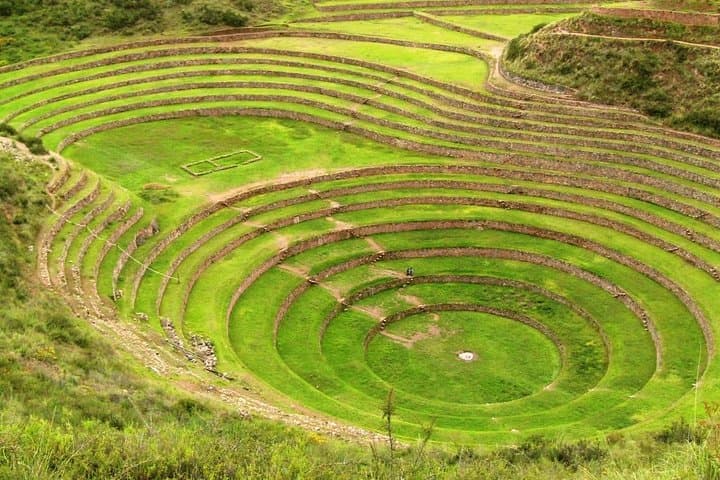
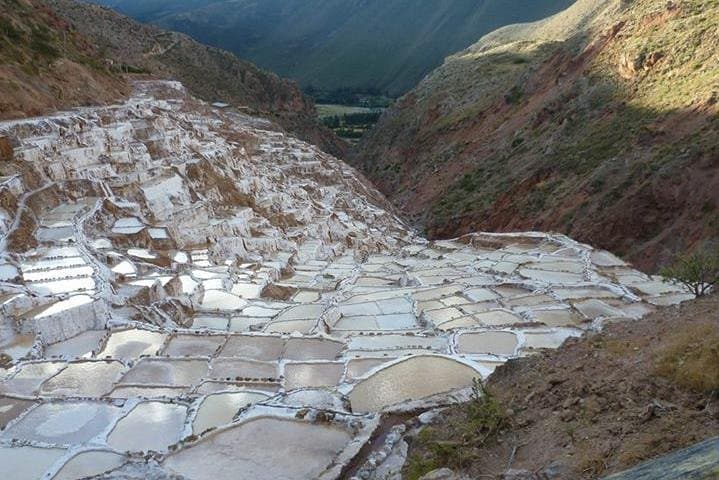
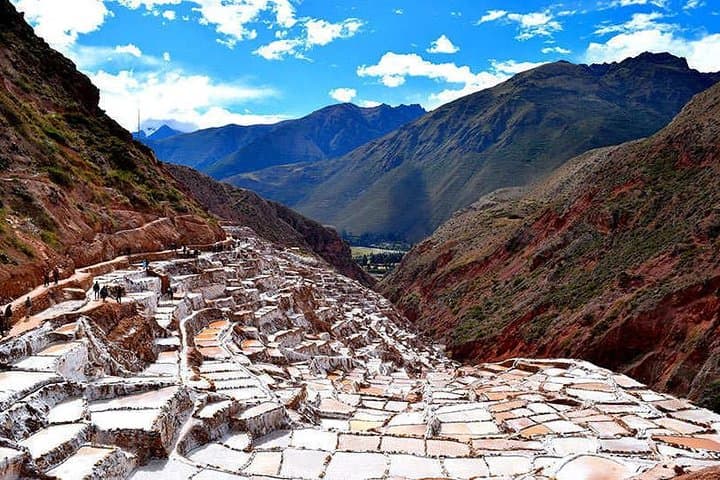
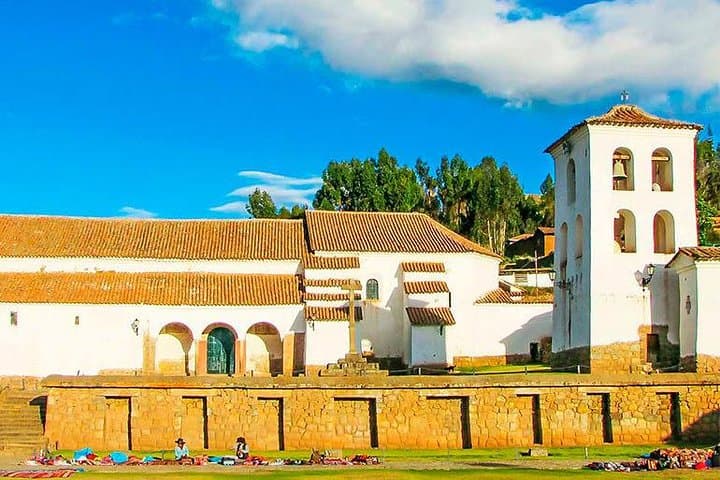
You leave Cusco before breakfast and the road opens like a map of the Andes — terraces, dry stone walls, and peaks folded into a palette of ochre and green. The morning light drops into a bowl of terraces at Moray, where concentric rings step down and the air feels cooler the deeper you descend. Later, the mountains seem to sweat salt: thousands of shallow pans glint white on the slopes of Maras. The final pause, Chinchero, is a plaza framed by Inca stonework and a colonial church whose murals keep a quieter history.
Verified experiences and guided adventures in the surrounding area.
Operated by Inkayni Peru Tours · Cusco, Cusco
You leave Cusco before breakfast and the road opens like a map of the Andes — terraces, dry stone walls, and peaks folded into a palette of ochre and green. The morning light drops into a bowl of terraces at Moray, where concentric rings step down and the air feels cooler the deeper you descend. Later, the mountains seem to sweat salt: thousands of shallow pans glint white on the slopes of Maras. The final pause, Chinchero, is a plaza framed by Inca stonework and a colonial church whose murals keep a quieter history.
Moray’s concentric amphitheater is agricultural engineering turned classroom; the Incas used the depth and orientation of each terrace to create distinct microclimates for crop trials. The Maras salineras ride a natural spring that feeds innumerable evaporation pools — a pre‑Inca system still managed by local families. Chinchero pairs Inca foundations with colonial architecture and living textile traditions: hand‑spun wool and natural dyes still shape patterns that tell lineage and landscape.
Practically, expect 7–8 hours on a private vehicle loop with short walks at each site; altitudes range 3,380–3,762 m (11,090–12,343 ft), so altitude awareness is primary. Bring sun protection, a wind/rain shell, and water; surfaces are uneven at archaeological sites and salt pans have no shade. Photography is rewarding in morning or late afternoon light; mid‑day is harsher and busier. Respect local harvest areas at Maras and ask permission before photographing artisans in Chinchero. The itinerary balances low‑impact cultural encounters with broad Andean vistas — an accessible day that asks only for sensible pacing and respect for high‑altitude conditions.
moderate.
7–8 hours.
Suitable for travelers in average fitness; the day involves short walks at altitude—expect breathlessness and plan slower pacing.
The private tour runs about 7–8 hours and typically starts with hotel pickup around 8:00 AM from Cusco.
This tour description lists admissions as not included—expect small entry fees; confirm with your operator whether museum or site tickets are covered.
There are uneven paths, steps, and irregular terrain at each site; the tour notes wheelchair‑accessible transportation but on‑site access may be limited—ask the operator about specific mobility needs.
Eat lightly, avoid excessive alcohol before the tour, sip water throughout the day, and consider coca tea if available—it's commonly used locally to ease altitude discomfort.
Moray and the Maras salineras illustrate pre‑Inca and Inca ingenuity: engineered microclimates and communal salt production sustained highland agriculture and trade for centuries.
The salt ponds and terraces are fragile cultural landscapes managed by local communities; stick to paths, don’t remove salt or artifacts, and favor locally run workshops to support stewardship.
Inkayni Peru Tours operates guided outdoor trips and adventures with an emphasis on safety, stewardship, and memorable experiences.
You leave Cusco before breakfast and the road opens like a map of the Andes — terraces, dry stone walls, and peaks folded into a palette of ochre and green. The morning light drops into a bowl of terraces at Moray, where concentric rings step down and the air feels cooler the deeper you descend. Later, the mountains seem to sweat salt: thousands of shallow pans glint white on the slopes of Maras. The final pause, Chinchero, is a plaza framed by Inca stonework and a colonial church whose murals keep a quieter history.
You leave Cusco before breakfast and the road opens like a map of the Andes — terraces, dry stone walls, and peaks folded into a palette of ochre and green. The morning light drops into a bowl of terraces at Moray, where concentric rings step down and the air feels cooler the deeper you descend. Later, the mountains seem to sweat salt: thousands of shallow pans glint white on the slopes of Maras. The final pause, Chinchero, is a plaza framed by Inca stonework and a colonial church whose murals keep a quieter history.
Moray’s concentric amphitheater is agricultural engineering turned classroom; the Incas used the depth and orientation of each terrace to create distinct microclimates for crop trials. The Maras salineras ride a natural spring that feeds innumerable evaporation pools — a pre‑Inca system still managed by local families. Chinchero pairs Inca foundations with colonial architecture and living textile traditions: hand‑spun wool and natural dyes still shape patterns that tell lineage and landscape.
Practically, expect 7–8 hours on a private vehicle loop with short walks at each site; altitudes range 3,380–3,762 m (11,090–12,343 ft), so altitude awareness is primary. Bring sun protection, a wind/rain shell, and water; surfaces are uneven at archaeological sites and salt pans have no shade. Photography is rewarding in morning or late afternoon light; mid‑day is harsher and busier. Respect local harvest areas at Maras and ask permission before photographing artisans in Chinchero. The itinerary balances low‑impact cultural encounters with broad Andean vistas — an accessible day that asks only for sensible pacing and respect for high‑altitude conditions.