THE ADVENTURE COLLECTIVE® · Independent discovery and booking for outdoor travel

Explore Inca agricultural terraces at Moray and the ancient salt pans of Maras on a full-day tour from Cusco. Expect engineered microclimates, hand-harvested salt pools, and straightforward walking at high altitude.
Explore Inca agricultural terraces at Moray and the ancient salt pans of Maras on a full-day tour from Cusco. Expect engineered microclimates, hand-harvested salt pools, and straightforward walking at high altitude.
You step off the minibus into thin, high air and the first thing that grabs you is the scale: concentric rings cut into the earth like a giant amphitheater, terraces descending in precise steps.
Verified experiences and guided adventures in the surrounding area.
Operated by Peru Grand Travel · Maras, Cusco Region
You step off the minibus into thin, high air and the first thing that grabs you is the scale: concentric rings cut into the earth like a giant amphitheater, terraces descending in precise steps.
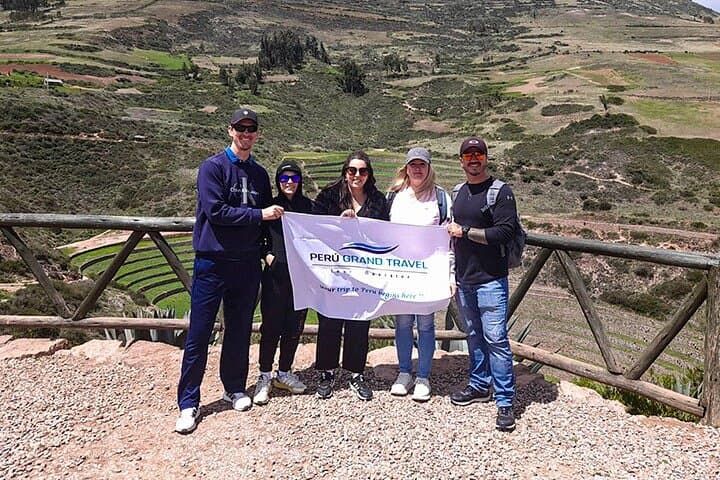
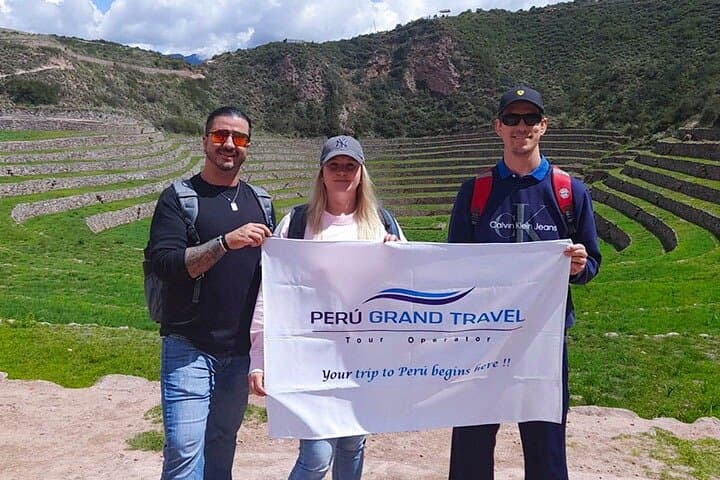
At Moray the terraces hush the wind and reveal an Inca experiment in miniature climates — each ring holds a different temperature, the soil different, the design deliberate. The stonework and irrigation channels speak of engineering decisions made to coax crops from stark Andean slopes. Travel a short distance and the land changes again: the town of Maras with its low colonial doorways, then the Salinas de Maras — thousands of shallow pans that shimmer like a honeycomb on the mountain.
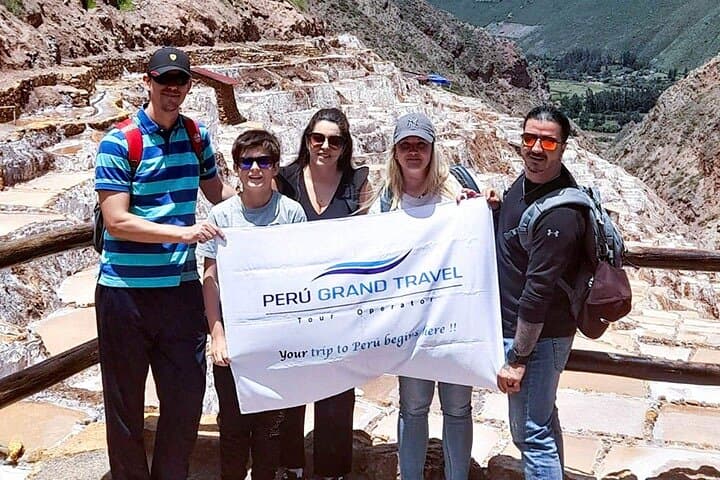
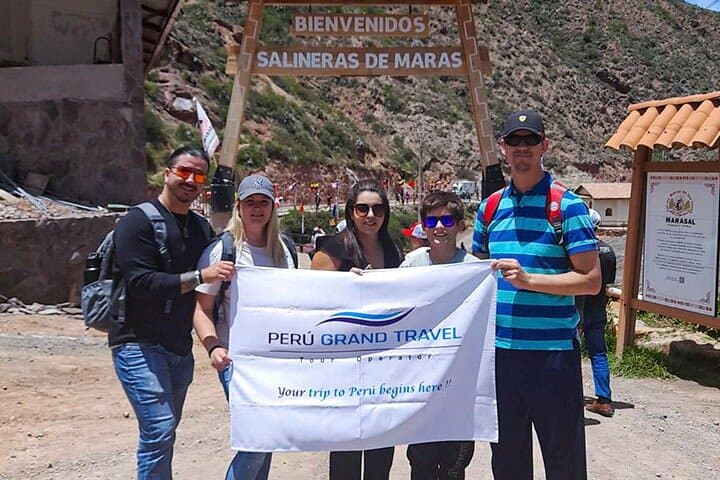
Salt here is still harvested by hand using techniques passed down through generations; families maintain parcels of pans, channeling briny water from a natural spring and letting the sun and air do the work. Geologically the valley sits on uplifted beds and faulted slopes; the salty spring that feeds Maras is a local quirk, pushed to the surface by tectonic forces.
Practical guidance: allow time to acclimatize in Cusco before this six-hour outing, bring cash for small purchases and tips, and wear sturdy shoes — surfaces at both sites range from packed dirt to uneven stone. Mornings offer clearer light at Moray; late afternoon brings warmer tones on the salt pans but can be windier. Respect working areas at the salinas and ask before photographing workers. This walkable, culturally rich day is short on technical demands but high on altitude and visual payoff.
moderate.
5–6 hours.
Suitable for travelers with basic fitness who can walk up to 2 miles on uneven ground and tolerate 3,500–3,800 m (11,500–12,500 ft) altitude.
This is a full-day tour of about six hours that typically departs from central Cusco with hotel pickup and returns to city hotels.
Some tours include entrance fees but confirm when booking; the itinerary notes admissions may not be included for all sites.
The tour is rated easy in physical demand but altitude can affect anyone; children and older adults should consult a physician and take precautions for altitude sickness.
Yes — small family vendors sell salts and woven goods; bring cash and ask permission before photographing people at work.
Moray’s concentric terraces likely functioned as an Inca agricultural laboratory exploiting microclimates; the Maras salineras predate modern industry and remain family-managed salt pans.
The salt pans and terraces are culturally sensitive landscapes—stay on designated paths, avoid disturbing active pans, and support local vendors to help preserve traditional practices.
Peru Grand Travel operates guided outdoor trips and adventures with an emphasis on safety, stewardship, and memorable experiences.
You step off the minibus into thin, high air and the first thing that grabs you is the scale: concentric rings cut into the earth like a giant amphitheater, terraces descending in precise steps.
You step off the minibus into thin, high air and the first thing that grabs you is the scale: concentric rings cut into the earth like a giant amphitheater, terraces descending in precise steps.
At Moray the terraces hush the wind and reveal an Inca experiment in miniature climates — each ring holds a different temperature, the soil different, the design deliberate. The stonework and irrigation channels speak of engineering decisions made to coax crops from stark Andean slopes. Travel a short distance and the land changes again: the town of Maras with its low colonial doorways, then the Salinas de Maras — thousands of shallow pans that shimmer like a honeycomb on the mountain.
Salt here is still harvested by hand using techniques passed down through generations; families maintain parcels of pans, channeling briny water from a natural spring and letting the sun and air do the work. Geologically the valley sits on uplifted beds and faulted slopes; the salty spring that feeds Maras is a local quirk, pushed to the surface by tectonic forces.
Practical guidance: allow time to acclimatize in Cusco before this six-hour outing, bring cash for small purchases and tips, and wear sturdy shoes — surfaces at both sites range from packed dirt to uneven stone. Mornings offer clearer light at Moray; late afternoon brings warmer tones on the salt pans but can be windier. Respect working areas at the salinas and ask before photographing workers. This walkable, culturally rich day is short on technical demands but high on altitude and visual payoff.