THE ADVENTURE COLLECTIVE® · Independent discovery and booking for outdoor travel

A six-day, community-based trek from Pokhara that climbs to Mohare Danda (≈3,300 m) for sweeping Annapurna and Dhaulagiri views. Expect village teahouses, forested trails, and sunrise viewpoints without the crowds of classic Annapurna tracks.
A six-day, community-based trek from Pokhara that climbs to Mohare Danda (≈3,300 m) for sweeping Annapurna and Dhaulagiri views. Expect village teahouses, forested trails, and sunrise viewpoints without the crowds of classic Annapurna tracks.
Dawn breaks over a ridge of rhododendron and oak as you stand on Mohare Danda, the wind nudging your breath into clouds and the Annapurna skyline sharpening from soft to severe. The first hours of this six-day community trek push you up through village terraces and through the hush of high forest; suspension bridges click underfoot, and the Kali Gandaki gorge yawns below like a route carved by time.
Verified experiences and guided adventures in the surrounding area.
Operated by Guru Pahari · Pokhara, Gandaki Province
Dawn breaks over a ridge of rhododendron and oak as you stand on Mohare Danda, the wind nudging your breath into clouds and the Annapurna skyline sharpening from soft to severe. The first hours of this six-day community trek push you up through village terraces and through the hush of high forest; suspension bridges click underfoot, and the Kali Gandaki gorge yawns below like a route carved by time.
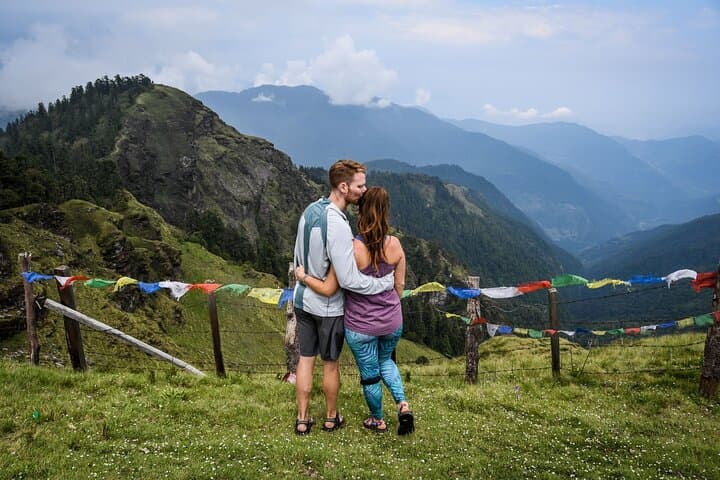
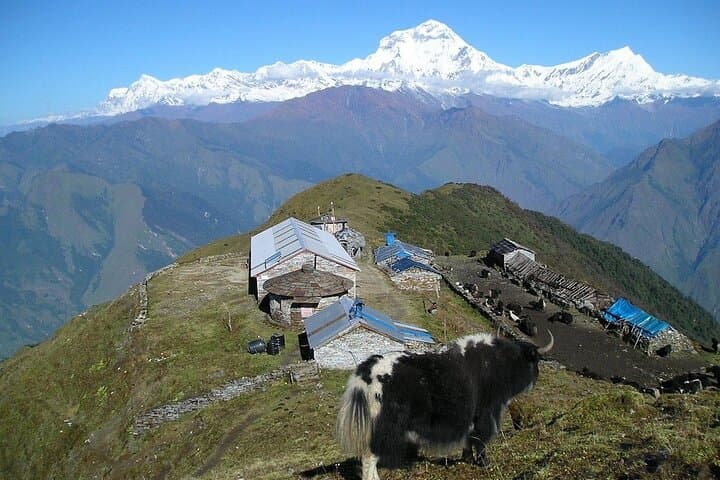
The route threads local Magar and Gurung villages, community lodges and small farms—places shaped by subsistence terraces and centuries of mountain trade. Geologically, you’re walking the southern flank of the Greater Himalaya: ancient uplift, glaciated valleys and moraine ridgelines frame views of Machhapuchhre (Fishtail), Dhaulagiri and the Annapurna massif.
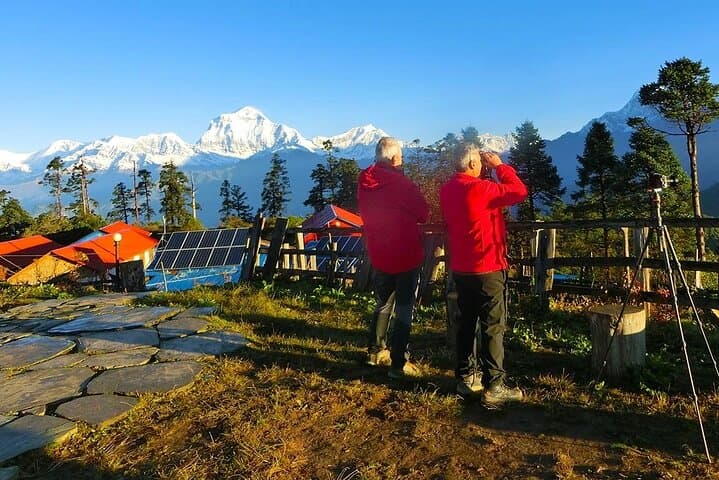
Culturally, the trail is understated—tea houses run by families, simple community-run lodges, and a pace governed by village rhythms rather than tourism schedules. Expect evenings of yak-butter tea, basic rooms and shared meals sourced from nearby farms.
Practical note: daily walking ranges from three to eight hours with a max sleeping altitude near 3,300 m at Mohare Danda; acclimatize slowly, keep hydrated and carry warm layers for alpine nights. Trails alternate stone-paved stairways, dirt tracks and forest paths; good boots and trekking poles reduce knee stress. Start early for sunrise viewpoints at Poon Hill, time walks to avoid afternoon weather, and budget extra for hot drinks and local guides who add safety and context.
This is a purposeful trek—less crowded than main Annapurna circuits, community-driven, and rewarding for hikers who want mountain panoramas, village life and straightforward logistics from Pokhara.
moderate.
6 days (5 nights).
Moderate fitness; comfortable with daily walks of 4–6 hours and occasional 7–8 hour days with elevation gain.
You typically need a TIMS card and Annapurna Conservation Area Project (ACAP) permit; your operator usually arranges these or advises how to obtain them in Pokhara.
Mohare Danda reaches about 3,300 m—most trekkers cope with proper pacing and hydration, but symptoms of AMS can occur; descend if headaches, nausea or dizziness worsen.
Community lodges and teahouses are basic—shared bathrooms, simple hot showers where available, and family-style meals sourced locally.
Spring (March–May) and autumn (September–November) offer the most stable weather and clear mountain views; mornings are best for sunrise viewpoints.
The trail follows traditional village routes used by Gurung and Magar communities; terraced farming and community lodges reflect centuries of mountain adaptation.
This area lies within community-managed zones of the Annapurna region; travel with local guides, pack out trash and limit single-use plastics to support fragile village ecosystems.
Guru Pahari operates guided outdoor trips and adventures with an emphasis on safety, stewardship, and memorable experiences.
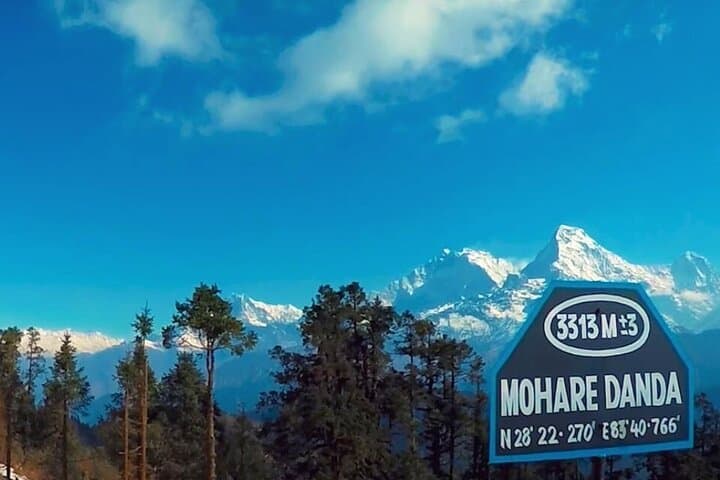
Dawn breaks over a ridge of rhododendron and oak as you stand on Mohare Danda, the wind nudging your breath into clouds and the Annapurna skyline sharpening from soft to severe. The first hours of this six-day community trek push you up through village terraces and through the hush of high forest; suspension bridges click underfoot, and the Kali Gandaki gorge yawns below like a route carved by time.
Dawn breaks over a ridge of rhododendron and oak as you stand on Mohare Danda, the wind nudging your breath into clouds and the Annapurna skyline sharpening from soft to severe. The first hours of this six-day community trek push you up through village terraces and through the hush of high forest; suspension bridges click underfoot, and the Kali Gandaki gorge yawns below like a route carved by time.
The route threads local Magar and Gurung villages, community lodges and small farms—places shaped by subsistence terraces and centuries of mountain trade. Geologically, you’re walking the southern flank of the Greater Himalaya: ancient uplift, glaciated valleys and moraine ridgelines frame views of Machhapuchhre (Fishtail), Dhaulagiri and the Annapurna massif.
Culturally, the trail is understated—tea houses run by families, simple community-run lodges, and a pace governed by village rhythms rather than tourism schedules. Expect evenings of yak-butter tea, basic rooms and shared meals sourced from nearby farms.
Practical note: daily walking ranges from three to eight hours with a max sleeping altitude near 3,300 m at Mohare Danda; acclimatize slowly, keep hydrated and carry warm layers for alpine nights. Trails alternate stone-paved stairways, dirt tracks and forest paths; good boots and trekking poles reduce knee stress. Start early for sunrise viewpoints at Poon Hill, time walks to avoid afternoon weather, and budget extra for hot drinks and local guides who add safety and context.
This is a purposeful trek—less crowded than main Annapurna circuits, community-driven, and rewarding for hikers who want mountain panoramas, village life and straightforward logistics from Pokhara.