THE ADVENTURE COLLECTIVE® · Independent discovery and booking for outdoor travel

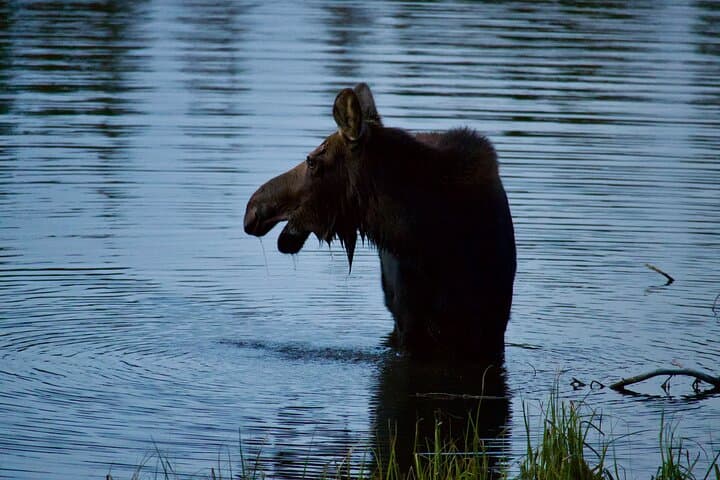
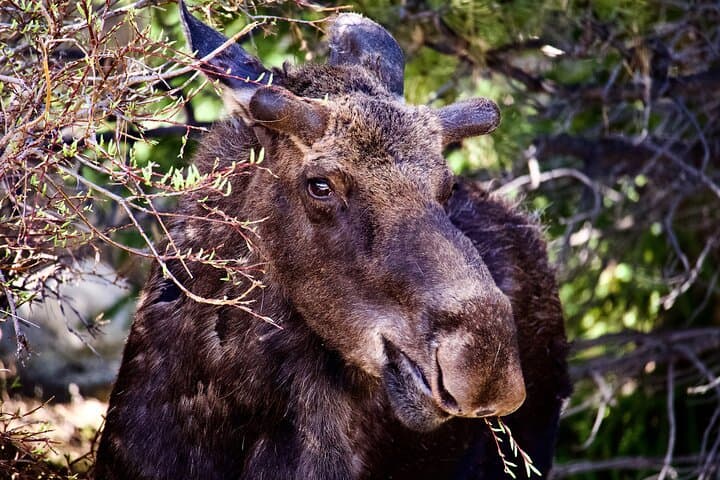
Head into Rocky Mountain National Park for a focused, two-hour guided wildlife expedition out of Estes Park. Expect close views of moose and elk habitat, practical guidance on safe viewing distances, and a compact introduction to the park’s geology and history.
Head into Rocky Mountain National Park for a focused, two-hour guided wildlife expedition out of Estes Park. Expect close views of moose and elk habitat, practical guidance on safe viewing distances, and a compact introduction to the park’s geology and history.
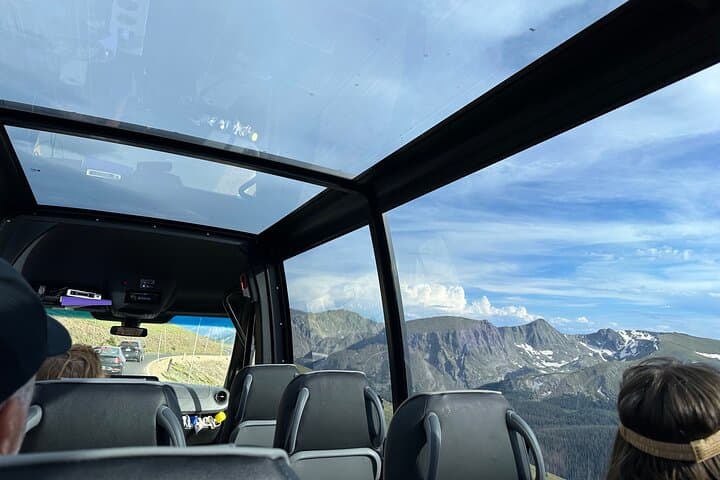
Late-afternoon light spills across a broad alpine meadow as the van eases off the highway and passengers press lenses and binoculars to the glass. The air is thin, cool, and carries the smell of grass and pine; somewhere ahead a bull elk clears his throat and answers a nearby rustle. This is Rocky Mountain National Park in miniature—sudden wildlife encounters framed by soaring granite and open sky.
Verified experiences and guided adventures in the surrounding area.
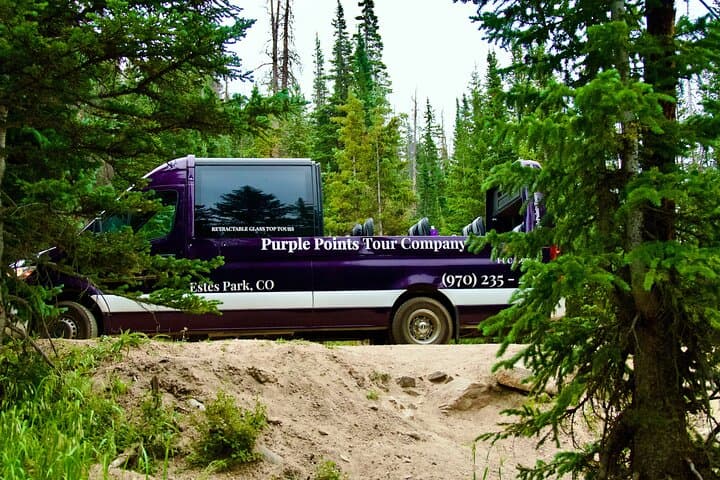
Operated by Purple Points Tour Company · Estes Park, Colorado
Late-afternoon light spills across a broad alpine meadow as the van eases off the highway and passengers press lenses and binoculars to the glass. The air is thin, cool, and carries the smell of grass and pine; somewhere ahead a bull elk clears his throat and answers a nearby rustle. This is Rocky Mountain National Park in miniature—sudden wildlife encounters framed by soaring granite and open sky.
The park, created in 1915, sits where uplifted Precambrian and Paleozoic rocks meet glacially carved valleys; those geological bones shape the wide meadows and winding riparian corridors that draw moose, elk, mule deer, coyotes, and turkeys. The land also holds deep human history—Arapaho and Ute peoples ranged these highlands for millennia, and early 20th‑century conservation efforts set the stage for today’s guided viewing etiquette.
Expect a vehicle-based, two-hour outing that includes park entry and timed permits. Guides move slowly, scanning willows and aspen stands where moose feed in spring and early summer and where elk concentrate during the rut in autumn. Dress in layers, carry binoculars, and keep noise low—wildlife responds to quiet more reliably than bright flash. Guides will emphasize safe viewing distances and leave-no-trace behavior; sightings are likely but never guaranteed, part of the honest rhythm of wild places.
Practical points: arrive 15 minutes early at the Estes Park office (165 Virginia Dr), bring water and a charged phone, and be ready for variable mountain weather. The short time in the park is designed for focused observation—watch the light, watch the animals, and let the landscape do the rest.
easy.
2 hours.
Suitable for most fitness levels; primarily vehicle-based with light walking to viewpoint points
No—sightings are common but not guaranteed; guides maximize opportunity by focusing on known habitats and animal behavior.
This is a two-hour guided tour that includes park timed-entry and basic refreshments; check-in is 15 minutes early at the Estes Park office.
Yes—it's family-friendly and suitable for most ages; infant seats are available, but keep children quiet and seated during viewing.
Park entry and any required timed-entry permits are included in the tour price—bring your confirmation and ID to check in.
Rocky Mountain National Park was established in 1915; the high valleys and meadows were long used by Ute and Arapaho peoples before park designation.
Keep to designated pullouts, never feed wildlife, and pack out all trash; limiting vehicle speed and noise reduces roadside disturbance and roadkill.
Purple Points Tour Company operates guided outdoor trips and adventures with an emphasis on safety, stewardship, and memorable experiences.
Late-afternoon light spills across a broad alpine meadow as the van eases off the highway and passengers press lenses and binoculars to the glass. The air is thin, cool, and carries the smell of grass and pine; somewhere ahead a bull elk clears his throat and answers a nearby rustle. This is Rocky Mountain National Park in miniature—sudden wildlife encounters framed by soaring granite and open sky.
Late-afternoon light spills across a broad alpine meadow as the van eases off the highway and passengers press lenses and binoculars to the glass. The air is thin, cool, and carries the smell of grass and pine; somewhere ahead a bull elk clears his throat and answers a nearby rustle. This is Rocky Mountain National Park in miniature—sudden wildlife encounters framed by soaring granite and open sky.
The park, created in 1915, sits where uplifted Precambrian and Paleozoic rocks meet glacially carved valleys; those geological bones shape the wide meadows and winding riparian corridors that draw moose, elk, mule deer, coyotes, and turkeys. The land also holds deep human history—Arapaho and Ute peoples ranged these highlands for millennia, and early 20th‑century conservation efforts set the stage for today’s guided viewing etiquette.
Expect a vehicle-based, two-hour outing that includes park entry and timed permits. Guides move slowly, scanning willows and aspen stands where moose feed in spring and early summer and where elk concentrate during the rut in autumn. Dress in layers, carry binoculars, and keep noise low—wildlife responds to quiet more reliably than bright flash. Guides will emphasize safe viewing distances and leave-no-trace behavior; sightings are likely but never guaranteed, part of the honest rhythm of wild places.
Practical points: arrive 15 minutes early at the Estes Park office (165 Virginia Dr), bring water and a charged phone, and be ready for variable mountain weather. The short time in the park is designed for focused observation—watch the light, watch the animals, and let the landscape do the rest.