THE ADVENTURE COLLECTIVE® · Independent discovery and booking for outdoor travel

Board a small boat off Moorea for a half-day of humpback watching and possible lagoon snorkeling with rays and reef sharks. This non‑swimming tour prioritizes respectful observation, small groups, and local guiding expertise.
Board a small boat off Moorea for a half-day of humpback watching and possible lagoon snorkeling with rays and reef sharks. This non‑swimming tour prioritizes respectful observation, small groups, and local guiding expertise.
The boat slips away from Moorea’s shoreline and the ocean opens, cool wind pushing the bow. Onboard, conversation lowers as a spout appears: the rounded back of a humpback rises and the group leans forward. This half-day tour is about observation — close but respectful — letting the whales set the pace while guides translate behavior into context.
Verified experiences and guided adventures in the surrounding area.
Operated by Moorea Expedition · Moorea, Society Islands
The boat slips away from Moorea’s shoreline and the ocean opens, cool wind pushing the bow. Onboard, conversation lowers as a spout appears: the rounded back of a humpback rises and the group leans forward. This half-day tour is about observation — close but respectful — letting the whales set the pace while guides translate behavior into context.
Moorea’s steep volcanic ridges are remnants of an island-building episode millions of years old; offshore, deep channels between islands funnel nutrient-rich water that draws seasonal humpbacks. Polynesian culture long recognized and respected cetaceans; today local guides combine traditional knowledge with modern whale-watching best practices to minimize disturbance.
Expect open-ocean cruising with occasional lagoon stops if time and encounters permit. Terrain is marine: rolling seas, brief standing on a small craft, and sheltered motus for snorkeling with rays or reef sharks only when conditions and timing allow. Wildlife sightings vary by season, with humpbacks most common in southern winter months.
Practical guidance: bring layered sun protection, a light windbreaker, and motion-sickness prevention if you’re prone to seasickness. Cameras with a telephoto lens or a good zoom on a phone capture distant blows and tail slaps; binoculars help when animals are farther out. Tours are typically 4 hours, small-group (up to 12), and suitable for most fitness levels, but not recommended for guests with serious back, heart, or pregnancy-related conditions.
Plan logistics around tides and ferry schedules if arriving from Tahiti; choose morning departures for calmer seas and softer light. Respect guide instructions: distance, silence during sightings, and no attempts to approach animals from the water when observing—onboard viewing keeps encounters low-impact and memorable.
easy.
4 hours.
Suitable for most fitness levels; must be able to board a small boat and stand briefly on deck
No — this tour is observation-only for whales; snorkeling in the lagoon may be offered later if time and conditions permit, but not with whales.
Common sightings include spinner dolphins, manta-like rays in the lagoon, sea turtles, and various reef fish when stopping to snorkel.
Yes — strollers and infant seats are available and the tour is rated easy, but parents should consider sea conditions and supervision on deck.
The operator cancels if weather or sea conditions are unsafe; full refunds are available if cancelled more than 24 hours before departure per the booking policy.
Moorea’s landscape formed from volcanic activity; humans colonized the Society Islands centuries ago, developing seafaring traditions and deep cultural connections to ocean life.
Operators typically follow guidelines to avoid disrupting marine mammals; travel with companies that maintain distance, limit group sizes, and support local conservation efforts.
Moorea Expedition operates guided outdoor trips and adventures with an emphasis on safety, stewardship, and memorable experiences.
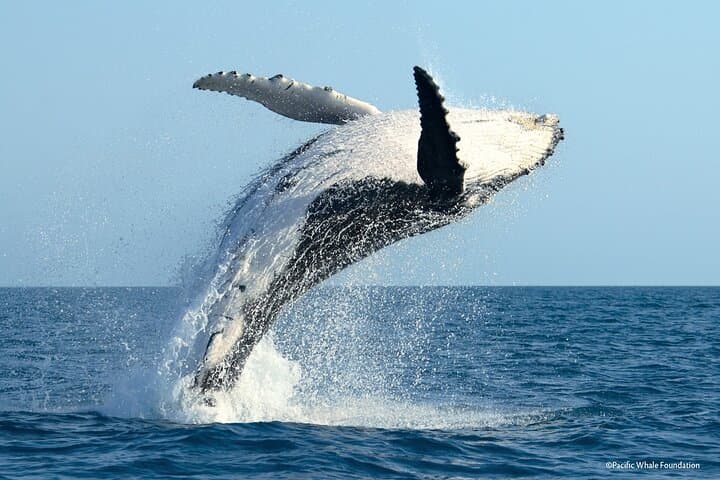


The boat slips away from Moorea’s shoreline and the ocean opens, cool wind pushing the bow. Onboard, conversation lowers as a spout appears: the rounded back of a humpback rises and the group leans forward. This half-day tour is about observation — close but respectful — letting the whales set the pace while guides translate behavior into context.
The boat slips away from Moorea’s shoreline and the ocean opens, cool wind pushing the bow. Onboard, conversation lowers as a spout appears: the rounded back of a humpback rises and the group leans forward. This half-day tour is about observation — close but respectful — letting the whales set the pace while guides translate behavior into context.
Moorea’s steep volcanic ridges are remnants of an island-building episode millions of years old; offshore, deep channels between islands funnel nutrient-rich water that draws seasonal humpbacks. Polynesian culture long recognized and respected cetaceans; today local guides combine traditional knowledge with modern whale-watching best practices to minimize disturbance.
Expect open-ocean cruising with occasional lagoon stops if time and encounters permit. Terrain is marine: rolling seas, brief standing on a small craft, and sheltered motus for snorkeling with rays or reef sharks only when conditions and timing allow. Wildlife sightings vary by season, with humpbacks most common in southern winter months.
Practical guidance: bring layered sun protection, a light windbreaker, and motion-sickness prevention if you’re prone to seasickness. Cameras with a telephoto lens or a good zoom on a phone capture distant blows and tail slaps; binoculars help when animals are farther out. Tours are typically 4 hours, small-group (up to 12), and suitable for most fitness levels, but not recommended for guests with serious back, heart, or pregnancy-related conditions.
Plan logistics around tides and ferry schedules if arriving from Tahiti; choose morning departures for calmer seas and softer light. Respect guide instructions: distance, silence during sightings, and no attempts to approach animals from the water when observing—onboard viewing keeps encounters low-impact and memorable.