THE ADVENTURE COLLECTIVE® · Independent discovery and booking for outdoor travel

Spend a day moving from ancestral trails to a motu lunch and a marine-biologist-led snorkel in Cook and Opunohu bays. Hike to the belvedere and Three Pines, cross pineapple fields and marae, then board for wildlife-rich snorkeling and a local meal.
Spend a day moving from ancestral trails to a motu lunch and a marine-biologist-led snorkel in Cook and Opunohu bays. Hike to the belvedere and Three Pines, cross pineapple fields and marae, then board for wildlife-rich snorkeling and a local meal.
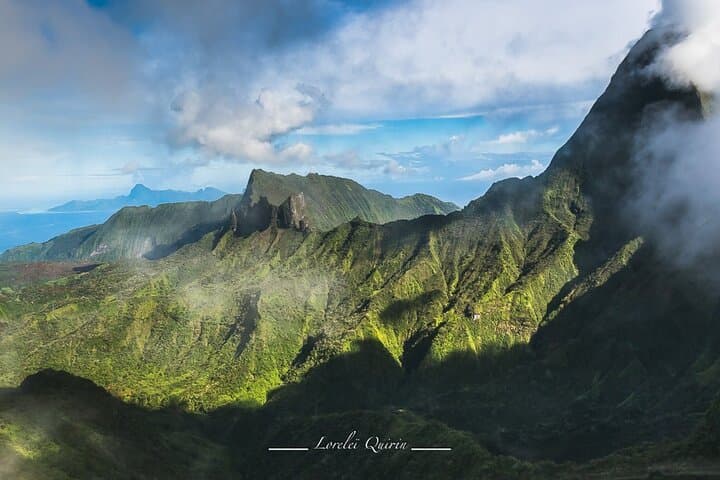
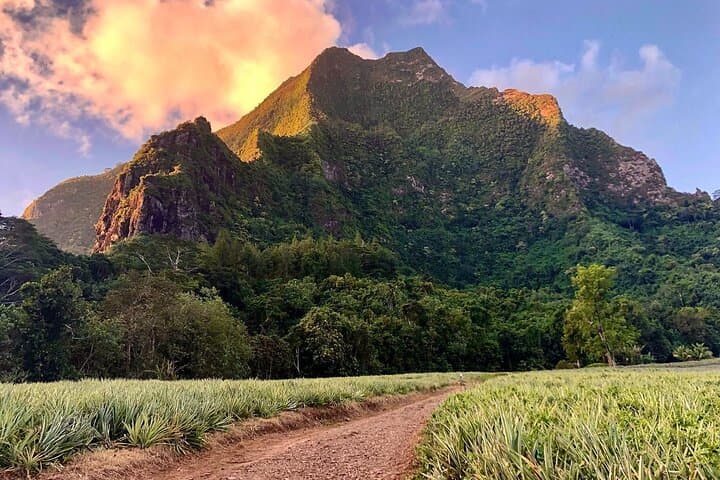
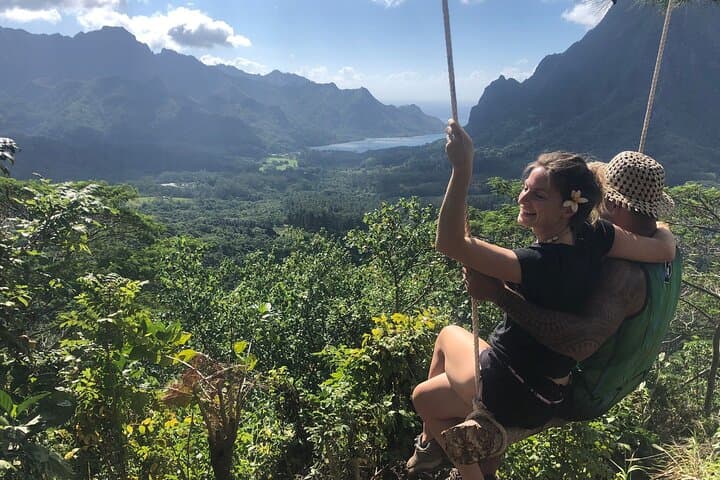
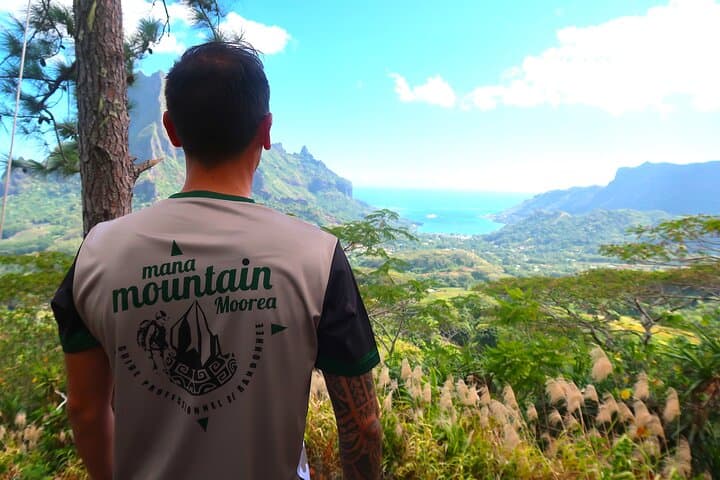
The day begins on a narrow dirt ribbon that climbs out of a pineapple plain and into the green ribs of Moorea’s interior. Wind pushes the ridgelines and the island’s colored bays hold the sun like polished stone; the ancestor trail picks its way past small marae and then angles upward toward the belvedere and the three lone pines.
Verified experiences and guided adventures in the surrounding area.
Operated by Mana Moorea Tours · Moorea, Society Islands
The day begins on a narrow dirt ribbon that climbs out of a pineapple plain and into the green ribs of Moorea’s interior. Wind pushes the ridgelines and the island’s colored bays hold the sun like polished stone; the ancestor trail picks its way past small marae and then angles upward toward the belvedere and the three lone pines.
Moorea is a volcanic remnant of the Society Islands—steep basalt ridges cut by deep valleys and rimmed by a clear lagoon. Polynesian settlers built the low stone platforms (marae) you’ll pass; later, commercial pineapple fields shaped much of the coastal lowland. Guides point out both the cultural markers and the island’s geology, linking erosion and reef formation to the bays below.
After the ridge, the experience shifts to water: a short transfer to a motu where a full local lunch is served aboard, then a marine-biologist-led exploration of Cook and Opunohu bays. Expect shallow coral gardens, inquisitive reef turtles, spotted rays, and occasional dolphins; humpback whales migrate through the channel in winter months.
Practical notes: the trail includes rooted, rocky singletrack and some exposed sections—plan for roughly 3 km round-trip and about 200–300 m of ascent; terrain can be slippery after rain. Wear sturdy shoes, bring reef-safe sunscreen, a reusable water bottle, and a light wind layer for the boat. Snorkel gear is usually provided but a personal mask fits better. Start early to avoid midday sun and to maximize calm sea conditions for snorkeling and evening light over the bays.
moderate.
8 hours.
Moderate fitness for short steep sections and full-day activity including boat transfers; comfortable walking ability and basic stamina required.
Yes—operators list it as suitable for all fitness levels; trails are short though parts are steep, and guides adjust pace for families.
Common sightings include green sea turtles, reef rays, and dolphins; humpback whales pass through seasonally (roughly July–November).
Yes, snorkeling equipment is typically included but many travelers bring their own mask for comfort and fit.
A full local lunch, snacks, coffee and tea, and some alcoholic beverages are included according to the tour inclusions.
Moorea’s valleys contain marae—stone platforms used by early Polynesian communities; European-era agriculture later introduced commercial pineapple farming.
Respect coral and wildlife by using reef-safe sunscreen, avoiding touching animals and corals, and following your guide’s instructions to minimize impact.
Mana Moorea Tours operates guided outdoor trips and adventures with an emphasis on safety, stewardship, and memorable experiences.
The day begins on a narrow dirt ribbon that climbs out of a pineapple plain and into the green ribs of Moorea’s interior. Wind pushes the ridgelines and the island’s colored bays hold the sun like polished stone; the ancestor trail picks its way past small marae and then angles upward toward the belvedere and the three lone pines.
The day begins on a narrow dirt ribbon that climbs out of a pineapple plain and into the green ribs of Moorea’s interior. Wind pushes the ridgelines and the island’s colored bays hold the sun like polished stone; the ancestor trail picks its way past small marae and then angles upward toward the belvedere and the three lone pines.
Moorea is a volcanic remnant of the Society Islands—steep basalt ridges cut by deep valleys and rimmed by a clear lagoon. Polynesian settlers built the low stone platforms (marae) you’ll pass; later, commercial pineapple fields shaped much of the coastal lowland. Guides point out both the cultural markers and the island’s geology, linking erosion and reef formation to the bays below.
After the ridge, the experience shifts to water: a short transfer to a motu where a full local lunch is served aboard, then a marine-biologist-led exploration of Cook and Opunohu bays. Expect shallow coral gardens, inquisitive reef turtles, spotted rays, and occasional dolphins; humpback whales migrate through the channel in winter months.
Practical notes: the trail includes rooted, rocky singletrack and some exposed sections—plan for roughly 3 km round-trip and about 200–300 m of ascent; terrain can be slippery after rain. Wear sturdy shoes, bring reef-safe sunscreen, a reusable water bottle, and a light wind layer for the boat. Snorkel gear is usually provided but a personal mask fits better. Start early to avoid midday sun and to maximize calm sea conditions for snorkeling and evening light over the bays.