THE ADVENTURE COLLECTIVE® · Independent discovery and booking for outdoor travel

Explore Moorea's shallow turquoise lagoon with a local guide and meet stingrays, blacktip reef sharks and sea turtles in protected waters. This four-hour snorkel excursion combines guided marine interpretation with hands-off wildlife viewing and reef education.
Explore Moorea's shallow turquoise lagoon with a local guide and meet stingrays, blacktip reef sharks and sea turtles in protected waters. This four-hour snorkel excursion combines guided marine interpretation with hands-off wildlife viewing and reef education.
You push off from the skiff and the lagoon opens like a bright, shallow bowl — turquoise water over white sand, coral gardens rolling like low hills beneath the surface. The guide points and the water answers: a stingray edges away with a slate glide, a sea turtle tips up for a breath, and a blacktip reef shark circles the outer reef with casual authority. The ocean here is lively, immediate, and instructive.
Verified experiences and guided adventures in the surrounding area.
Operated by TAMA TOURS MOOREA · Maharepa, Moorea-Maiao
You push off from the skiff and the lagoon opens like a bright, shallow bowl — turquoise water over white sand, coral gardens rolling like low hills beneath the surface. The guide points and the water answers: a stingray edges away with a slate glide, a sea turtle tips up for a breath, and a blacktip reef shark circles the outer reef with casual authority. The ocean here is lively, immediate, and instructive.
Moorea is a young volcanic island with steep ridges and an encircling barrier reef that creates warm, sheltered lagoons. Polynesian settlers shaped the coastline for centuries by fishing and farming; in recent decades French Polynesia has designated large marine protected areas to safeguard these waters and the species that use them. Geology and currents combine to concentrate life at the reef edge — spinner dolphins and reef fish live where coral complexity meets nutrient flow.
On a guided lagoon exploration you’ll spend about four hours moving between shallow flats, channel edges and motu drop-offs. Expect guided snorkel instruction, close but respectful encounters with rays and turtles, and pointed commentary on coral health and local customs. Guides in Moorea emphasize non-contact viewing: no chasing, no touching, and reef-safe sunscreens only.
Practical tips: arrive with a swimsuit and quick-dry layers, use reef-safe sunscreen, and bring a lightweight waterproof layer for wind. Basic snorkeling comfort is required; the tour suits moderately fit travelers who can swim 50–100 meters and handle gentle currents. Timing your trip for morning light and calmer seas improves visibility and the chance of seeing turtles at the reef edge.
moderate.
4 hours.
Moderately fit — able to swim 50–100 meters and get on/off a small boat repeatedly
Blacktip reef sharks in Moorea are generally shy and not a threat to swimmers; guides manage distances and encounters to keep both people and animals safe.
No formal certification is needed, but you should be comfortable breathing through a snorkel and swimming short distances; guides provide basic instruction.
Most tours provide masks, snorkels and life vests, but you may prefer bringing a personal mask for fit and comfort—confirm with the operator when booking.
Children can join if they can swim and follow safety instructions; infants typically must sit on an adult’s lap and operators set age limits—check at booking.
Moorea’s shores have supported Polynesian communities for centuries; the island’s dramatic ridges are the remnant of volcanic activity that formed the Windward Islands.
French Polynesia has expanded marine protected zones in recent decades; visitors are asked to avoid touching wildlife, not feed animals, and use reef-safe products.
TAMA TOURS MOOREA operates guided outdoor trips and adventures with an emphasis on safety, stewardship, and memorable experiences.
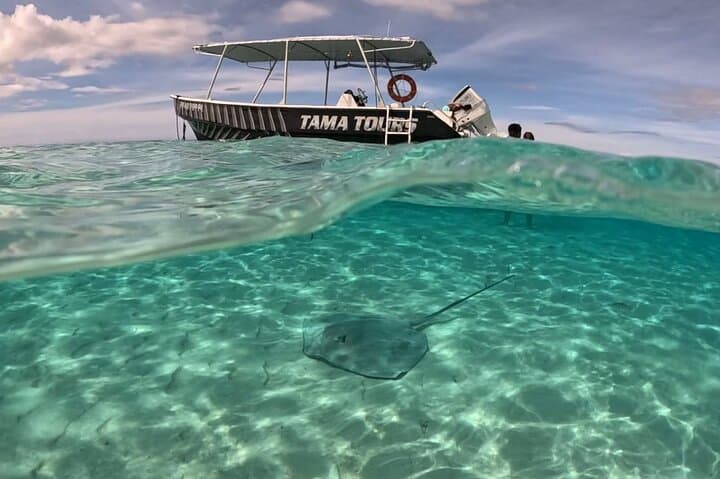
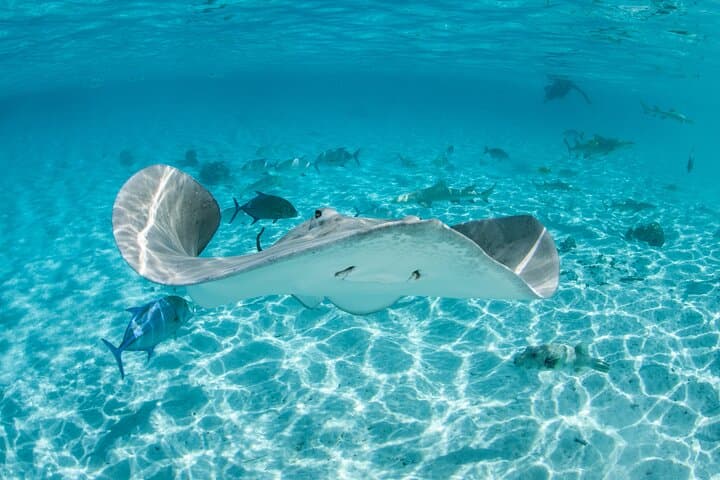
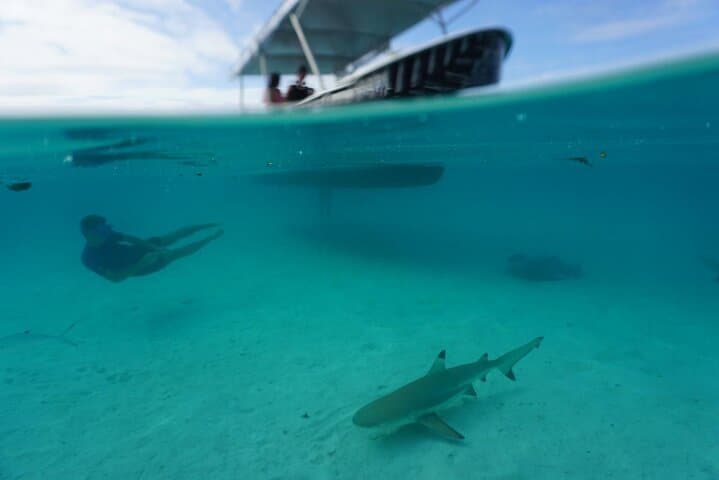
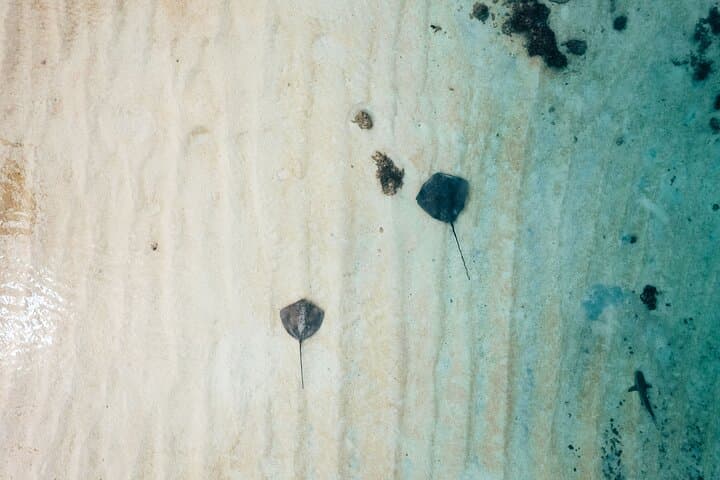
You push off from the skiff and the lagoon opens like a bright, shallow bowl — turquoise water over white sand, coral gardens rolling like low hills beneath the surface. The guide points and the water answers: a stingray edges away with a slate glide, a sea turtle tips up for a breath, and a blacktip reef shark circles the outer reef with casual authority. The ocean here is lively, immediate, and instructive.
You push off from the skiff and the lagoon opens like a bright, shallow bowl — turquoise water over white sand, coral gardens rolling like low hills beneath the surface. The guide points and the water answers: a stingray edges away with a slate glide, a sea turtle tips up for a breath, and a blacktip reef shark circles the outer reef with casual authority. The ocean here is lively, immediate, and instructive.
Moorea is a young volcanic island with steep ridges and an encircling barrier reef that creates warm, sheltered lagoons. Polynesian settlers shaped the coastline for centuries by fishing and farming; in recent decades French Polynesia has designated large marine protected areas to safeguard these waters and the species that use them. Geology and currents combine to concentrate life at the reef edge — spinner dolphins and reef fish live where coral complexity meets nutrient flow.
On a guided lagoon exploration you’ll spend about four hours moving between shallow flats, channel edges and motu drop-offs. Expect guided snorkel instruction, close but respectful encounters with rays and turtles, and pointed commentary on coral health and local customs. Guides in Moorea emphasize non-contact viewing: no chasing, no touching, and reef-safe sunscreens only.
Practical tips: arrive with a swimsuit and quick-dry layers, use reef-safe sunscreen, and bring a lightweight waterproof layer for wind. Basic snorkeling comfort is required; the tour suits moderately fit travelers who can swim 50–100 meters and handle gentle currents. Timing your trip for morning light and calmer seas improves visibility and the chance of seeing turtles at the reef edge.