THE ADVENTURE COLLECTIVE® · Independent discovery and booking for outdoor travel

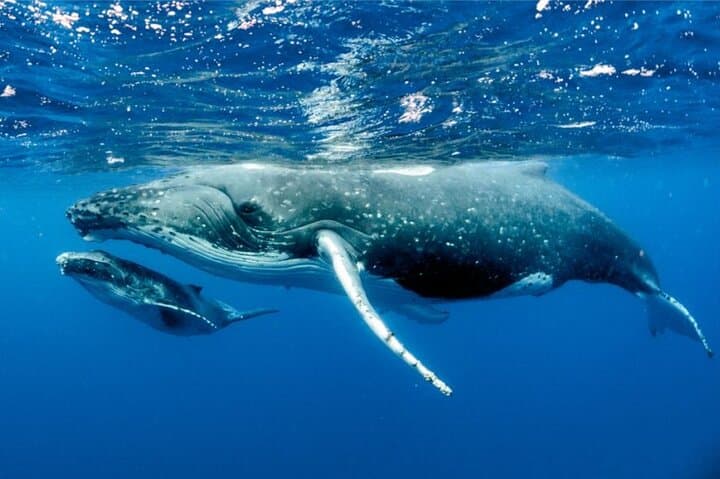
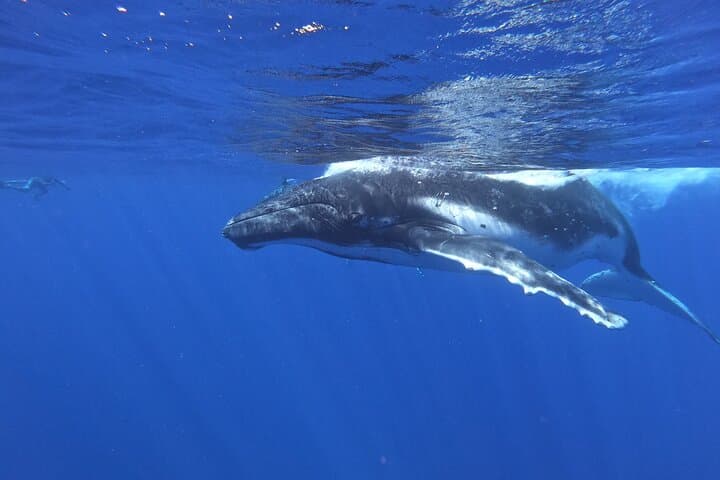
Board a small-boat whale watch off Moorea during humpback season for three hours of open-ocean searching, lagoon snorkeling, and possible sightings of mothers with calves. Bring strong swimming skills and reef-safe sun protection—these are guided encounters with strict approach rules and no guarantees.
Board a small-boat whale watch off Moorea during humpback season for three hours of open-ocean searching, lagoon snorkeling, and possible sightings of mothers with calves. Bring strong swimming skills and reef-safe sun protection—these are guided encounters with strict approach rules and no guarantees.
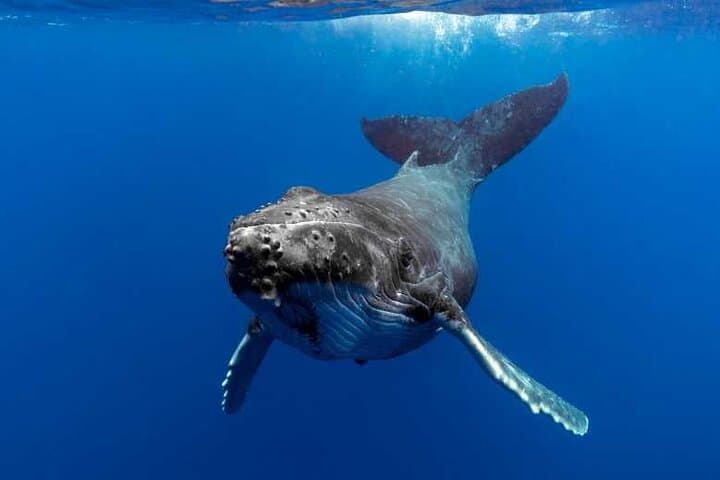
A cool salt breeze lifts off the lagoon as the boat slips past coral fingers and into open water. Morning light cuts across Mo'orea's volcanic ridges while the crew scans the horizon; somewhere beyond the reef a humpback could surface, tail high, demanding attention.
Verified experiences and guided adventures in the surrounding area.
Operated by Top Jet & Top Quad Moorea · Maharepa, Society Islands
A cool salt breeze lifts off the lagoon as the boat slips past coral fingers and into open water. Morning light cuts across Mo'orea's volcanic ridges while the crew scans the horizon; somewhere beyond the reef a humpback could surface, tail high, demanding attention.
Humpbacks migrate to the Society Islands each year to breed and calve in warm water — a pattern observed by Polynesian navigators for generations. Moorea itself is a young volcanic island, its peaks carved by erosion and framed by a wide lagoon that teems with life. Local guides blend maritime knowledge with cultural respect: approach rules keep vessels at a distance so mothers and calves choose the encounter.
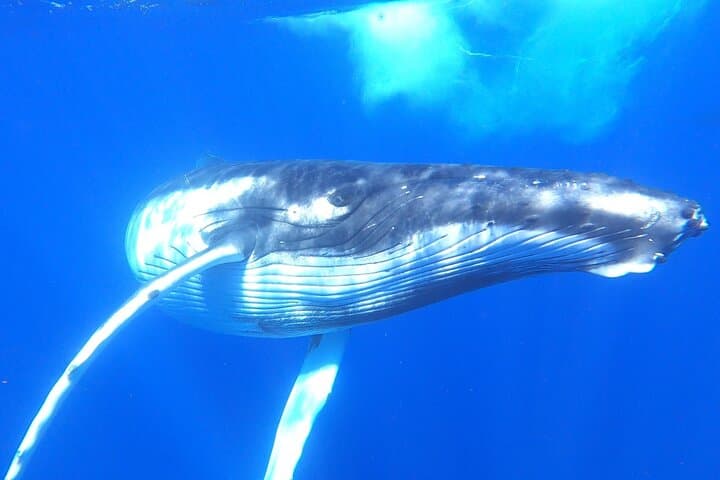
On this three‑hour outing (typically 08:30–11:30, offered seasonally 20 July–20 November) you can expect a mix of open‑ocean searching and lagoon visits. Encounters may include mothers with calves, breaching displays, dolphins, turtles, manta rays, and blacktip sharks; snorkeling stops let you watch rays and reef life close to the boat. The operator limits group size to about 12 and enforces swimming requirements and a 150 m round‑trip swim when snorkeling near whales.
Practically: bring reef‑safe sunscreen, a snug mask and fins, seasickness meds if needed, and layered sun protection for shaded boat time. Note: children under 13 are not permitted, pregnancy is discouraged, and guests must be sober: zero tolerance for substances. Sightings are never guaranteed — the ocean decides — but when the giants show, the moment is unmistakable.
challenging.
3 hours.
High level of fitness required — you should be a confident open-water swimmer comfortable snorkeling in currents.
Humpbacks are most commonly observed from late July through November; this operator runs tours between 20 July and 20 November.
Yes — strong swimming ability is required. The tour includes snorkeling and may require a 150 m round-trip swim during approach rules.
No — whales are wild animals and encounters can’t be guaranteed. Guides maximize chances by timing and location selection but cannot control animal behavior.
Children under 13 are not permitted on this specific tour; operators also advise against participation for pregnant travelers.
Moorea and the Society Islands have long been part of Polynesian voyaging routes; humpback migrations to these warm lagoons have been noted by local communities for centuries.
Guides follow strict approach guidelines to minimize disturbance; visitors should use reef-safe products and avoid touching marine life to protect fragile lagoon ecosystems.
Top Jet & Top Quad Moorea operates guided outdoor trips and adventures with an emphasis on safety, stewardship, and memorable experiences.
A cool salt breeze lifts off the lagoon as the boat slips past coral fingers and into open water. Morning light cuts across Mo'orea's volcanic ridges while the crew scans the horizon; somewhere beyond the reef a humpback could surface, tail high, demanding attention.
A cool salt breeze lifts off the lagoon as the boat slips past coral fingers and into open water. Morning light cuts across Mo'orea's volcanic ridges while the crew scans the horizon; somewhere beyond the reef a humpback could surface, tail high, demanding attention.
Humpbacks migrate to the Society Islands each year to breed and calve in warm water — a pattern observed by Polynesian navigators for generations. Moorea itself is a young volcanic island, its peaks carved by erosion and framed by a wide lagoon that teems with life. Local guides blend maritime knowledge with cultural respect: approach rules keep vessels at a distance so mothers and calves choose the encounter.
On this three‑hour outing (typically 08:30–11:30, offered seasonally 20 July–20 November) you can expect a mix of open‑ocean searching and lagoon visits. Encounters may include mothers with calves, breaching displays, dolphins, turtles, manta rays, and blacktip sharks; snorkeling stops let you watch rays and reef life close to the boat. The operator limits group size to about 12 and enforces swimming requirements and a 150 m round‑trip swim when snorkeling near whales.
Practically: bring reef‑safe sunscreen, a snug mask and fins, seasickness meds if needed, and layered sun protection for shaded boat time. Note: children under 13 are not permitted, pregnancy is discouraged, and guests must be sober: zero tolerance for substances. Sightings are never guaranteed — the ocean decides — but when the giants show, the moment is unmistakable.