THE ADVENTURE COLLECTIVE® · Independent discovery and booking for outdoor travel

Ride an open-air 4x4 into Moorea’s volcanic heart, linking iconic lookouts with pineapple fields, river eels, and a tasty stop at the Rotui juice factory. This half-day safari blends big views with local history—accessible, lively, and perfect for first-time visitors or return travelers chasing fresh angles.
Ride an open-air 4x4 into Moorea’s volcanic heart, linking iconic lookouts with pineapple fields, river eels, and a tasty stop at the Rotui juice factory. This half-day safari blends big views with local history—accessible, lively, and perfect for first-time visitors or return travelers chasing fresh angles.
Trade winds comb the palms as the 4x4 climbs out of the lagoon breeze and into Moorea’s green interior. The truck’s open-air benches sway and laugh, the valley answering back with the sweet, earthy scent of pineapple fields. Ahead, Mount Rotui sharpens the horizon, shouldering the space between the deep-cut arms of Cook’s Bay and Opunohu Bay. The mountain seems to urge you upward, while the lagoon below flashes shades of turquoise that dare your camera to keep up.
Verified experiences and guided adventures in the surrounding area.
Operated by Moorea Safari Tours · Moorea, Îles du Vent
Trade winds comb the palms as the 4x4 climbs out of the lagoon breeze and into Moorea’s green interior. The truck’s open-air benches sway and laugh, the valley answering back with the sweet, earthy scent of pineapple fields. Ahead, Mount Rotui sharpens the horizon, shouldering the space between the deep-cut arms of Cook’s Bay and Opunohu Bay. The mountain seems to urge you upward, while the lagoon below flashes shades of turquoise that dare your camera to keep up.
This half-day safari links Moorea’s signature viewpoints with the island’s quieter stories. At Belvedere Lookout, the island opens like a map: basalt peaks ring a collapsed volcanic heart, valleys stitched with plantation tracks and ancient stone marae. Guides fold in local history and language, pointing out the difference between legend and cartography—Captain Cook actually anchored in Opunohu Bay, not the bay that bears his name. The truck pushes higher toward Magic Mountain, a steep concrete ribbon that clings to the hillside. At the top, the lagoon spreads in 360 degrees, reef passes glowing like gateways while the trade winds tug at your hat.
Between vistas, the route slips through Opunohu Valley, where pineapple plants sit low and spiky, their fruit bright as lanterns. Rivers thread the forest; eels slide from the shade, curious as you approach, their smooth backs catching the light. The island’s past lingers in the valley floor—marae stones warmed by sun, breadfruit trees offering shade the way they always have. At the Rotui juice factory, tastings line the counter: tropical juices and local liqueurs that tell their own story of soil and sun.
Expect a lively ride—open benches, occasional jolts, and short walks to overlooks. It’s manageable for most travelers, with hotel pickup simplifying the start and finish. Mornings are cooler and clearer; afternoons glow, especially on Magic Mountain when the sea turns cobalt and the motu ring the reef like stepping stones.
Practical notes matter here: bring reef-safe sunscreen and a brimmed hat, as the sun prods even through cloud. A light rain jacket is smart; showers move quickly, rinsing the forest and sharpening the views. Closed-toe shoes help on the short, steep paths. Cash is handy for small purchases and tips. Above all, keep curiosity ready—the island has a way of answering good questions with better views.
easy.
3.5–4 hours.
Comfortable sitting in a moving vehicle with brief walks on steep, uneven paths; suitable for most travelers.
Expect some jolts and steep sections, especially on Magic Mountain’s concrete track. The tour is suitable for most travelers who can hold a rail and manage short walks.
Yes, round-trip hotel transfers on Moorea are included. If arriving from Tahiti, plan extra time for the ferry crossing.
Families are welcome; children should be able to sit securely on bench seats and follow guide instructions on short walks.
Complimentary tastings of local juices and select liqueurs are provided, with the option to purchase bottles and snacks.
Light showers are common and often clear the air for sharper views. Bring a light jacket; operations may adjust in heavy weather for safety.
Mornings generally offer cooler temperatures and clearer views; late afternoon can deliver dramatic lagoon color and softer light.
Despite the name, Captain James Cook anchored in Opunohu Bay during his 1777 voyage; Cook’s Bay was named later by cartographers. The valley holds numerous marae, remnants of pre-contact ceremonial life.
Use reef-safe sunscreen and pack out all waste; runoff from the valley drains into sensitive coral. Stay on established tracks to prevent erosion around archaeological sites.
Moorea Safari Tours operates guided outdoor trips and adventures with an emphasis on safety, stewardship, and memorable experiences.
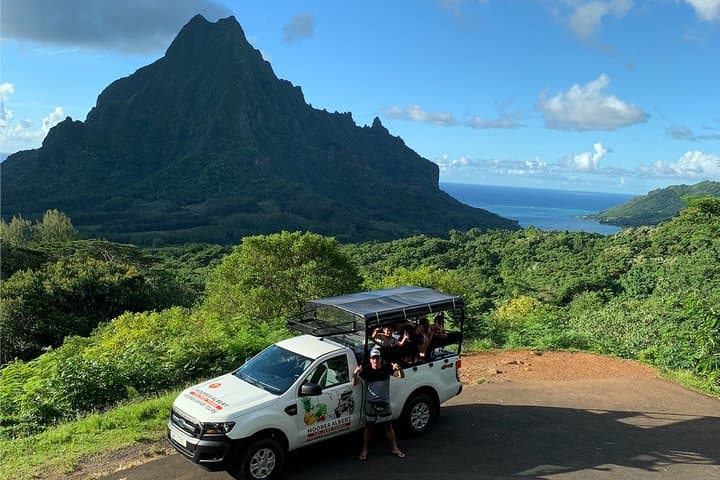
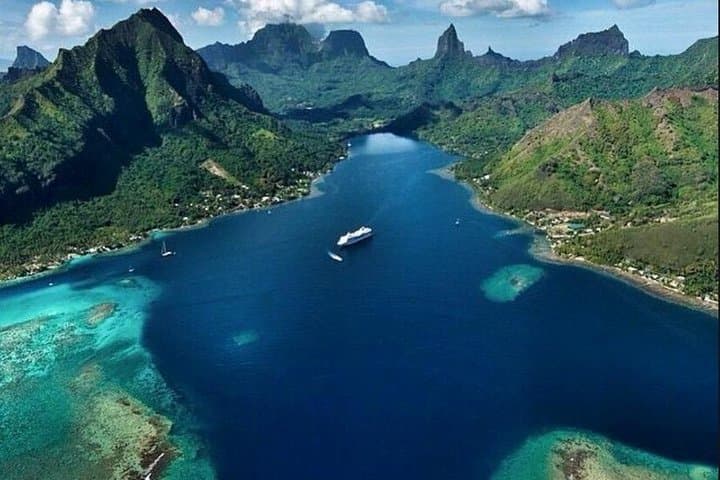
Trade winds comb the palms as the 4x4 climbs out of the lagoon breeze and into Moorea’s green interior. The truck’s open-air benches sway and laugh, the valley answering back with the sweet, earthy scent of pineapple fields. Ahead, Mount Rotui sharpens the horizon, shouldering the space between the deep-cut arms of Cook’s Bay and Opunohu Bay. The mountain seems to urge you upward, while the lagoon below flashes shades of turquoise that dare your camera to keep up.
Trade winds comb the palms as the 4x4 climbs out of the lagoon breeze and into Moorea’s green interior. The truck’s open-air benches sway and laugh, the valley answering back with the sweet, earthy scent of pineapple fields. Ahead, Mount Rotui sharpens the horizon, shouldering the space between the deep-cut arms of Cook’s Bay and Opunohu Bay. The mountain seems to urge you upward, while the lagoon below flashes shades of turquoise that dare your camera to keep up.
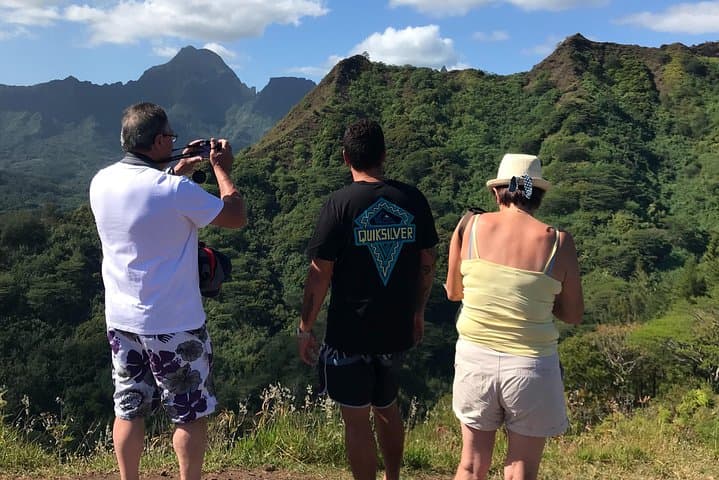
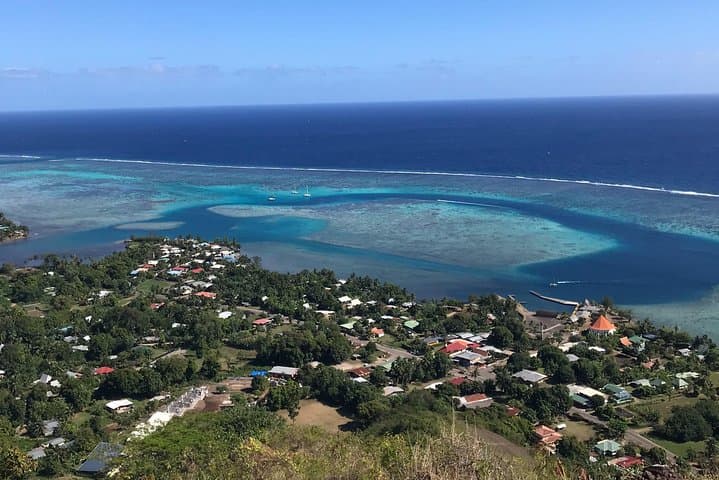
This half-day safari links Moorea’s signature viewpoints with the island’s quieter stories. At Belvedere Lookout, the island opens like a map: basalt peaks ring a collapsed volcanic heart, valleys stitched with plantation tracks and ancient stone marae. Guides fold in local history and language, pointing out the difference between legend and cartography—Captain Cook actually anchored in Opunohu Bay, not the bay that bears his name. The truck pushes higher toward Magic Mountain, a steep concrete ribbon that clings to the hillside. At the top, the lagoon spreads in 360 degrees, reef passes glowing like gateways while the trade winds tug at your hat.
Between vistas, the route slips through Opunohu Valley, where pineapple plants sit low and spiky, their fruit bright as lanterns. Rivers thread the forest; eels slide from the shade, curious as you approach, their smooth backs catching the light. The island’s past lingers in the valley floor—marae stones warmed by sun, breadfruit trees offering shade the way they always have. At the Rotui juice factory, tastings line the counter: tropical juices and local liqueurs that tell their own story of soil and sun.
Expect a lively ride—open benches, occasional jolts, and short walks to overlooks. It’s manageable for most travelers, with hotel pickup simplifying the start and finish. Mornings are cooler and clearer; afternoons glow, especially on Magic Mountain when the sea turns cobalt and the motu ring the reef like stepping stones.
Practical notes matter here: bring reef-safe sunscreen and a brimmed hat, as the sun prods even through cloud. A light rain jacket is smart; showers move quickly, rinsing the forest and sharpening the views. Closed-toe shoes help on the short, steep paths. Cash is handy for small purchases and tips. Above all, keep curiosity ready—the island has a way of answering good questions with better views.