THE ADVENTURE COLLECTIVE® · Independent discovery and booking for outdoor travel

Watch miners wash gravel by hand and spot iridescent moonstones at Meetiyagoda, a short drive from Hikkaduwa. This accessible, 2–3 hour tour combines geology, local craft and chances to buy jewelry directly from artisans.
Watch miners wash gravel by hand and spot iridescent moonstones at Meetiyagoda, a short drive from Hikkaduwa. This accessible, 2–3 hour tour combines geology, local craft and chances to buy jewelry directly from artisans.
A salty wind from the Indian Ocean follows the dirt road into Meetiyagoda, and the first sight is not a cavern but shallow pits and waist-high sluices where water runs like a silver ribbon through the mining beds. You step up to watch miners shovel dark sand and gravel into sieves; sunlight picks out pearly flashes from the sluice and a small stone glows white and blue in a palm.
Verified experiences and guided adventures in the surrounding area.
Operated by Suduhansa Tours · Meetiyagoda, Southern Province
A salty wind from the Indian Ocean follows the dirt road into Meetiyagoda, and the first sight is not a cavern but shallow pits and waist-high sluices where water runs like a silver ribbon through the mining beds. You step up to watch miners shovel dark sand and gravel into sieves; sunlight picks out pearly flashes from the sluice and a small stone glows white and blue in a palm.
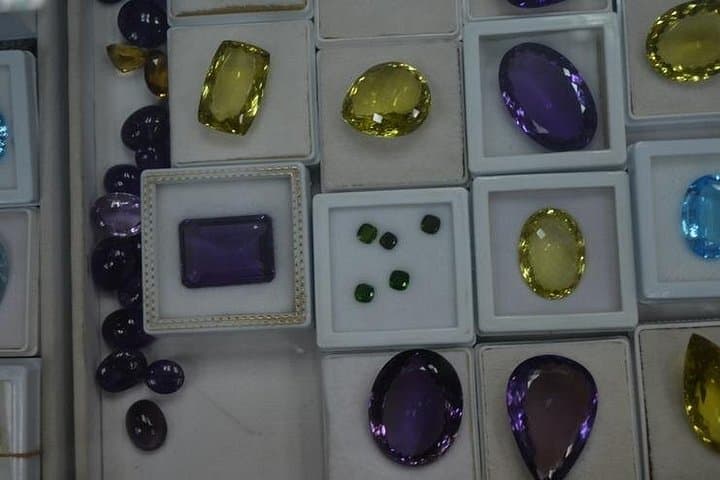
Meetiyagoda’s moonstones are part geology and part local craft: Sri Lankan moonstone is a type of feldspar prized for adularescence, and miners here have been extracting gems and bead-grade stones for generations. The village sits on coastal alluvial deposits—low-elevation pits and terraces carved by water—so you’ll see hands-on sorting, basic lapidary work and jewelry making across tiny workshops.
Culturally, this is a working gem zone tied to the broader gem trade of the Galle district; expect straightforward commerce, family-run stalls and artisans turning rough finds into settings within hours.
Practical guidance: the tour runs about 2–3 hours with roughly 90–120 minutes on-site. Surfaces are sandy and often wet—closed-toe shoes with grip and quick-dry clothing are sensible. Bring cash for small purchases and modest bargaining; photography is permitted but ask before shooting close-up of workers. The site is low-elevation and accessible by vehicle; shade is limited so plan early morning visits to avoid heat and mid-day glare. Respect working areas, avoid touching raw equipment, and if you buy stones, request basic provenance and a simple receipt. With attention to safety and etiquette, Meetiyagoda offers a clear, tactile window into Sri Lanka’s gemcraft tradition.
easy.
2–3 hours.
Suitable for most fitness levels; minimal walking but standing and stepping over uneven ground required.
The tour is approximately 2–3 hours, with around 60–120 minutes spent at the mine and workshops.
Yes; local artisans sell cut and set pieces at a range of prices—bring cash and be prepared to negotiate politely.
The site reports wheelchair-accessible areas and vehicle transport options, but some sluice areas have uneven ground—check with the operator about specific needs.
Meetiyagoda operations are primarily small-scale and manual; you’ll mostly see hand-sorting, water sluices and basic lapidary tools rather than large mechanized mining.
Moonstone mining in Meetiyagoda ties into Sri Lanka’s long gem-trading history; local families have passed mining and cutting skills down generations, supplying both domestic markets and export trade.
Extraction here is small-scale; support sustainability by buying finished pieces rather than taking raw samples and by asking about sourcing practices when purchasing.
Suduhansa Tours operates guided outdoor trips and adventures with an emphasis on safety, stewardship, and memorable experiences.
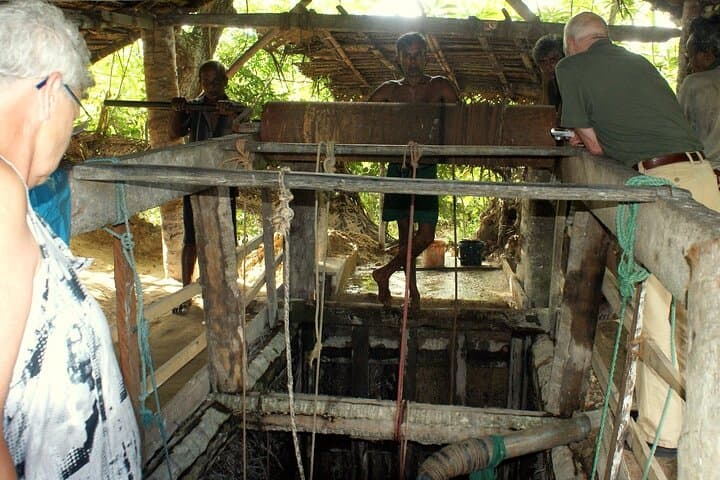
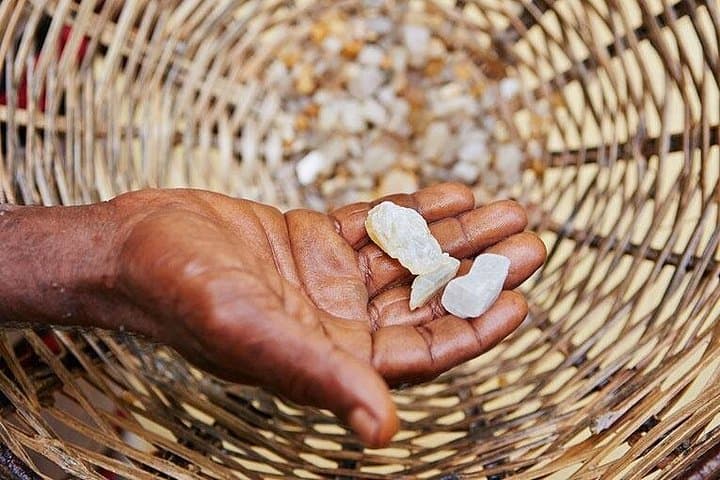
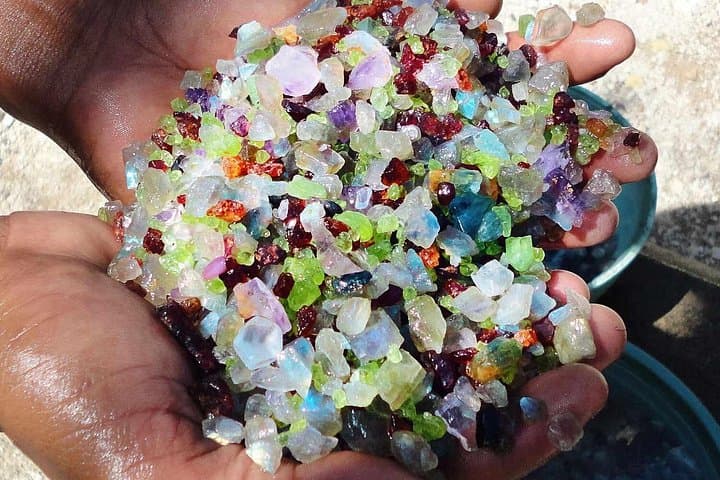
A salty wind from the Indian Ocean follows the dirt road into Meetiyagoda, and the first sight is not a cavern but shallow pits and waist-high sluices where water runs like a silver ribbon through the mining beds. You step up to watch miners shovel dark sand and gravel into sieves; sunlight picks out pearly flashes from the sluice and a small stone glows white and blue in a palm.
A salty wind from the Indian Ocean follows the dirt road into Meetiyagoda, and the first sight is not a cavern but shallow pits and waist-high sluices where water runs like a silver ribbon through the mining beds. You step up to watch miners shovel dark sand and gravel into sieves; sunlight picks out pearly flashes from the sluice and a small stone glows white and blue in a palm.
Meetiyagoda’s moonstones are part geology and part local craft: Sri Lankan moonstone is a type of feldspar prized for adularescence, and miners here have been extracting gems and bead-grade stones for generations. The village sits on coastal alluvial deposits—low-elevation pits and terraces carved by water—so you’ll see hands-on sorting, basic lapidary work and jewelry making across tiny workshops.
Culturally, this is a working gem zone tied to the broader gem trade of the Galle district; expect straightforward commerce, family-run stalls and artisans turning rough finds into settings within hours.
Practical guidance: the tour runs about 2–3 hours with roughly 90–120 minutes on-site. Surfaces are sandy and often wet—closed-toe shoes with grip and quick-dry clothing are sensible. Bring cash for small purchases and modest bargaining; photography is permitted but ask before shooting close-up of workers. The site is low-elevation and accessible by vehicle; shade is limited so plan early morning visits to avoid heat and mid-day glare. Respect working areas, avoid touching raw equipment, and if you buy stones, request basic provenance and a simple receipt. With attention to safety and etiquette, Meetiyagoda offers a clear, tactile window into Sri Lanka’s gemcraft tradition.