THE ADVENTURE COLLECTIVE® · Independent discovery and booking for outdoor travel

Walk hand in hand through Managua’s waterfront boulevards, market lanes, and historic plazas on a private four‑hour tour designed for couples. Time the route around sunset to catch lake views and the city’s evening pulse.
Walk hand in hand through Managua’s waterfront boulevards, market lanes, and historic plazas on a private four‑hour tour designed for couples. Time the route around sunset to catch lake views and the city’s evening pulse.
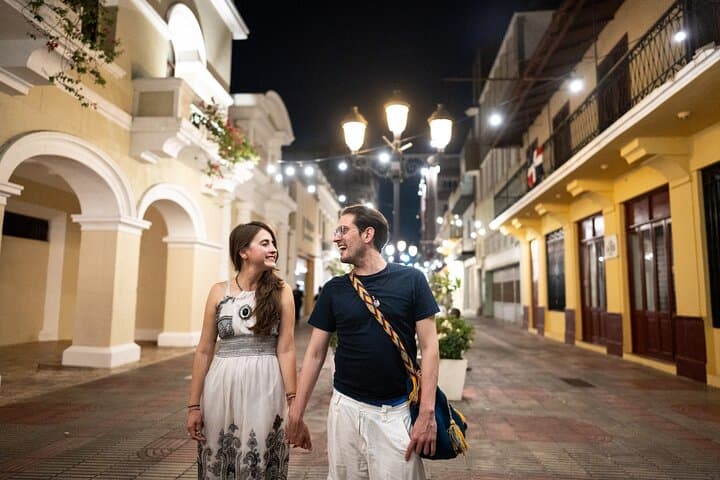
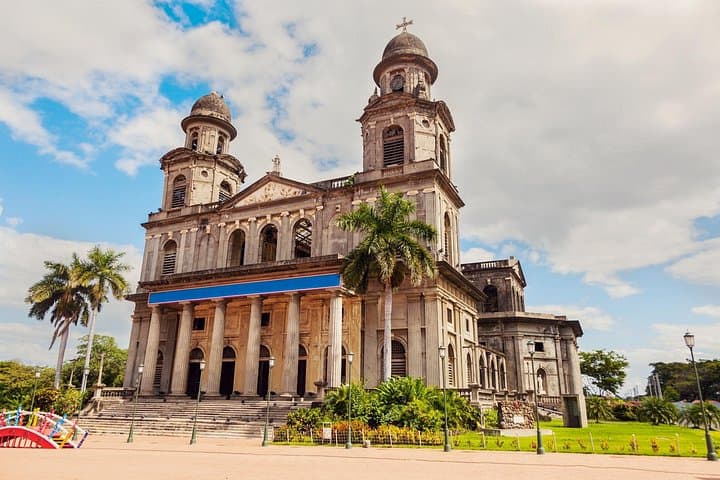
The city exhales at twilight: the shorelines of Lake Managua reflect sodium streetlights while couples drift along Paseo Xolotlán, and the hulking silhouette of the old cathedral holds stories in its fractured concrete bones. On this private four‑hour walking tour, the city becomes a backdrop for quiet discovery—hands linked through market alleys, slow stops at historic plazas, and a pause above Laguna de Tiscapa to watch the city tilt into night.
Verified experiences and guided adventures in the surrounding area.
Operated by Opatrip.com Nicaragua · Managua, Managua Department
The city exhales at twilight: the shorelines of Lake Managua reflect sodium streetlights while couples drift along Paseo Xolotlán, and the hulking silhouette of the old cathedral holds stories in its fractured concrete bones. On this private four‑hour walking tour, the city becomes a backdrop for quiet discovery—hands linked through market alleys, slow stops at historic plazas, and a pause above Laguna de Tiscapa to watch the city tilt into night.
Managua’s streets tell a layered history: pre‑Columbian settlement, colonial restructuring, and seismic reinvention after the 1972 earthquake that reshaped urban life and architecture. Geologically the basin sits on volcanic soils and fault lines, which explains the patchwork of modern and ruined structures. Culturally you’ll encounter a direct, lively strain of Nicaraguan life—vendors at Mercado Roberto Huembes, stadium chants if a game’s on, and the solemn cadence of mass at the new cathedral.
Practical guidance: the route is mostly paved and flat, suitable for most fitness levels, but expect crowded market lanes and some uneven sidewalks near older sites. Time this walk for late afternoon into evening to catch the sunset on the waterfront and cooler temperatures. Carry small bills for crafts and snacks, wear grippy shoes for damp promenade surfaces, and dress respectfully for religious sites. Guides provide local context that turns landmarks—Palacio Nacional, the National Museum, Tiscapa park—into readable chapters of the city’s past.
This is a low‑impact urban outing: observe local customs, pack out waste, and support neighborhood businesses for an experience that benefits both travelers and residents.
easy.
4 hours.
Suitable for most fitness levels; requires ability to walk 2–3 miles with short stops and some standing.
The tour is rated easy but includes uneven sidewalks and market lanes; contact the operator in advance to discuss accessibility and pickup options.
Guides typically speak Spanish; English‑speaking guides may be available—confirm when booking.
The itinerary notes museum visits but admissions are generally not included—confirm with the supplier if you want tickets arranged.
Stick to the guided route, avoid displaying valuables, and follow local guidance on which neighborhoods to avoid after dark; the private guide will manage timing and routes for safety.
Managua rebuilt itself after a major 1972 earthquake; many landmarks combine preserved colonial elements with modern structures that reflect the city’s resilience.
Support local vendors and avoid single‑use plastics during market visits; the lagoon and waterfront areas benefit from responsible tourist behavior and waste reduction.
Opatrip.com Nicaragua operates guided outdoor trips and adventures with an emphasis on safety, stewardship, and memorable experiences.

The city exhales at twilight: the shorelines of Lake Managua reflect sodium streetlights while couples drift along Paseo Xolotlán, and the hulking silhouette of the old cathedral holds stories in its fractured concrete bones. On this private four‑hour walking tour, the city becomes a backdrop for quiet discovery—hands linked through market alleys, slow stops at historic plazas, and a pause above Laguna de Tiscapa to watch the city tilt into night.
The city exhales at twilight: the shorelines of Lake Managua reflect sodium streetlights while couples drift along Paseo Xolotlán, and the hulking silhouette of the old cathedral holds stories in its fractured concrete bones. On this private four‑hour walking tour, the city becomes a backdrop for quiet discovery—hands linked through market alleys, slow stops at historic plazas, and a pause above Laguna de Tiscapa to watch the city tilt into night.
Managua’s streets tell a layered history: pre‑Columbian settlement, colonial restructuring, and seismic reinvention after the 1972 earthquake that reshaped urban life and architecture. Geologically the basin sits on volcanic soils and fault lines, which explains the patchwork of modern and ruined structures. Culturally you’ll encounter a direct, lively strain of Nicaraguan life—vendors at Mercado Roberto Huembes, stadium chants if a game’s on, and the solemn cadence of mass at the new cathedral.
Practical guidance: the route is mostly paved and flat, suitable for most fitness levels, but expect crowded market lanes and some uneven sidewalks near older sites. Time this walk for late afternoon into evening to catch the sunset on the waterfront and cooler temperatures. Carry small bills for crafts and snacks, wear grippy shoes for damp promenade surfaces, and dress respectfully for religious sites. Guides provide local context that turns landmarks—Palacio Nacional, the National Museum, Tiscapa park—into readable chapters of the city’s past.
This is a low‑impact urban outing: observe local customs, pack out waste, and support neighborhood businesses for an experience that benefits both travelers and residents.