THE ADVENTURE COLLECTIVE® · Independent discovery and booking for outdoor travel

Board a small boat after dusk and watch the Luminous Lagoon respond to movement with electric-blue flashes. This night tour from Montego Bay pairs local guides with optional swims through shallow, glowing water.
Board a small boat after dusk and watch the Luminous Lagoon respond to movement with electric-blue flashes. This night tour from Montego Bay pairs local guides with optional swims through shallow, glowing water.
A warm night in Jamaica tightens the air as the van drops you at the water’s edge and the lagoon waits like an unlit lamp. Guides move with practiced calm; the boat slips away from shore and the surface, disturbed by oars and feet, begins to answer in blue—tiny organisms flaring like the sky’s reflection coming alive.
Verified experiences and guided adventures in the surrounding area.
Operated by Premier Transfers and Tours · Falmouth, Trelawny Parish
A warm night in Jamaica tightens the air as the van drops you at the water’s edge and the lagoon waits like an unlit lamp. Guides move with practiced calm; the boat slips away from shore and the surface, disturbed by oars and feet, begins to answer in blue—tiny organisms flaring like the sky’s reflection coming alive.
The Luminous Lagoon sits where saltwater meets mangrove-fed freshwater near Falmouth and Montego Bay. The glow is produced by dinoflagellates—microscopic plankton that bioluminesce when agitated. The lagoon’s behavior combines local geology (shallow, sheltered basin) with centuries of coastal change; the surrounding parish grew wealthy in the sugar era and today supports small fishing communities and tourism operations.
Culturally, night tours have become part science lesson, part local storytelling: guides explain the organisms and share maritime snippets about Falmouth’s Georgian port and the Trelawny coastline. The experience is sensory—cool laps of saltwater, the soft slap of waves against the hull, and a sky that stays dark enough for the water to steal the show.
Practical guidance: boats typically depart after dusk and run 2–3 hours door-to-door from Montego Bay. Swimming is optional; the lagoon averages 3–8 feet deep and has a soft, silty bottom. Wear water shoes, bring a towel and insect repellent, and avoid lotions or sunscreens before entering the water to reduce contamination. Expect guides to offer pickup, life jackets, and a short orientation; check cancellation and pickup details when booking. The glow is strongest on moonless nights with calm water—plan for late-evening departures and dress in light layers for the breeze on the boat.
easy.
2–3 hours.
Suitable for most fitness levels; minimal walking and short boat transfers are required
Yes—swimming is optional and allowed on most tours; water is shallow (around 3–8 feet) but has a soft, silty bottom so water shoes are recommended.
The dinoflagellates are harmless to humans; follow guide instructions and avoid using soaps or lotions that could affect the organisms.
Boat time to the glow area typically runs 30–60 minutes each way depending on the launch point; total tour time including pickup is usually 2–3 hours.
Standard phone cameras often struggle in low light; long-exposure settings or action cameras with night modes work better—protect gear from splashes with a waterproof case.
The lagoon sits near Falmouth and Trelawny, an area shaped by 18th–19th century sugar trade; the port’s historic buildings hint at the parish’s mercantile past.
Operators usually ask guests not to use sunscreens or soaps before swimming and to follow guide instructions to minimize disturbance to the dinoflagellates and mangrove habitat.
Premier Transfers and Tours operates guided outdoor trips and adventures with an emphasis on safety, stewardship, and memorable experiences.
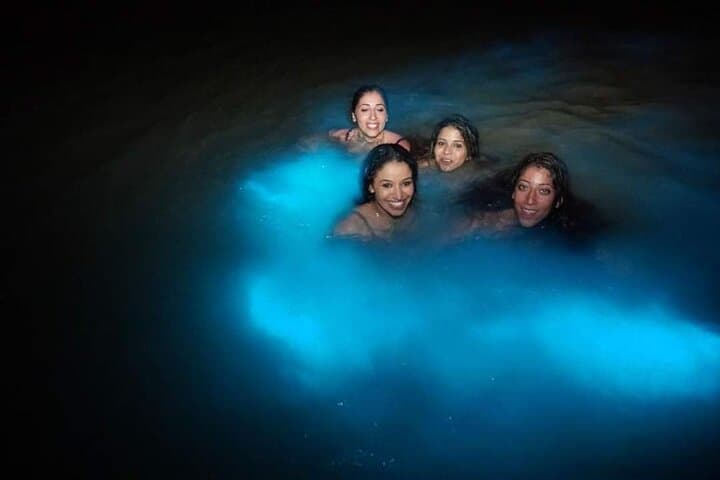
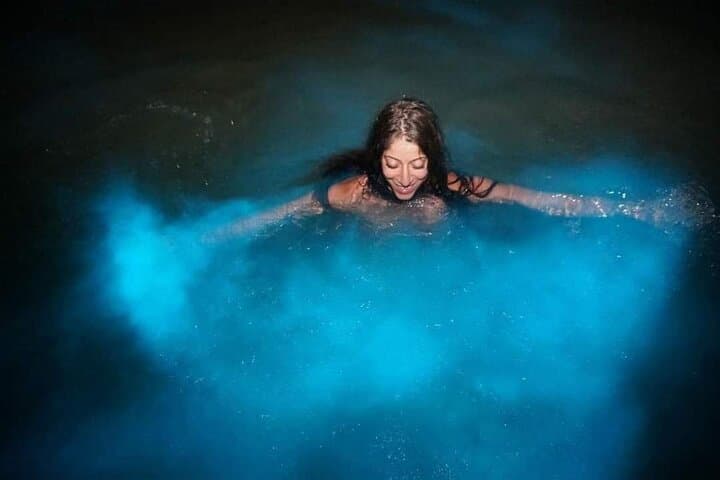
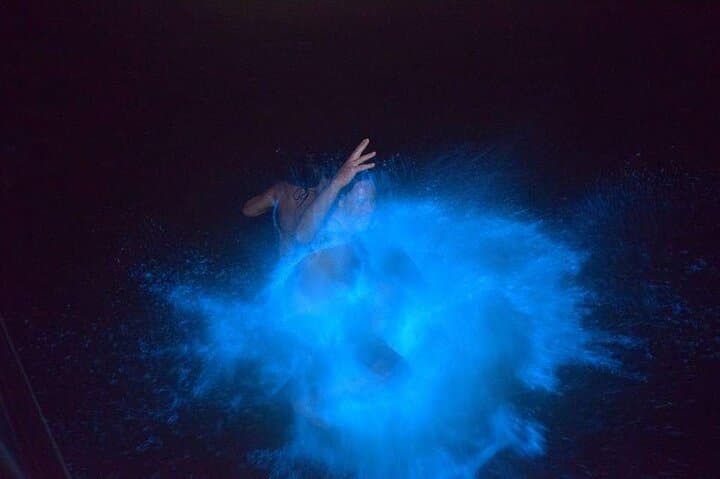
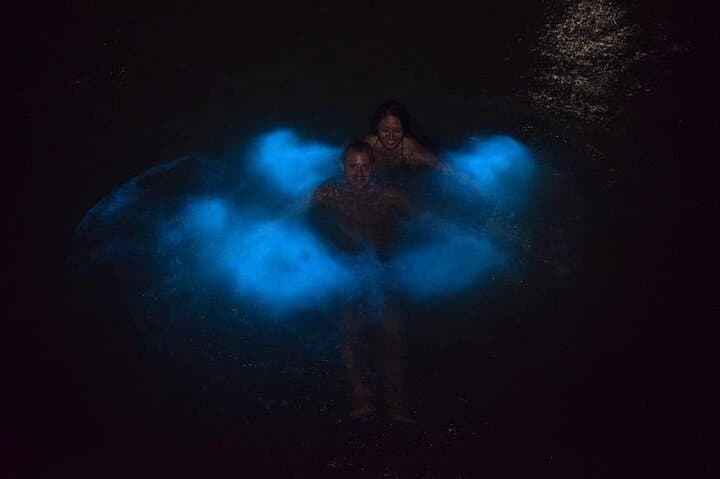
A warm night in Jamaica tightens the air as the van drops you at the water’s edge and the lagoon waits like an unlit lamp. Guides move with practiced calm; the boat slips away from shore and the surface, disturbed by oars and feet, begins to answer in blue—tiny organisms flaring like the sky’s reflection coming alive.
A warm night in Jamaica tightens the air as the van drops you at the water’s edge and the lagoon waits like an unlit lamp. Guides move with practiced calm; the boat slips away from shore and the surface, disturbed by oars and feet, begins to answer in blue—tiny organisms flaring like the sky’s reflection coming alive.
The Luminous Lagoon sits where saltwater meets mangrove-fed freshwater near Falmouth and Montego Bay. The glow is produced by dinoflagellates—microscopic plankton that bioluminesce when agitated. The lagoon’s behavior combines local geology (shallow, sheltered basin) with centuries of coastal change; the surrounding parish grew wealthy in the sugar era and today supports small fishing communities and tourism operations.
Culturally, night tours have become part science lesson, part local storytelling: guides explain the organisms and share maritime snippets about Falmouth’s Georgian port and the Trelawny coastline. The experience is sensory—cool laps of saltwater, the soft slap of waves against the hull, and a sky that stays dark enough for the water to steal the show.
Practical guidance: boats typically depart after dusk and run 2–3 hours door-to-door from Montego Bay. Swimming is optional; the lagoon averages 3–8 feet deep and has a soft, silty bottom. Wear water shoes, bring a towel and insect repellent, and avoid lotions or sunscreens before entering the water to reduce contamination. Expect guides to offer pickup, life jackets, and a short orientation; check cancellation and pickup details when booking. The glow is strongest on moonless nights with calm water—plan for late-evening departures and dress in light layers for the breeze on the boat.