THE ADVENTURE COLLECTIVE® · Independent discovery and booking for outdoor travel

Head out of the resort lights for a relaxed night drive to Soufrière: panoramic viewpoints, a stop near the island’s volcanic features, and a dinner at a local restaurant that showcases Creole cooking. This short private tour offers atmosphere and context without the effort of a hike.
Head out of the resort lights for a relaxed night drive to Soufrière: panoramic viewpoints, a stop near the island’s volcanic features, and a dinner at a local restaurant that showcases Creole cooking. This short private tour offers atmosphere and context without the effort of a hike.
Night in Soufrière has a low, patient hum: headlamps pick out palms along the coastal road, and the massif of the Pitons sits as a dark shape against a sky full of stars. Guests are collected from northern hotels and driven by an air-conditioned vehicle toward the town; the road eases up into viewpoints where the guide pauses for a panoramic look at the lights below and a first briefing on the night’s itinerary.
Verified experiences and guided adventures in the surrounding area.
Operated by DeTour Saint Lucia · Soufriere, Soufrière Quarter
Night in Soufrière has a low, patient hum: headlamps pick out palms along the coastal road, and the massif of the Pitons sits as a dark shape against a sky full of stars. Guests are collected from northern hotels and driven by an air-conditioned vehicle toward the town; the road eases up into viewpoints where the guide pauses for a panoramic look at the lights below and a first briefing on the night’s itinerary.
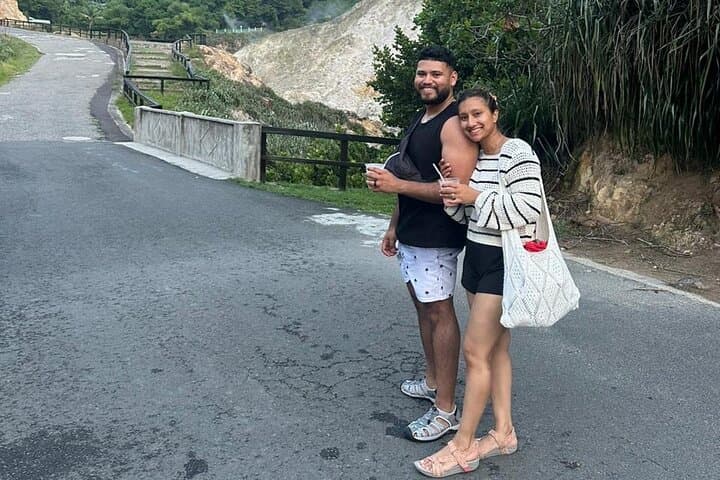
Soufrière’s modern story is written in steam and stone. The town grew around geothermal activity—there’s a drive-in volcano at the edge of town where fumaroles vent sulfurous breath—and the two Pitons are remnants of volcanic domes that define the shoreline. Culturally, Soufrière is small and food-forward: family restaurants serve Creole stews, fresh fish and local rum punches, and visiting after dark reveals a quieter, more intimate side of island life.
Expect a relaxed, mostly seated evening that blends short scenic stops with a sit-down dinner. The guide provides local history and points out geological features; cameras do well at viewing benches. Practicalities are simple: the tour lasts about 4–5 hours, vehicles are air-conditioned and Wi‑Fi equipped, and bottled water is provided.
Pack a light jacket for coastal breezes, a headlamp or flashlight for short walks, and modest cash for tips or extra snacks. The experience suits travelers who prefer discovery without strenuous hiking—an accessible way to feel the island’s volcanic heartbeat and taste Soufrière after dark.
easy.
4–5 hours.
Suitable for all fitness levels; involves short standing or walking at viewpoints
Pickup times vary by hotel location in the northern corridor; you’ll receive a pickup window and your driver’s name the day before—confirm your exact pickup point when booking.
Yes—the tour notes stroller access and infant seats are available; keep children supervised at viewpoints and near geothermal sites.
The tour includes private transportation, a guided scenic drive with stops, a sit-down dinner, bottled water, soda and some alcoholic beverages, and onboard Wi‑Fi.
The cancellation policy requires 24-hour notice for a full refund; the operator may proceed in light rain but won’t cancel for typical tropical showers—confirm weather contingency with your provider.
Soufrière developed around geothermal springs and sugar plantations; the bay and the Pitons were crucial to pre-colonial and colonial settlement patterns.
Visitors should stay on marked paths near fumaroles and avoid collecting geological samples; responsible dining supports local businesses and reduces travel footprints.
DeTour Saint Lucia operates guided outdoor trips and adventures with an emphasis on safety, stewardship, and memorable experiences.
Night in Soufrière has a low, patient hum: headlamps pick out palms along the coastal road, and the massif of the Pitons sits as a dark shape against a sky full of stars. Guests are collected from northern hotels and driven by an air-conditioned vehicle toward the town; the road eases up into viewpoints where the guide pauses for a panoramic look at the lights below and a first briefing on the night’s itinerary.
Night in Soufrière has a low, patient hum: headlamps pick out palms along the coastal road, and the massif of the Pitons sits as a dark shape against a sky full of stars. Guests are collected from northern hotels and driven by an air-conditioned vehicle toward the town; the road eases up into viewpoints where the guide pauses for a panoramic look at the lights below and a first briefing on the night’s itinerary.
Soufrière’s modern story is written in steam and stone. The town grew around geothermal activity—there’s a drive-in volcano at the edge of town where fumaroles vent sulfurous breath—and the two Pitons are remnants of volcanic domes that define the shoreline. Culturally, Soufrière is small and food-forward: family restaurants serve Creole stews, fresh fish and local rum punches, and visiting after dark reveals a quieter, more intimate side of island life.
Expect a relaxed, mostly seated evening that blends short scenic stops with a sit-down dinner. The guide provides local history and points out geological features; cameras do well at viewing benches. Practicalities are simple: the tour lasts about 4–5 hours, vehicles are air-conditioned and Wi‑Fi equipped, and bottled water is provided.
Pack a light jacket for coastal breezes, a headlamp or flashlight for short walks, and modest cash for tips or extra snacks. The experience suits travelers who prefer discovery without strenuous hiking—an accessible way to feel the island’s volcanic heartbeat and taste Soufrière after dark.