THE ADVENTURE COLLECTIVE® · Independent discovery and booking for outdoor travel

Explore Namibia’s Moon Landscape on a private half-day tour from Swakopmund. See river-carved canyons, ancient Welwitschia plants, and desert wildlife while a local guide explains geology, culture, and conservation.
Explore Namibia’s Moon Landscape on a private half-day tour from Swakopmund. See river-carved canyons, ancient Welwitschia plants, and desert wildlife while a local guide explains geology, culture, and conservation.
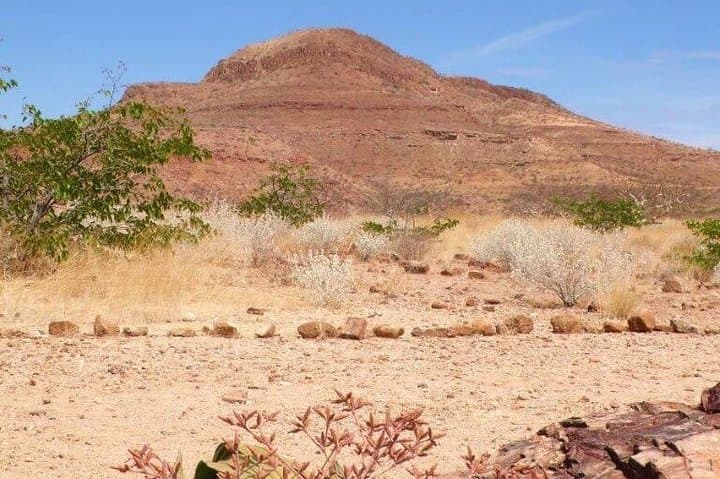
Dust kicks up as the private vehicle eases away from Swakopmund and the coastline falls behind; the desert opens like a page of exposed rock and sand. Low ridges and carved canyons reveal lines cut by ancient rivers that still seem to argue with the wind. The guide pauses at outcrops where granite and sediment meet, pointing out grooves and fractures that tell of epochs when water dared to shape stone.
Verified experiences and guided adventures in the surrounding area.
Operated by Opatrip.com Namibia · Swakopmund, Erongo
Dust kicks up as the private vehicle eases away from Swakopmund and the coastline falls behind; the desert opens like a page of exposed rock and sand. Low ridges and carved canyons reveal lines cut by ancient rivers that still seem to argue with the wind. The guide pauses at outcrops where granite and sediment meet, pointing out grooves and fractures that tell of epochs when water dared to shape stone.
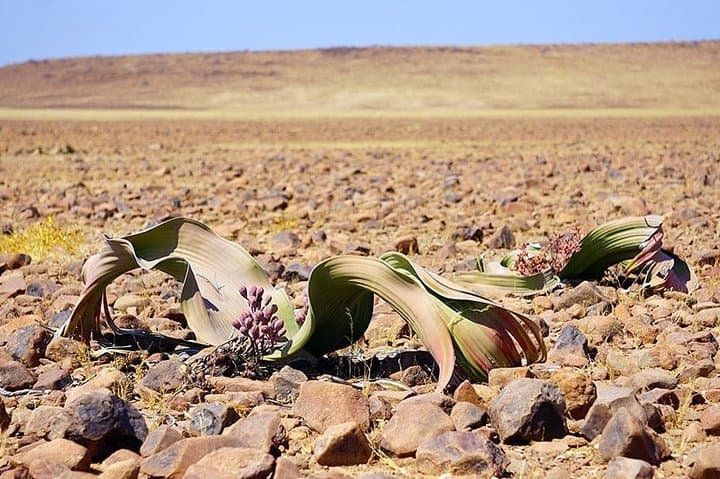
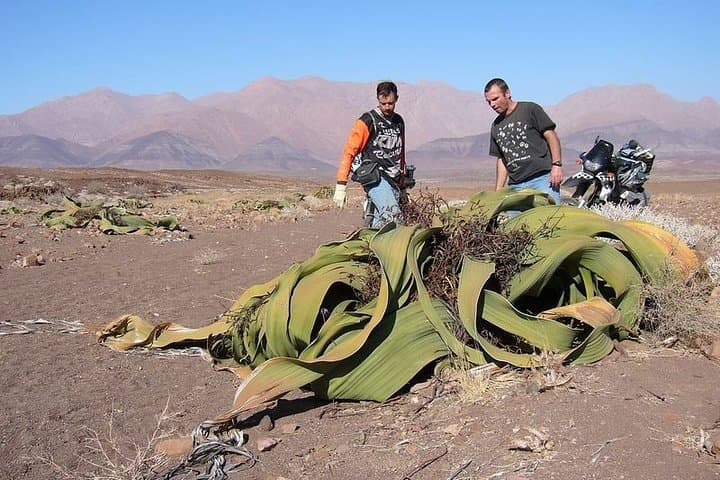
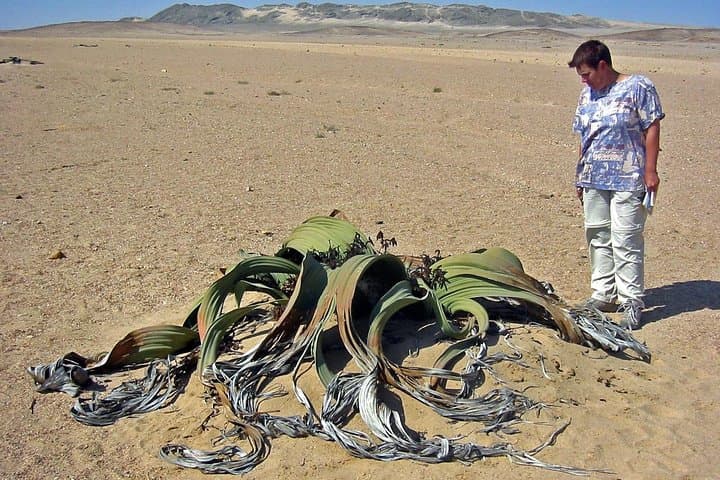
Geology here reads like a field guide: river-cut canyons, wind-polished ridges, and scattering of aeolian dunes. The Welwitschia mirabilis—odd, strap-leaved survivors—anchor the landscape, living fossils adapted to extract moisture from fog. Wildlife is sparse but striking: springbok prance on gravel plains, ostrich patrol open flats, and the nimble klipspringer perches on rocky teeth.
Culturally the coastal desert sits within the Erongo region where pastoral and fishing traditions meet modern conservation efforts; guides often weave local stories about land use and the challenges of development beside preservation.
Practically, this is a relaxed half-day private excursion: mostly scenic drives with short roadside walks, minimal elevation change, and solid dirt roads. Expect bright sun, sudden gusts of sand, and a dramatic sunset if timing aligns. Bring sun protection, layered windbreakers for late-afternoon chills, plenty of water, and sturdy shoes for short hikes over rough rock. The tour includes hotel pickup, park fees, and a local guide, so the logistics are simple—what remains is to listen to the desert, watch the land shift with the light, and learn how a fragile ecosystem endures on the edge of the ocean.
easy.
5 hours.
Suitable for most fitness levels; mostly seated in vehicle with brief, easy walks over rocky ground.
The private tour runs about 5 hours and typically includes private transport, park entrance fees, beverages, a professional local guide, and hotel pickup/drop-off.
Walking is short and easy—mostly roadside stops and brief hikes over rock with minimal elevation gain, suitable for most visitors.
Yes; guides stop at populations of Welwitschia mirabilis where you can observe these ancient plants and learn about their adaptations, but avoid disturbing them.
The tour is suitable for families and those with limited mobility for the most part, though some stops are on uneven ground; notify the operator of mobility needs when booking.
Rivers and wind have sculpted the Moon Landscape over millions of years; local communities of the Erongo region have long adapted livelihoods around coastal and desert resources.
The area is sensitive to off-road vehicles and trampling around rare plants; guided tours that include park fees help fund protection and minimize impact.
Opatrip.com Namibia operates guided outdoor trips and adventures with an emphasis on safety, stewardship, and memorable experiences.
Dust kicks up as the private vehicle eases away from Swakopmund and the coastline falls behind; the desert opens like a page of exposed rock and sand. Low ridges and carved canyons reveal lines cut by ancient rivers that still seem to argue with the wind. The guide pauses at outcrops where granite and sediment meet, pointing out grooves and fractures that tell of epochs when water dared to shape stone.
Dust kicks up as the private vehicle eases away from Swakopmund and the coastline falls behind; the desert opens like a page of exposed rock and sand. Low ridges and carved canyons reveal lines cut by ancient rivers that still seem to argue with the wind. The guide pauses at outcrops where granite and sediment meet, pointing out grooves and fractures that tell of epochs when water dared to shape stone.
Geology here reads like a field guide: river-cut canyons, wind-polished ridges, and scattering of aeolian dunes. The Welwitschia mirabilis—odd, strap-leaved survivors—anchor the landscape, living fossils adapted to extract moisture from fog. Wildlife is sparse but striking: springbok prance on gravel plains, ostrich patrol open flats, and the nimble klipspringer perches on rocky teeth.
Culturally the coastal desert sits within the Erongo region where pastoral and fishing traditions meet modern conservation efforts; guides often weave local stories about land use and the challenges of development beside preservation.
Practically, this is a relaxed half-day private excursion: mostly scenic drives with short roadside walks, minimal elevation change, and solid dirt roads. Expect bright sun, sudden gusts of sand, and a dramatic sunset if timing aligns. Bring sun protection, layered windbreakers for late-afternoon chills, plenty of water, and sturdy shoes for short hikes over rough rock. The tour includes hotel pickup, park fees, and a local guide, so the logistics are simple—what remains is to listen to the desert, watch the land shift with the light, and learn how a fragile ecosystem endures on the edge of the ocean.