THE ADVENTURE COLLECTIVE® · Independent discovery and booking for outdoor travel

Ride an open-air 4x4 into the restricted heart of Monument Valley with a Navajo guide, visiting John Ford’s Point, Ear of the Wind, Sun’s Eye arch, and experiencing a Hogan musical and weaving demo. This 2.5-hour tour blends geology, culture, and off-road access.
Ride an open-air 4x4 into the restricted heart of Monument Valley with a Navajo guide, visiting John Ford’s Point, Ear of the Wind, Sun’s Eye arch, and experiencing a Hogan musical and weaving demo. This 2.5-hour tour blends geology, culture, and off-road access.
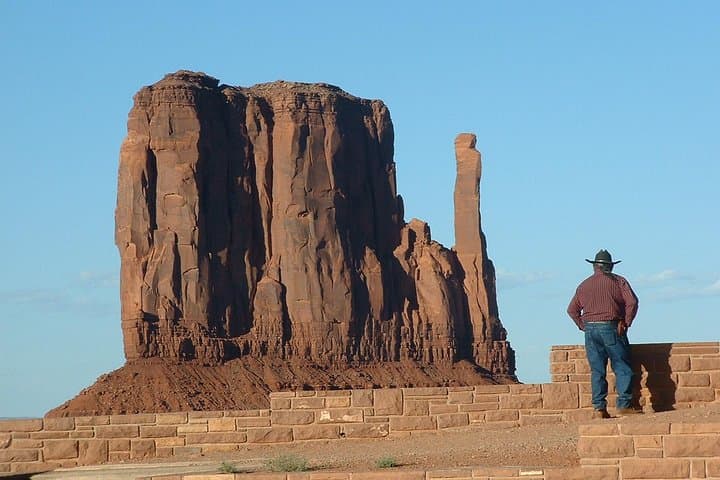
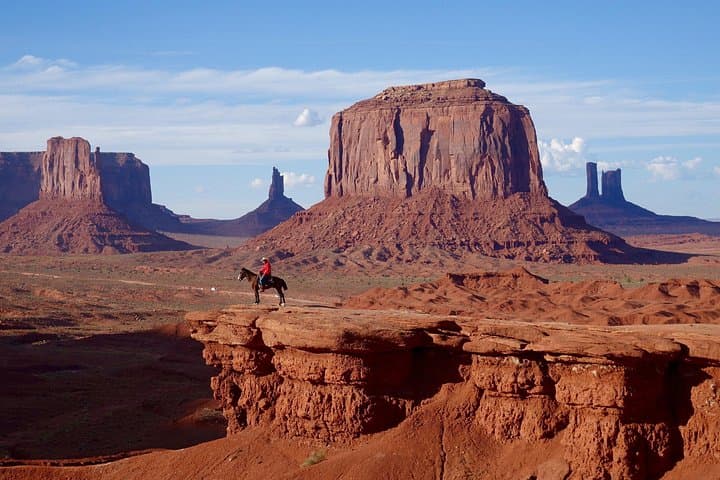
You pull on a windbreaker as the open-air vehicle rattles away from the Visitor Center, the first monoliths rising like slow-moving ships from the red plain. Wind carries dust and a faint scent of sage; the sun pins long shadows across sandstone fins. Your Navajo guide counts off landmarks—John Ford’s Point first, where old Hollywood framed endless horizons—then eases the vehicle down a corrugated track into places off the public loop.
Verified experiences and guided adventures in the surrounding area.
Operated by Monument Valley Simpson's Trailhandler Tours, LLC · Kayenta, Arizona
You pull on a windbreaker as the open-air vehicle rattles away from the Visitor Center, the first monoliths rising like slow-moving ships from the red plain. Wind carries dust and a faint scent of sage; the sun pins long shadows across sandstone fins. Your Navajo guide counts off landmarks—John Ford’s Point first, where old Hollywood framed endless horizons—then eases the vehicle down a corrugated track into places off the public loop.
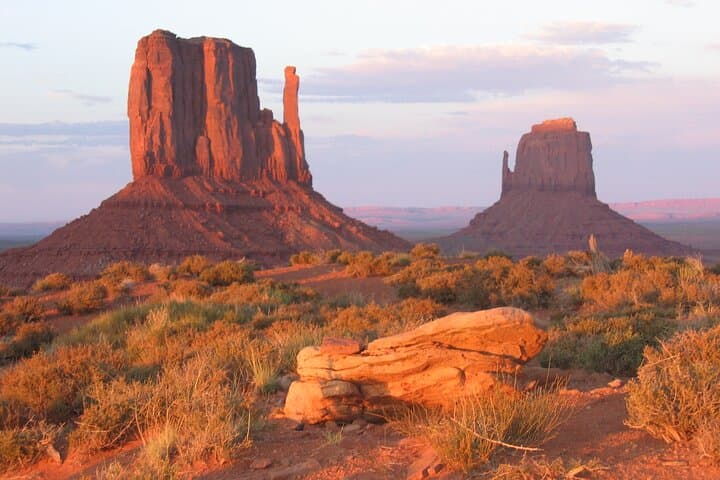
Monument Valley is a carved landscape of Jurassic and Permian sandstones exposed by uplift and erosion. The towers here are not decorative—they’re the exposed ribs of an ancient desert floor, standing because the surrounding rock has worn away. For the Navajo (Diné) people this is living country: a homeland threaded with family histories, songs, and craft. On the 2.5-hour 4x4 tour you move through backcountry routes normally closed to general traffic, visiting Sun’s Eye arch, the Big Hogan amphitheater, and the wind-sculpted Totem Pole and Yei Bi Chei spires.
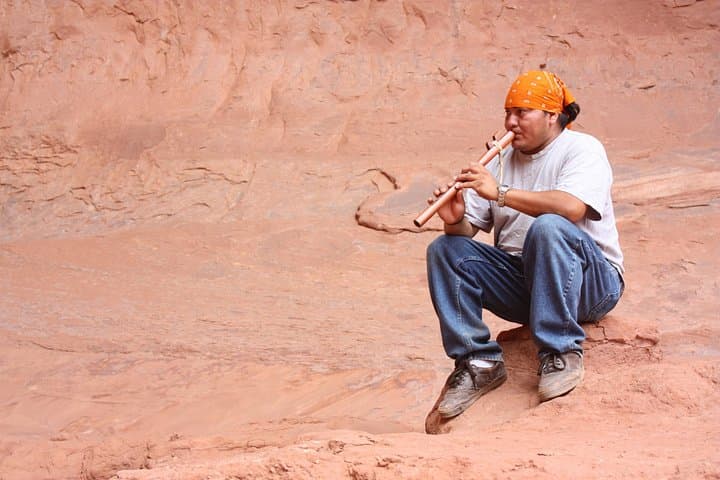
The cultural element is as tangible as the geology. At the Big Hogan you step inside a round, earthen home to hear songs and a short musical performance; nearby a demonstration shows the time-honored techniques of shearing, carding, and hand-weaving wool into rugs. The guide points out Ancestral Puebloan remnants—petroglyphs and the outlines of masonry terraces—connecting the red rock to centuries of human stories.
Practically: expect about 2.5 hours of touring with frequent stops for short walks—sand dune scrambles at Ear of the Wind and easy strolling across packed dirt. Elevation sits near 5,000 ft, so sun and thinner air are factors for sensitive visitors. Vehicles are open-air when weather permits; enclosed vans are used in cold or rainy conditions. Group size is small (up to 15), which keeps access to restricted areas intimate and less impactful.
Bring sun protection, a filled 1–2 liter water bottle, sturdy closed-toe shoes for dune hikes, and a light layer for wind. Cameras thrive at golden hour—arrive prepared with lens cloths for dust. Respect cultural protocols: photograph respectfully when permitted, follow your guide’s instructions inside the Hogan, and avoid touching weaving materials without invitation.
This is not just sightseeing; it’s an invitation to move through a sacred landscape with a local voice guiding context, stories, and survival tips. The red buttes will test your camera skills and patience, but in return they offer a rare combination of cinematic vistas and human connection—an accessible adventure that rewards curiosity and care.
easy.
2–3 hours.
Suitable for most fitness levels; requires short walks on sand and uneven surfaces.
Yes—children are welcome but must be accompanied by an adult; vehicles have limited seating so check capacity when booking.
Layered clothing, sun protection, and closed-toe shoes; in windy or rainy weather operators may use enclosed vans.
Basic facilities are available at the Visitor Center and some stops, but not at every backcountry point—plan accordingly.
Photography is generally allowed but be respectful; follow the guide’s directions and avoid photographing certain ceremonial items when requested.
Tours may be canceled for safety; the operator allows refunds if you cancel at least 24 hours prior or if the tour is called off due to weather.
This tour involves open-air vehicles and short walks on uneven ground; if you have mobility concerns contact the operator to discuss accommodations.
Monument Valley has been home to the Navajo (Diné) for centuries and served as a backdrop to Hollywood Westerns—John Ford popularized many of its viewpoints in American cinema.
Tours are regulated to protect sacred sites and fragile desert soils; stick to vehicle tracks and follow guide instructions to minimize impact.
Monument Valley Simpson's Trailhandler Tours, LLC operates guided outdoor trips and adventures with an emphasis on safety, stewardship, and memorable experiences.
You pull on a windbreaker as the open-air vehicle rattles away from the Visitor Center, the first monoliths rising like slow-moving ships from the red plain. Wind carries dust and a faint scent of sage; the sun pins long shadows across sandstone fins. Your Navajo guide counts off landmarks—John Ford’s Point first, where old Hollywood framed endless horizons—then eases the vehicle down a corrugated track into places off the public loop.
You pull on a windbreaker as the open-air vehicle rattles away from the Visitor Center, the first monoliths rising like slow-moving ships from the red plain. Wind carries dust and a faint scent of sage; the sun pins long shadows across sandstone fins. Your Navajo guide counts off landmarks—John Ford’s Point first, where old Hollywood framed endless horizons—then eases the vehicle down a corrugated track into places off the public loop.
Monument Valley is a carved landscape of Jurassic and Permian sandstones exposed by uplift and erosion. The towers here are not decorative—they’re the exposed ribs of an ancient desert floor, standing because the surrounding rock has worn away. For the Navajo (Diné) people this is living country: a homeland threaded with family histories, songs, and craft. On the 2.5-hour 4x4 tour you move through backcountry routes normally closed to general traffic, visiting Sun’s Eye arch, the Big Hogan amphitheater, and the wind-sculpted Totem Pole and Yei Bi Chei spires.
The cultural element is as tangible as the geology. At the Big Hogan you step inside a round, earthen home to hear songs and a short musical performance; nearby a demonstration shows the time-honored techniques of shearing, carding, and hand-weaving wool into rugs. The guide points out Ancestral Puebloan remnants—petroglyphs and the outlines of masonry terraces—connecting the red rock to centuries of human stories.
Practically: expect about 2.5 hours of touring with frequent stops for short walks—sand dune scrambles at Ear of the Wind and easy strolling across packed dirt. Elevation sits near 5,000 ft, so sun and thinner air are factors for sensitive visitors. Vehicles are open-air when weather permits; enclosed vans are used in cold or rainy conditions. Group size is small (up to 15), which keeps access to restricted areas intimate and less impactful.
Bring sun protection, a filled 1–2 liter water bottle, sturdy closed-toe shoes for dune hikes, and a light layer for wind. Cameras thrive at golden hour—arrive prepared with lens cloths for dust. Respect cultural protocols: photograph respectfully when permitted, follow your guide’s instructions inside the Hogan, and avoid touching weaving materials without invitation.
This is not just sightseeing; it’s an invitation to move through a sacred landscape with a local voice guiding context, stories, and survival tips. The red buttes will test your camera skills and patience, but in return they offer a rare combination of cinematic vistas and human connection—an accessible adventure that rewards curiosity and care.