THE ADVENTURE COLLECTIVE® · Independent discovery and booking for outdoor travel

Ride the cremallera to Montserrat’s monastery, stand before La Moreneta, taste monastery liqueurs and take in cliff-top panoramas. This full‑day trip from the Costa Brava mixes geology, history and short, accessible walks.
Ride the cremallera to Montserrat’s monastery, stand before La Moreneta, taste monastery liqueurs and take in cliff-top panoramas. This full‑day trip from the Costa Brava mixes geology, history and short, accessible walks.
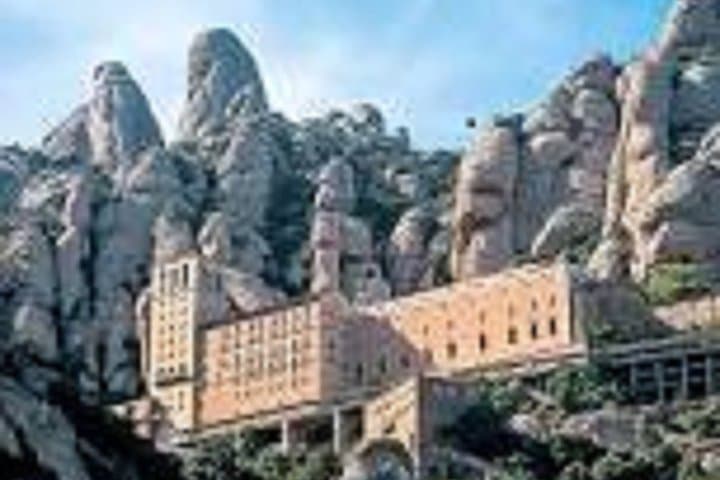
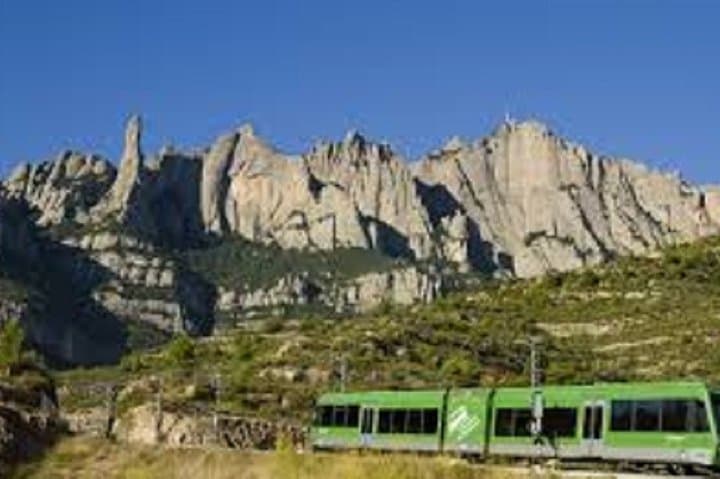
You step off the coach where the road folds into limestone ribs and the mountain pulls the sky down to meet you. Air smells of pine and stone; cliffs jut like folded pages and a narrow rack railway — the cremallera — clacks upward toward the monastery perched on a high ledge. The approach tightens the senses: the basilica’s bells, the murmur of pilgrims and the faint echo of boys’ choir practice if you’re lucky.
Verified experiences and guided adventures in the surrounding area.
Operated by MOVENTIS EXPERIENCE · Montserrat, Catalonia
You step off the coach where the road folds into limestone ribs and the mountain pulls the sky down to meet you. Air smells of pine and stone; cliffs jut like folded pages and a narrow rack railway — the cremallera — clacks upward toward the monastery perched on a high ledge. The approach tightens the senses: the basilica’s bells, the murmur of pilgrims and the faint echo of boys’ choir practice if you’re lucky.
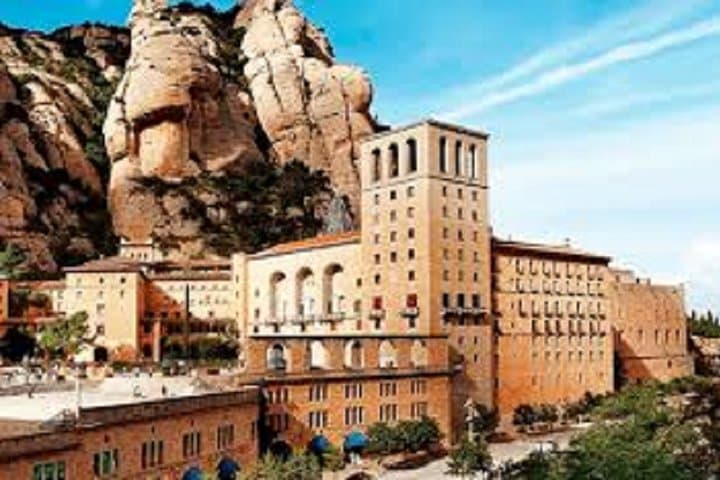
Montserrat’s slopes are a product of ancient marine sediment folded and eroded into rounded needles; people have made a place here for nearly a millennium. The Benedictine abbey became a cultural anchor for Catalonia and the statue of La Moreneta draws visitors for both faith and folklore. Geology and culture overlap — trails cut where pilgrims have walked for centuries, and funiculars climb to viewpoints that reveal the plain to Barcelona and the distant Pyrenees.
Expect a mix of sacred and scenic: a short film about the monastery, time in the basilica to view La Moreneta (the Black Madonna), a tasting of local liqueurs produced by monks, and open ledges with sweeping views. The trip’s rack railway reaches roughly 700 meters elevation; walking is moderate and often on paved or well-maintained stone paths.
Practical tips: wear grippy shoes for uneven stone, bring water and sun protection, and plan for crowds midday. If the boys’ choir calendar matters, check performance dates — they don’t sing late June and July. The route is rewarding for travelers who want one sustained day of culture, geology, and high-mountain views without technical hiking.
moderate.
9 hours.
Moderate — comfortable walking on stairs and short uneven sections; not technical.
The organized excursion runs about 9 hours total door-to-door, including coach transfers and time on the mountain.
Yes — visitors can view the Virgin in the basilica; mass schedules vary and the choir may sing on select mornings.
The cremallera is a scenic, non-technical train that rises to ~700 m; there is some walking on paved or stone surfaces at the top.
There are cafés and small restaurants near the abbey; the tour may include a tasting of Montserrat liqueurs as described.
The Benedictine monastery dates back nearly a thousand years and the Black Madonna (La Moreneta) is a central cultural and religious symbol of Catalonia.
Montserrat’s karst slopes are ecologically sensitive; stick to marked paths, avoid collecting plants and support local conservation initiatives by respecting signage.
MOVENTIS EXPERIENCE operates guided outdoor trips and adventures with an emphasis on safety, stewardship, and memorable experiences.
You step off the coach where the road folds into limestone ribs and the mountain pulls the sky down to meet you. Air smells of pine and stone; cliffs jut like folded pages and a narrow rack railway — the cremallera — clacks upward toward the monastery perched on a high ledge. The approach tightens the senses: the basilica’s bells, the murmur of pilgrims and the faint echo of boys’ choir practice if you’re lucky.
You step off the coach where the road folds into limestone ribs and the mountain pulls the sky down to meet you. Air smells of pine and stone; cliffs jut like folded pages and a narrow rack railway — the cremallera — clacks upward toward the monastery perched on a high ledge. The approach tightens the senses: the basilica’s bells, the murmur of pilgrims and the faint echo of boys’ choir practice if you’re lucky.
Montserrat’s slopes are a product of ancient marine sediment folded and eroded into rounded needles; people have made a place here for nearly a millennium. The Benedictine abbey became a cultural anchor for Catalonia and the statue of La Moreneta draws visitors for both faith and folklore. Geology and culture overlap — trails cut where pilgrims have walked for centuries, and funiculars climb to viewpoints that reveal the plain to Barcelona and the distant Pyrenees.
Expect a mix of sacred and scenic: a short film about the monastery, time in the basilica to view La Moreneta (the Black Madonna), a tasting of local liqueurs produced by monks, and open ledges with sweeping views. The trip’s rack railway reaches roughly 700 meters elevation; walking is moderate and often on paved or well-maintained stone paths.
Practical tips: wear grippy shoes for uneven stone, bring water and sun protection, and plan for crowds midday. If the boys’ choir calendar matters, check performance dates — they don’t sing late June and July. The route is rewarding for travelers who want one sustained day of culture, geology, and high-mountain views without technical hiking.