THE ADVENTURE COLLECTIVE® · Independent discovery and booking for outdoor travel

Board a coach from central Barcelona to Montserrat and spend a focused morning exploring the Benedictine monastery, the Black Madonna, and dramatic rock formations. This guided outing combines transport, a short exhibition, and time for viewpoints—ideal for travelers who want a compact mountain experience without a full-day hike.
Board a coach from central Barcelona to Montserrat and spend a focused morning exploring the Benedictine monastery, the Black Madonna, and dramatic rock formations. This guided outing combines transport, a short exhibition, and time for viewpoints—ideal for travelers who want a compact mountain experience without a full-day hike.
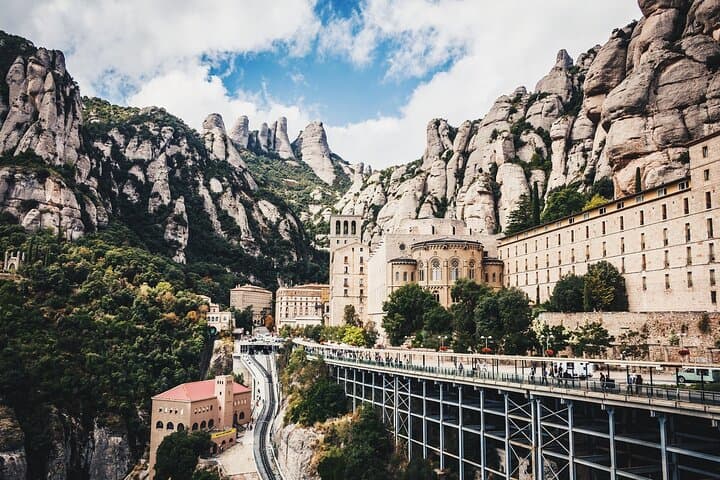
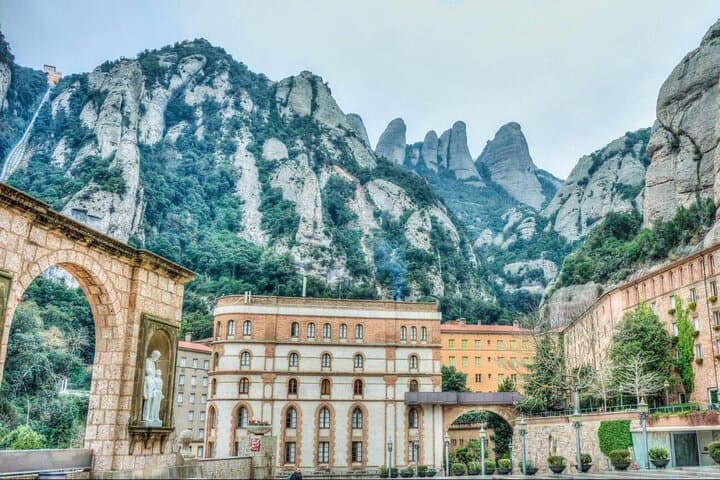
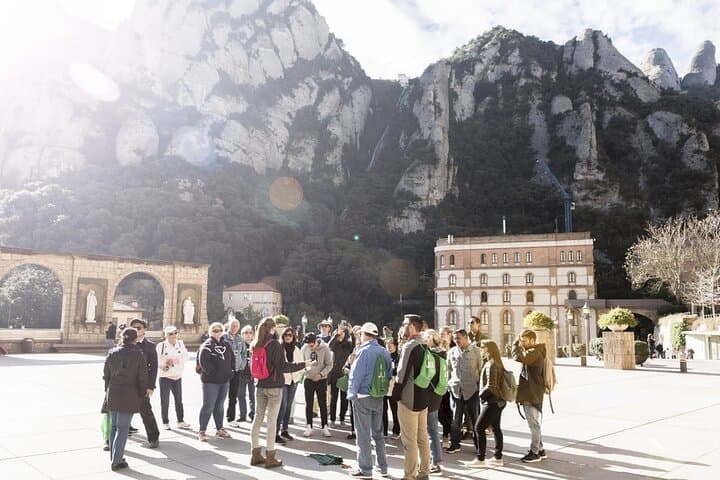
Morning light slants across jagged limestone teeth as a coach peels away from Barcelona and climbs toward Montserrat, the serrated range that slices the Catalan horizon. By the time you step onto the monastery plaza, rounded spires and perpendicular walls take on a deliberate, almost human rhythm—the mountain seems to hold its own breath.
Verified experiences and guided adventures in the surrounding area.
Operated by REMAZ TOURS GmbH · Barcelona, Catalonia
Morning light slants across jagged limestone teeth as a coach peels away from Barcelona and climbs toward Montserrat, the serrated range that slices the Catalan horizon. By the time you step onto the monastery plaza, rounded spires and perpendicular walls take on a deliberate, almost human rhythm—the mountain seems to hold its own breath.
The massif is made of conglomerate sandstone shaped by water and wind into towers and chimneys; its geology explains both the name (mont + serrat) and the unusual, climbing-friendly routes that draw hikers and climbers. Monastic life here is centuries old: a Benedictine community has maintained the abbey since medieval times and the basilica houses La Moreneta, the venerated Black Madonna. Pilgrims and day visitors cross the same stone thresholds that once connected hermit caves, chapels, and medieval tracks—Santa Cova and panoramic ledges give a close sense of that continuity.
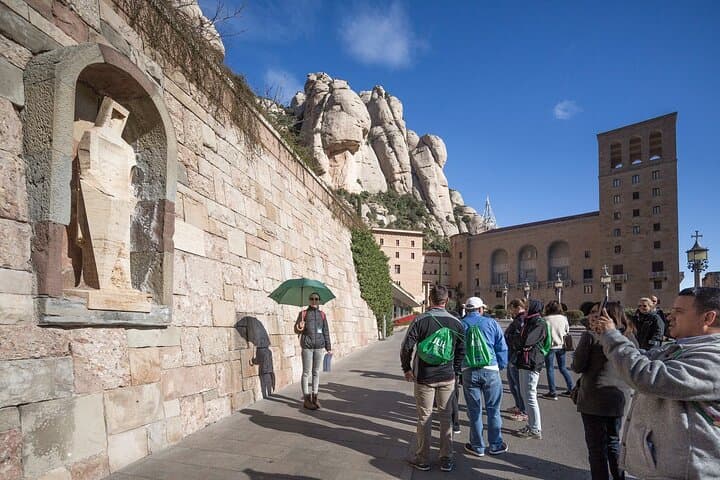
A standard morning tour from central Barcelona lasts about 5–6 hours and combines coach transport, a guided orientation, radio guides, entrance to a short audiovisual exhibition, and time to visit the basilica; optional fast-track access to the Escolania boys’ choir performance is sometimes available. Expect paved plazas, steps, and brief uneven trails; full-summit hikes are beyond the tour’s scope. Practical tips: bring sturdy walking shoes, a refillable water bottle, layered clothing for wind and shade, sun protection, and cash or card for cafés. Confirm choir times and special-access tickets ahead, arrive early if you prefer quieter viewpoints, and follow park signage—Montserrat is a protected natural area.
easy.
5–6 hours.
Suitable for all fitness levels; expect short walks and stairs but no technical hiking on the standard itinerary
Coach travel is about 1–1.5 hours each way depending on traffic; the full morning tour runs roughly 5–6 hours including transit and sightseeing.
Yes—the basilica houses La Moreneta and the tour includes time in the church; special fast-track access may be offered as an optional extra.
Main monastery plazas and parts of the basilica are accessible, but there are stairs and uneven sections; contact the operator in advance to discuss specific needs.
There are cafés and restrooms near the monastery complex, but options are limited on short visits—carry water and a small snack if needed.
Montserrat has been a pilgrimage site since medieval times; the Benedictine abbey dates back centuries and preserves the statue known as La Moreneta.
Declared a protected natural park in 1987, Montserrat limits off-trail travel and promotes responsible visitation to protect fragile rock formations and native vegetation.
REMAZ TOURS GmbH operates guided outdoor trips and adventures with an emphasis on safety, stewardship, and memorable experiences.
Morning light slants across jagged limestone teeth as a coach peels away from Barcelona and climbs toward Montserrat, the serrated range that slices the Catalan horizon. By the time you step onto the monastery plaza, rounded spires and perpendicular walls take on a deliberate, almost human rhythm—the mountain seems to hold its own breath.
Morning light slants across jagged limestone teeth as a coach peels away from Barcelona and climbs toward Montserrat, the serrated range that slices the Catalan horizon. By the time you step onto the monastery plaza, rounded spires and perpendicular walls take on a deliberate, almost human rhythm—the mountain seems to hold its own breath.
The massif is made of conglomerate sandstone shaped by water and wind into towers and chimneys; its geology explains both the name (mont + serrat) and the unusual, climbing-friendly routes that draw hikers and climbers. Monastic life here is centuries old: a Benedictine community has maintained the abbey since medieval times and the basilica houses La Moreneta, the venerated Black Madonna. Pilgrims and day visitors cross the same stone thresholds that once connected hermit caves, chapels, and medieval tracks—Santa Cova and panoramic ledges give a close sense of that continuity.
A standard morning tour from central Barcelona lasts about 5–6 hours and combines coach transport, a guided orientation, radio guides, entrance to a short audiovisual exhibition, and time to visit the basilica; optional fast-track access to the Escolania boys’ choir performance is sometimes available. Expect paved plazas, steps, and brief uneven trails; full-summit hikes are beyond the tour’s scope. Practical tips: bring sturdy walking shoes, a refillable water bottle, layered clothing for wind and shade, sun protection, and cash or card for cafés. Confirm choir times and special-access tickets ahead, arrive early if you prefer quieter viewpoints, and follow park signage—Montserrat is a protected natural area.