THE ADVENTURE COLLECTIVE® · Independent discovery and booking for outdoor travel

A half-day escape from Barcelona to Montserrat blends pilgrimage and scrambling along ancient paths. Expect monastery history, jagged conglomerate peaks and panoramic viewpoints on a guided 6‑hour small-group tour.
A half-day escape from Barcelona to Montserrat blends pilgrimage and scrambling along ancient paths. Expect monastery history, jagged conglomerate peaks and panoramic viewpoints on a guided 6‑hour small-group tour.
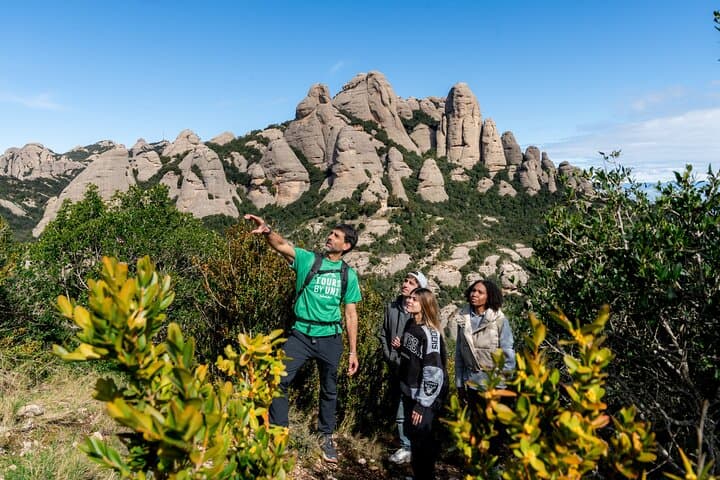
You leave Barcelona as the city blurs into highway and the massif of Montserrat appears like a serrated spine on the horizon—rock ribs catching light as the van climbs toward the monastery.
Verified experiences and guided adventures in the surrounding area.
Operated by Tours by Uni - UNIque Tours Barcelona · Montserrat, Catalonia
You leave Barcelona as the city blurs into highway and the massif of Montserrat appears like a serrated spine on the horizon—rock ribs catching light as the van climbs toward the monastery.
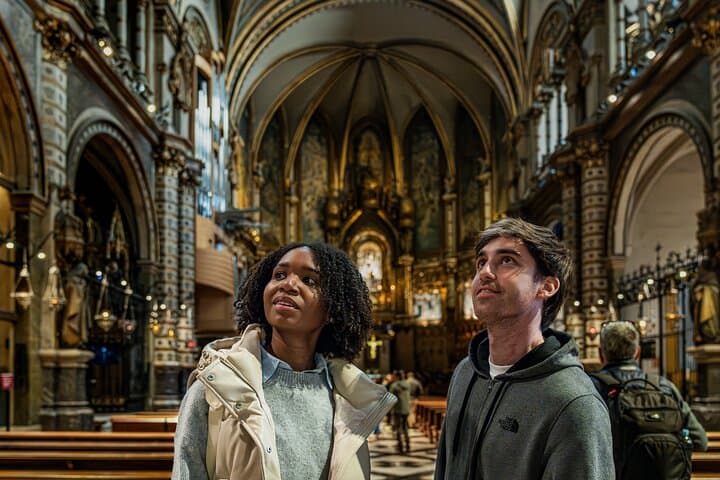
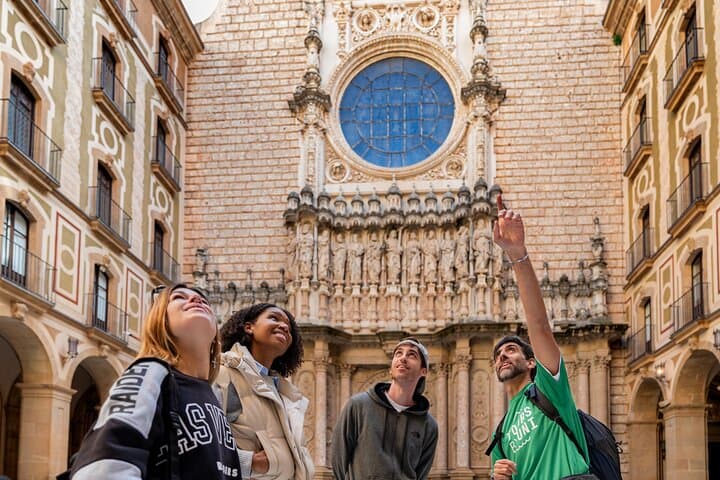
At the monastery courtyard the air changes: incense, stone, and the distant echo of a choir. Montserrat’s Benedictine abbey dates to the 11th century and shelters La Moreneta, the Black Madonna, a cultural anchor for Catalonia. The mountain itself is older than the monastery—conglomerate rock sculpted by millennia of erosion into towers, needles and narrow ravines that funnel wind and water through hidden fissures.
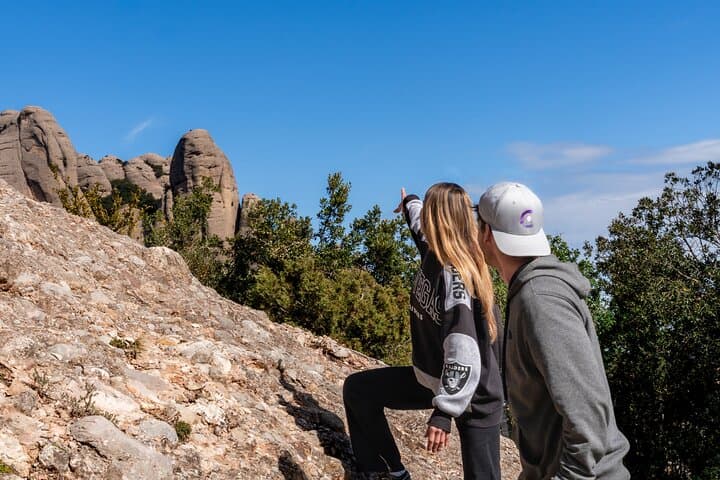
Walking follows footsteps of pilgrims. Trails thread between vertical pillars called agulles and through holm oak and thyme-scented scrub; griffon vultures wheel above while smaller birds flit in the cliffs. Local life is visible in simple ways: monks’ routines, small artisan stalls selling aged cheeses, and the legendary Escolania boys’ choir during services.
Practical guidance: expect a firm, uneven hike of roughly 4–6 km with about 400–700 m of elevation gain if you push to upper viewpoints. The company’s small-group format (max 8) and provided poles ease steeper sections. Wear sturdy shoes, pack 1–1.5 L water, sun protection and a light rain shell — weather shifts fast on exposed rock. Mobile signal is intermittent; carry a map or follow your guide.
Timing matters: mornings bring clearer air for long views; late afternoons cast the pillars in warm light. Leave the trail intact, respect monastic spaces, and plan for a relaxed return to Barcelona after a day that combines history, geology, and a close encounter with Catalan mountain culture.
moderate.
6 hours.
Moderate fitness recommended: steady uphill sections and uneven rocky paths require endurance and sure footing.
The guided hike is about 2 hours on varied terrain, with the full experience—including transport and monastery time—lasting roughly 6 hours.
Yes — entrance to the Montserrat Monastery basilica is included, though access during services may be subject to local schedules.
Moderate fitness is recommended: expect uphill walking on uneven rock; trekking poles are provided to ease the ascent.
Yes — an eight-seater air-conditioned van transports the small group to and from Barcelona; meet-up details are provided at booking.
Montserrat’s monastery was established in the 11th century and became a focal point of Catalan identity, housing the revered Black Madonna (La Moreneta).
Montserrat is a protected natural park—stay on marked trails, carry out waste, and avoid disturbing wildlife to preserve fragile cliff ecosystems.
Tours by Uni - UNIque Tours Barcelona operates guided outdoor trips and adventures with an emphasis on safety, stewardship, and memorable experiences.
You leave Barcelona as the city blurs into highway and the massif of Montserrat appears like a serrated spine on the horizon—rock ribs catching light as the van climbs toward the monastery.
You leave Barcelona as the city blurs into highway and the massif of Montserrat appears like a serrated spine on the horizon—rock ribs catching light as the van climbs toward the monastery.
At the monastery courtyard the air changes: incense, stone, and the distant echo of a choir. Montserrat’s Benedictine abbey dates to the 11th century and shelters La Moreneta, the Black Madonna, a cultural anchor for Catalonia. The mountain itself is older than the monastery—conglomerate rock sculpted by millennia of erosion into towers, needles and narrow ravines that funnel wind and water through hidden fissures.
Walking follows footsteps of pilgrims. Trails thread between vertical pillars called agulles and through holm oak and thyme-scented scrub; griffon vultures wheel above while smaller birds flit in the cliffs. Local life is visible in simple ways: monks’ routines, small artisan stalls selling aged cheeses, and the legendary Escolania boys’ choir during services.
Practical guidance: expect a firm, uneven hike of roughly 4–6 km with about 400–700 m of elevation gain if you push to upper viewpoints. The company’s small-group format (max 8) and provided poles ease steeper sections. Wear sturdy shoes, pack 1–1.5 L water, sun protection and a light rain shell — weather shifts fast on exposed rock. Mobile signal is intermittent; carry a map or follow your guide.
Timing matters: mornings bring clearer air for long views; late afternoons cast the pillars in warm light. Leave the trail intact, respect monastic spaces, and plan for a relaxed return to Barcelona after a day that combines history, geology, and a close encounter with Catalan mountain culture.