THE ADVENTURE COLLECTIVE® · Independent discovery and booking for outdoor travel

Beat the Barcelona crowds with an early departure to Montserrat’s monastery and a family-run cava winery. Combine a guided basilica visit with vineyard 4x4s, a farm-to-table lunch, and a hands-on look at cava production.
Beat the Barcelona crowds with an early departure to Montserrat’s monastery and a family-run cava winery. Combine a guided basilica visit with vineyard 4x4s, a farm-to-table lunch, and a hands-on look at cava production.
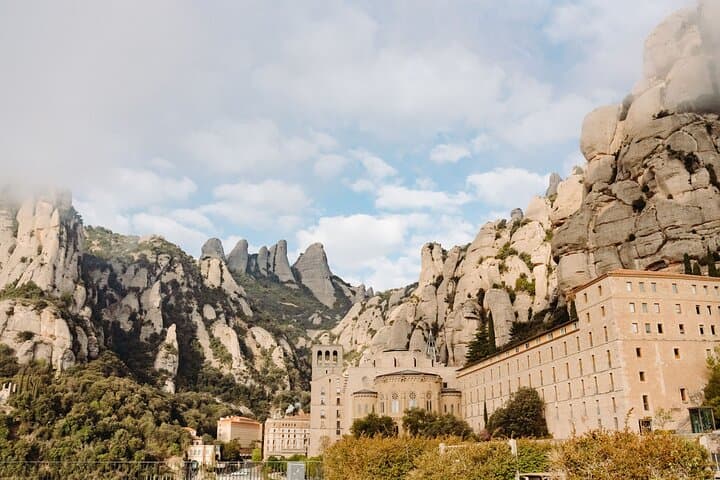
You climb into a small minibus at dawn and the city’s geometry slips away as the road threads into limestone ridges. In an hour the jagged profile of Montserrat appears—sheer, serrated spikes of weathered conglomerate that push the sky into a sharper blue. The basilica sits half-carved into rock; bells and footsteps echo through hollows where pilgrims have walked for centuries.
Verified experiences and guided adventures in the surrounding area.
Operated by Devour Barcelona Food Tours · Montserrat, Catalonia
You climb into a small minibus at dawn and the city’s geometry slips away as the road threads into limestone ridges. In an hour the jagged profile of Montserrat appears—sheer, serrated spikes of weathered conglomerate that push the sky into a sharper blue. The basilica sits half-carved into rock; bells and footsteps echo through hollows where pilgrims have walked for centuries.
Montserrat’s stones are old riverbeds cemented into resistant conglomerate, sculpted by wind and rain into the cliffs you see today. The monastery dates back to the 11th century and houses La Moreneta, the 12th-century Black Madonna that draws pilgrims and quiet reflection. Cultural threads here are Catalan: religious traditions, local markets selling goat cheeses and embotits, and a long history of pilgrimage and art (the museum holds works by Picasso and Dalí).
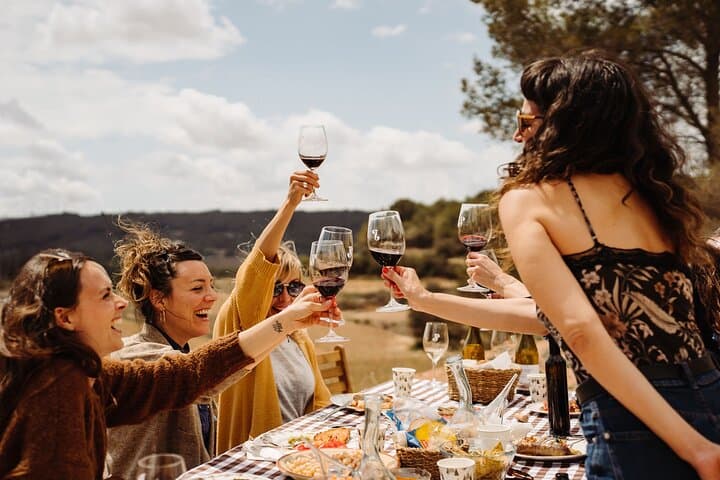
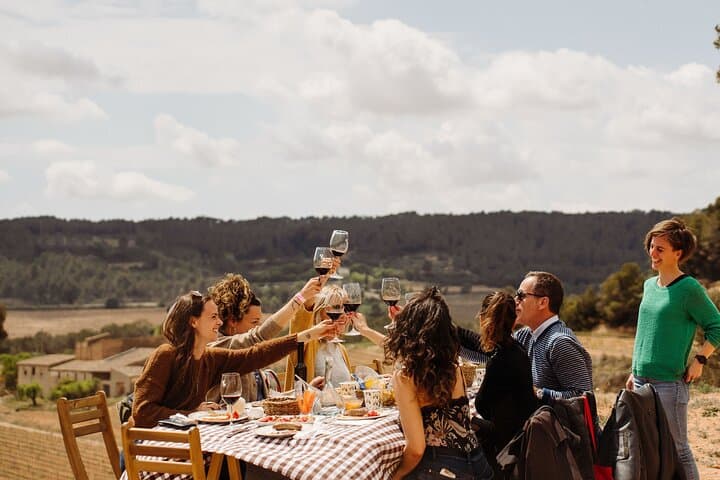
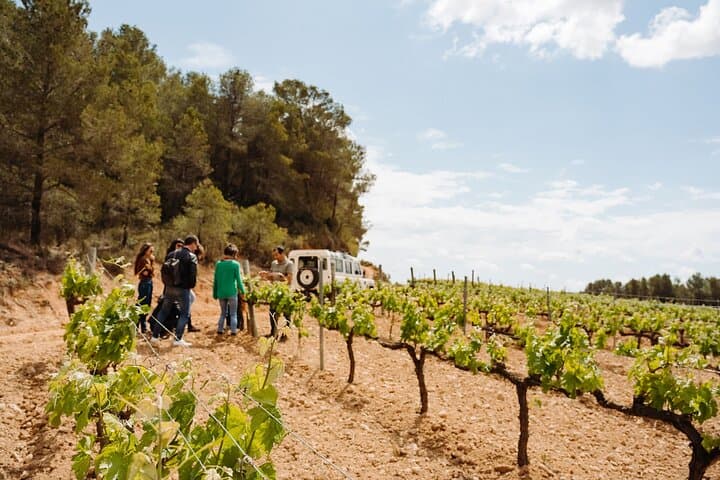
After the monastery visit, the tour moves into the Penedès foothills—Spain’s cava country. Family-run vineyards grow Macabeo, Xarel·lo and Parellada; a 4x4 takes you into rows of vines and the owner often shares hands-on tasks if the season allows. Lunch is simple and regional: farm-to-table plates paired with the bodega’s sparkling and still wines, followed by a look at bottling and labeling.
Practical guidance: expect 7 hours total, moderate walking on uneven stone and steps, bring sun protection and a warm layer for higher winds. Shoulders and knees must be covered to enter the basilica; arrive 15 minutes early, note dietary needs in advance, and carry water for the trails.
easy.
7 hours.
Suitable for most fitness levels—requires walking at a moderate pace, negotiating stairs and uneven stone paths.
The drive is about one hour each way; the full tour lasts around 7 hours including visits and lunch.
Yes—the tour includes Montserrat Basilica admission and guidance to the viewing area for La Moreneta, subject to basilica access rules.
Children are welcome but under-16s must be supervised; the tour is not suitable for wheelchairs or guests unable to walk short distances and climb stairs.
The tour can accommodate many diets (vegetarian, pescatarian, gluten-free not celiac, dairy-free) if you email the operator after booking and sign an allergy waiver at check-in.
Montserrat’s monastery was established in the 11th century and developed as a pilgrimage site around La Moreneta, a 12th-century wooden statue revered by Catalans.
Stick to marked paths to reduce erosion on fragile conglomerate rock and support family bodega practices that often include organic or low-intervention viticulture.
Devour Barcelona Food Tours operates guided outdoor trips and adventures with an emphasis on safety, stewardship, and memorable experiences.
You climb into a small minibus at dawn and the city’s geometry slips away as the road threads into limestone ridges. In an hour the jagged profile of Montserrat appears—sheer, serrated spikes of weathered conglomerate that push the sky into a sharper blue. The basilica sits half-carved into rock; bells and footsteps echo through hollows where pilgrims have walked for centuries.
You climb into a small minibus at dawn and the city’s geometry slips away as the road threads into limestone ridges. In an hour the jagged profile of Montserrat appears—sheer, serrated spikes of weathered conglomerate that push the sky into a sharper blue. The basilica sits half-carved into rock; bells and footsteps echo through hollows where pilgrims have walked for centuries.
Montserrat’s stones are old riverbeds cemented into resistant conglomerate, sculpted by wind and rain into the cliffs you see today. The monastery dates back to the 11th century and houses La Moreneta, the 12th-century Black Madonna that draws pilgrims and quiet reflection. Cultural threads here are Catalan: religious traditions, local markets selling goat cheeses and embotits, and a long history of pilgrimage and art (the museum holds works by Picasso and Dalí).
After the monastery visit, the tour moves into the Penedès foothills—Spain’s cava country. Family-run vineyards grow Macabeo, Xarel·lo and Parellada; a 4x4 takes you into rows of vines and the owner often shares hands-on tasks if the season allows. Lunch is simple and regional: farm-to-table plates paired with the bodega’s sparkling and still wines, followed by a look at bottling and labeling.
Practical guidance: expect 7 hours total, moderate walking on uneven stone and steps, bring sun protection and a warm layer for higher winds. Shoulders and knees must be covered to enter the basilica; arrive 15 minutes early, note dietary needs in advance, and carry water for the trails.