THE ADVENTURE COLLECTIVE® · Independent discovery and booking for outdoor travel

Ascend Montserrat’s serrated ridges from Barcelona on a guided day hike that mixes dramatic geology with centuries-old monastery culture. Choose from multiple routes tailored to fitness and enjoy sweeping valley views and sacred sites in one accessible outing.
Ascend Montserrat’s serrated ridges from Barcelona on a guided day hike that mixes dramatic geology with centuries-old monastery culture. Choose from multiple routes tailored to fitness and enjoy sweeping valley views and sacred sites in one accessible outing.
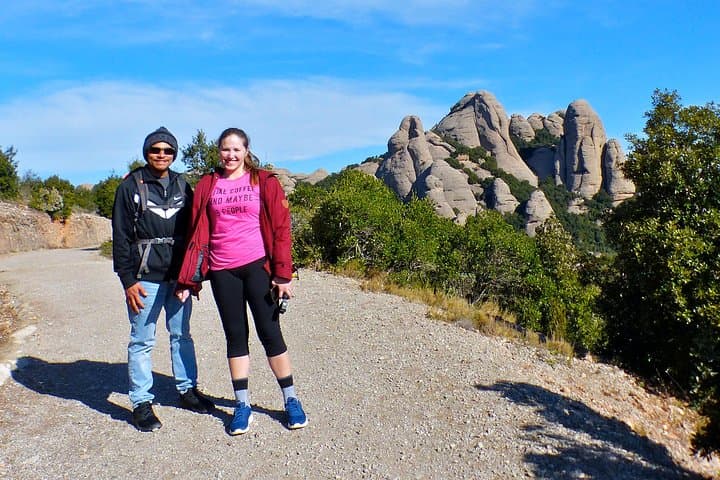
The trail opens with the monastery’s bells drifting through the rock ribs of Montserrat, and the first switchbacks reveal cliffs that look carved by a deliberate hand. Hikers move from olive groves through pinion pines to narrow paths that cling to honeycombed conglomerate rock; the wind here seems to prod the ridgelines, urging boots forward.
Verified experiences and guided adventures in the surrounding area.
Operated by BarcelonaWalking · Monistrol de Montserrat, Catalonia
The trail opens with the monastery’s bells drifting through the rock ribs of Montserrat, and the first switchbacks reveal cliffs that look carved by a deliberate hand. Hikers move from olive groves through pinion pines to narrow paths that cling to honeycombed conglomerate rock; the wind here seems to prod the ridgelines, urging boots forward.
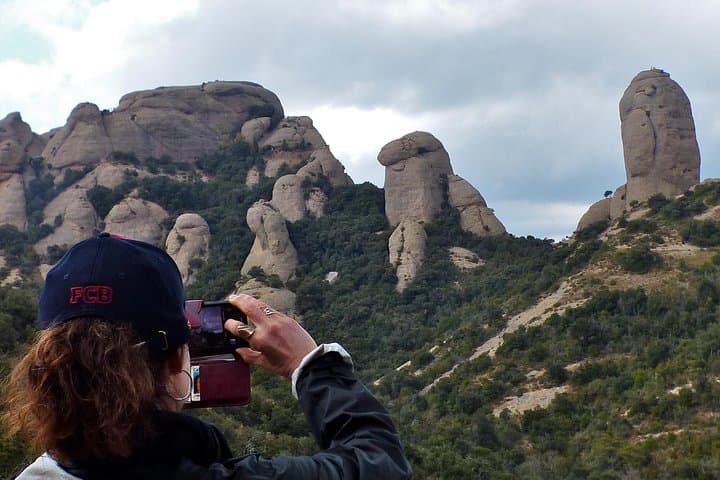
Montserrat’s jagged needles are sedimentary conglomerates lifted and rounded by millions of years of erosion; the Benedictine abbey of Santa Maria has watched pilgrims arrive since the 9th century. Cultural threads are visible at every turn — hermitages, Romanesque chapels, and the Black Madonna tucked behind monastery walls — a landscape shaped by faith and geology together.
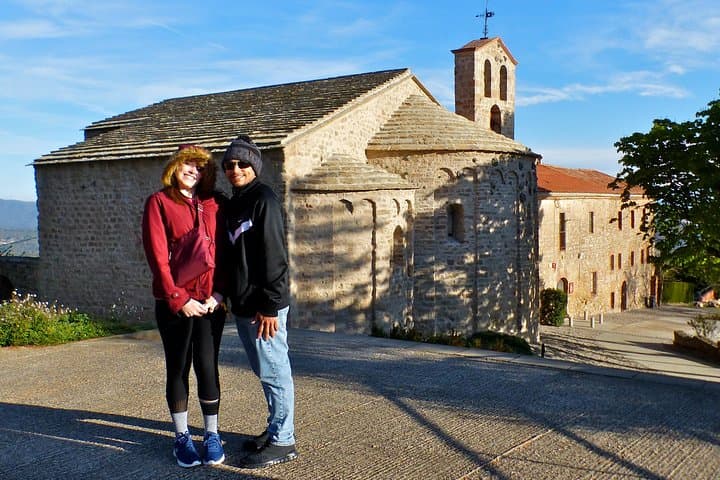
Guides typically offer three route options: gentler valley walks, ridge scrambles with short exposed sections, or steeper loop hikes that pass viewpoints and the Santa Cecilia monastery. Trails are rocky, often steep, and can be hot and exposed in summer; shade is intermittent and footing is uneven. Expect clear panoramas of the Llobregat valley on good days and a changeable microclimate that can shift from sun to mist in an hour.
Practicalities: hotel pickup from Barcelona and a 45-minute transfer are common; bring layered clothing, sturdy hiking shoes, at least 1–2 liters of water, sun protection, and snacks. If you have limited mobility or cardiovascular concerns, choose the easier route — guides will adapt pace and distance. For photographers and history-minded hikers alike, Montserrat delivers geological drama and a compact cultural payoff in a single day.
moderate.
5–6 hours.
Good general fitness; able to hike 8–12 km with uneven footing and 300–600 m cumulative elevation gain depending on route
Transfers are typically about 45 minutes each way, though exact times depend on traffic and pickup point.
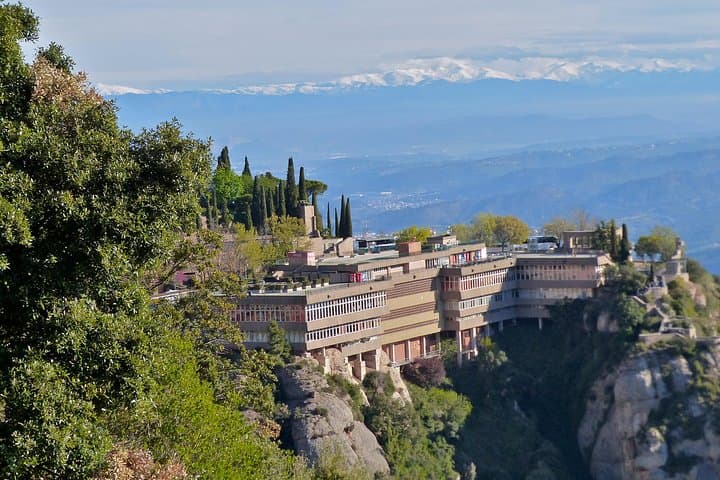
Basic facilities and food services are available at the monastery area; bring snacks for the trail, especially if taking longer routes.
Yes — guides offer three route levels and will customize pace and distance to match the group’s fitness and interests.
Children are allowed but must be accompanied by an adult; choose the gentler route for younger or less confident hikers.
Montserrat has been a religious pilgrimage site since medieval times; the abbey housing the Black Madonna has been an important cultural center in Catalonia for centuries.
Trails are fragile on the conglomerate rock—stay on marked paths, avoid trampling vegetation, and pack out litter to minimize erosion and protect nesting birds.
BarcelonaWalking operates guided outdoor trips and adventures with an emphasis on safety, stewardship, and memorable experiences.
The trail opens with the monastery’s bells drifting through the rock ribs of Montserrat, and the first switchbacks reveal cliffs that look carved by a deliberate hand. Hikers move from olive groves through pinion pines to narrow paths that cling to honeycombed conglomerate rock; the wind here seems to prod the ridgelines, urging boots forward.
The trail opens with the monastery’s bells drifting through the rock ribs of Montserrat, and the first switchbacks reveal cliffs that look carved by a deliberate hand. Hikers move from olive groves through pinion pines to narrow paths that cling to honeycombed conglomerate rock; the wind here seems to prod the ridgelines, urging boots forward.
Montserrat’s jagged needles are sedimentary conglomerates lifted and rounded by millions of years of erosion; the Benedictine abbey of Santa Maria has watched pilgrims arrive since the 9th century. Cultural threads are visible at every turn — hermitages, Romanesque chapels, and the Black Madonna tucked behind monastery walls — a landscape shaped by faith and geology together.
Guides typically offer three route options: gentler valley walks, ridge scrambles with short exposed sections, or steeper loop hikes that pass viewpoints and the Santa Cecilia monastery. Trails are rocky, often steep, and can be hot and exposed in summer; shade is intermittent and footing is uneven. Expect clear panoramas of the Llobregat valley on good days and a changeable microclimate that can shift from sun to mist in an hour.
Practicalities: hotel pickup from Barcelona and a 45-minute transfer are common; bring layered clothing, sturdy hiking shoes, at least 1–2 liters of water, sun protection, and snacks. If you have limited mobility or cardiovascular concerns, choose the easier route — guides will adapt pace and distance. For photographers and history-minded hikers alike, Montserrat delivers geological drama and a compact cultural payoff in a single day.