THE ADVENTURE COLLECTIVE® · Independent discovery and booking for outdoor travel

Combine the sacred cliffs of Montserrat with Gaudí’s inventive modernism on a private day trip from Barcelona. Visit the Benedictine abbey, Gaudí’s crypt at Colònia Güell, and Park Güell in a single, customizable day.
Combine the sacred cliffs of Montserrat with Gaudí’s inventive modernism on a private day trip from Barcelona. Visit the Benedictine abbey, Gaudí’s crypt at Colònia Güell, and Park Güell in a single, customizable day.
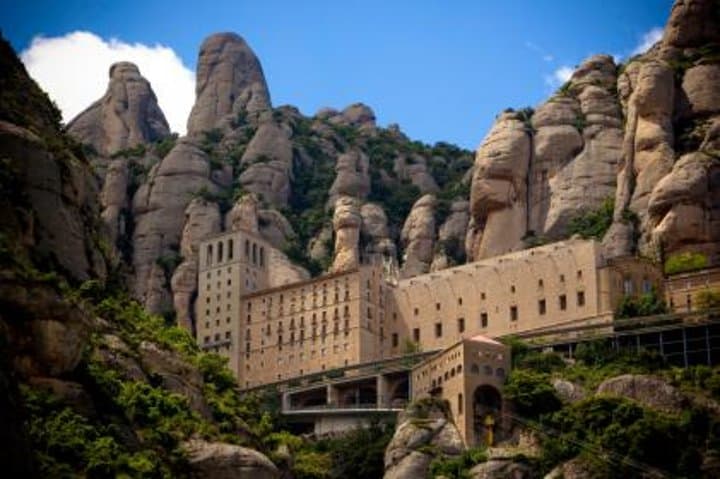
The minivan eases out of Barcelona and the city’s geometry melts into a spine of jagged limestone. Montserrat’s serrated ridges rise like carved teeth, the abbey perched halfway up, its bell calls threading the cool mountain air. Visitors step from the vehicle into wind that rearranges thoughts—cooler than the city, dryer, and sharply clear.
Verified experiences and guided adventures in the surrounding area.
Operated by Explore Catalunya · Barcelona, Catalonia
The minivan eases out of Barcelona and the city’s geometry melts into a spine of jagged limestone. Montserrat’s serrated ridges rise like carved teeth, the abbey perched halfway up, its bell calls threading the cool mountain air. Visitors step from the vehicle into wind that rearranges thoughts—cooler than the city, dryer, and sharply clear.
Montserrat’s rock is conglomerate, rounded boulders cemented through eons into cliffs that have guided pilgrims for nearly a thousand years. The Benedictine abbey houses La Moreneta, a 12th‑century Black Madonna whose quiet presence anchors Catalonia’s spiritual and cultural memory. The site’s museum juxtaposes archaeological finds with modern art, a reminder that this landscape has long attracted both devotion and creation.
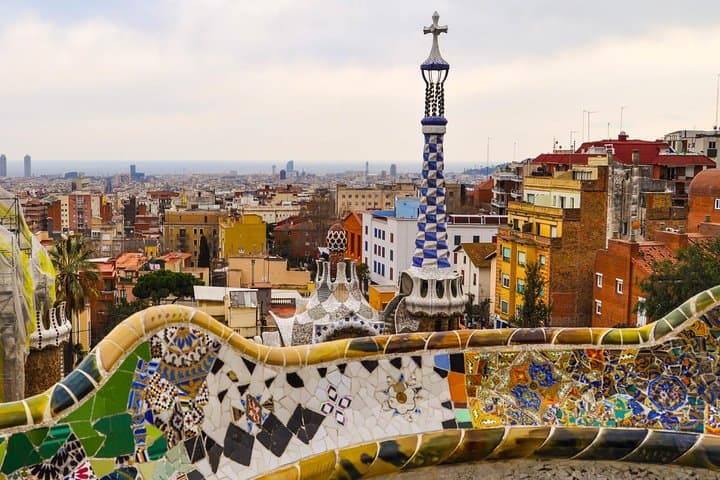
After lunch, Colònia Güell offers a different beat: an industrial village where Gaudí’s unfinished crypt experiments with form, structure and light. The day finishes at Park Güell, where ceramic benches curl like waves and the city stretches toward the sea—Gaudí’s architecture both playful and structural, rooted in geometry and close observation of nature.
Practical notes: expect 8–9 hours including transits; wear sturdy walking shoes, layer for temperature swings, and bring sun protection. Montserrat has short trails and many steps; select routes to match your energy. The rack railway and cable car run on different schedules and can affect timing; small entrance fees and choir schedules vary seasonally. With a private guide you can tailor the day to art, architecture or hiking. Keep a camera charged, a small daypack with water, and time to linger—this trip is equal parts landscape and design study.
moderate.
8–9 hours.
Suitable for travelers comfortable with multiple short walks, stairs, and standing periods; minimal hill scrambling required.
The private tour runs about 8–9 hours and typically includes Montserrat Abbey, the Museum of Montserrat, Colònia Güell (Gaudí’s crypt), and Park Güell.
The tour is physically easy overall but involves stairs and short hikes; it’s generally suitable for most ages, though not recommended for children under five.
Yes—Montserrat offers both rack railway and cable car options; schedules and availability can affect routing and timing, and small fees may apply.
Yes—this private tour can be tailored to special interests; indicate preferences when booking so the guide can prepare.
Montserrat has been a pilgrimage site since the medieval era; the abbey developed over centuries and played roles in Catalonia’s cultural life.
The Montserrat area is protected for its geological and ecological values—stay on marked trails, pack out waste, and respect restricted zones to preserve fragile habitats.
Explore Catalunya operates guided outdoor trips and adventures with an emphasis on safety, stewardship, and memorable experiences.
The minivan eases out of Barcelona and the city’s geometry melts into a spine of jagged limestone. Montserrat’s serrated ridges rise like carved teeth, the abbey perched halfway up, its bell calls threading the cool mountain air. Visitors step from the vehicle into wind that rearranges thoughts—cooler than the city, dryer, and sharply clear.
The minivan eases out of Barcelona and the city’s geometry melts into a spine of jagged limestone. Montserrat’s serrated ridges rise like carved teeth, the abbey perched halfway up, its bell calls threading the cool mountain air. Visitors step from the vehicle into wind that rearranges thoughts—cooler than the city, dryer, and sharply clear.
Montserrat’s rock is conglomerate, rounded boulders cemented through eons into cliffs that have guided pilgrims for nearly a thousand years. The Benedictine abbey houses La Moreneta, a 12th‑century Black Madonna whose quiet presence anchors Catalonia’s spiritual and cultural memory. The site’s museum juxtaposes archaeological finds with modern art, a reminder that this landscape has long attracted both devotion and creation.
After lunch, Colònia Güell offers a different beat: an industrial village where Gaudí’s unfinished crypt experiments with form, structure and light. The day finishes at Park Güell, where ceramic benches curl like waves and the city stretches toward the sea—Gaudí’s architecture both playful and structural, rooted in geometry and close observation of nature.
Practical notes: expect 8–9 hours including transits; wear sturdy walking shoes, layer for temperature swings, and bring sun protection. Montserrat has short trails and many steps; select routes to match your energy. The rack railway and cable car run on different schedules and can affect timing; small entrance fees and choir schedules vary seasonally. With a private guide you can tailor the day to art, architecture or hiking. Keep a camera charged, a small daypack with water, and time to linger—this trip is equal parts landscape and design study.