THE ADVENTURE COLLECTIVE® · Independent discovery and booking for outdoor travel

Ride a vintage cogwheel train into Montserrat's serrated peaks to visit the storied monastery, see the Black Madonna, and sample Catalan liqueurs. This half-day trip pairs geology and religious history with a brisk mountain ascent and free time for exploration.
Ride a vintage cogwheel train into Montserrat's serrated peaks to visit the storied monastery, see the Black Madonna, and sample Catalan liqueurs. This half-day trip pairs geology and religious history with a brisk mountain ascent and free time for exploration.
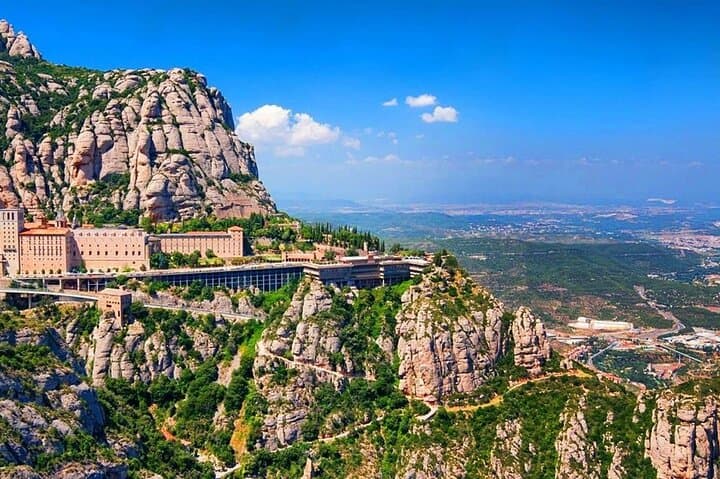
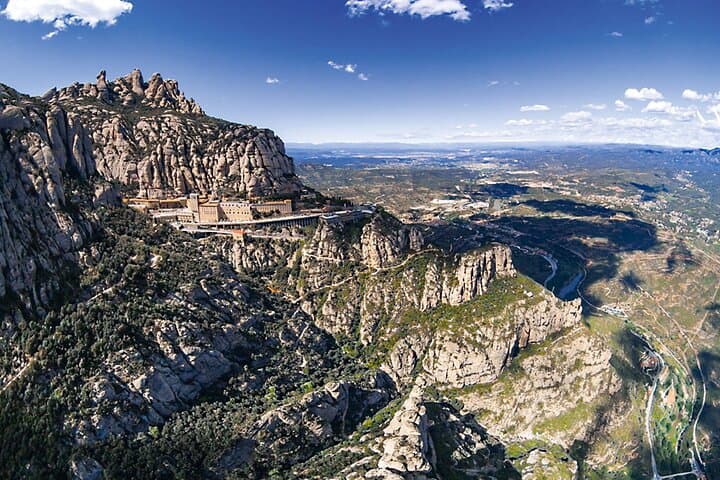
The cogwheel train sighs upward, metal teeth meeting rails as the valley slips away and the mountain shapes of Montserrat loom—sharp, weathered folds of conglomerate rock that catch light like a folded map.
Verified experiences and guided adventures in the surrounding area.
Operated by Eternal City Tours · Montserrat, Catalonia
The cogwheel train sighs upward, metal teeth meeting rails as the valley slips away and the mountain shapes of Montserrat loom—sharp, weathered folds of conglomerate rock that catch light like a folded map.
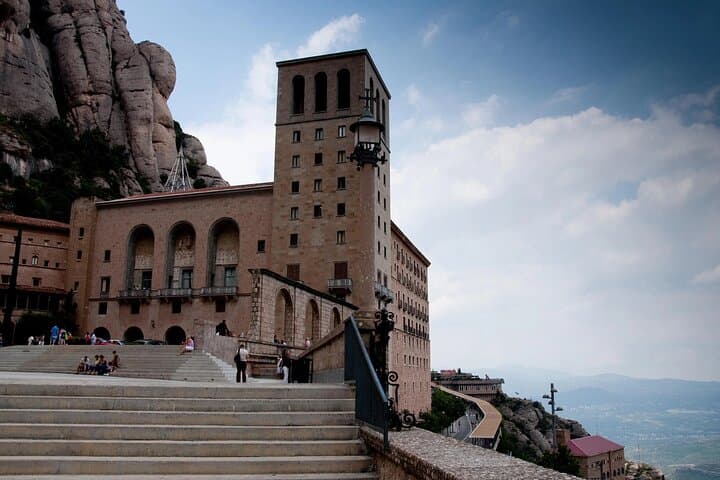
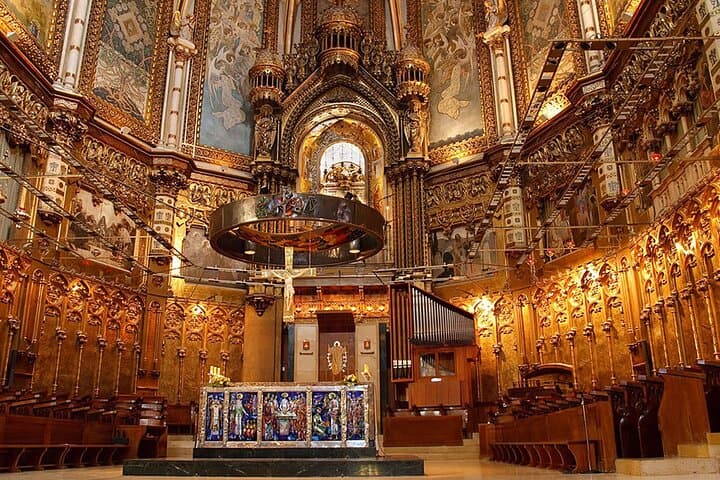
Perched at 720–1,236 meters above sea level, the Benedictine complex of Santa Maria de Montserrat sits within a rugged natural park shaped by millions of years of sediment and erosion. Visitors arrive to a mix of pilgrimage and panorama: the 12th-century Black Madonna, baroque and intimate, shares space with sweeping viewpoints and narrow trails that edge cliffs and pine-scented terraces.
Montserrat blends geology and culture. The serrated peaks are compressed sandstone and conglomerate; paths trace prehistoric ridgelines. The monastery, founded in the 11th century, grew into a cultural hub—home to the Escolania boys’ choir and a museum with works by Catalan artists—while local lore around La Moreneta feeds festivals and quiet devotion.
Expect a structured half-day rhythm: a guided walk through the basilica and museum, time at the Santa Cova cave, a tasting of local liqueurs, and a window of free time for the audiovisual exhibit and regional crafts. The ascent via rack railway or Aeri cable car is part of the experience—photogenic and steep.
Practical edge: bring sturdy shoes for uneven stone and steps, a windproof layer for exposed viewpoints, and a refillable water bottle. Arrive early to avoid crowds at the chapel and to catch clearer light for views toward the Catalan plain. The trip is accessible for most fitness levels but involves standing, steps, and short uphill walks—perfect for travelers who want culture framed by raw mountain scenery.
easy.
5–6 hours.
Suitable for most people in average health; requires short uphill walks and standing on visits
The guided excursion runs about 5–6 hours total, including transport and time at the monastery and viewpoints.
Yes; the basilica allows visitors to see La Moreneta, though queues can form—respectful silence and modest dress are expected.
The trip typically uses one ascent method included in the itinerary; options depend on the operator and chosen ticket.
Yes—physical demands are low, but the site has steps and some uneven terrain; infants should sit on laps per tour policy.
Montserrat has been a pilgrimage site since medieval times; the monastery grew around a 12th-century statue of the Virgin called La Moreneta, central to Catalan identity.
Montserrat sits within a protected natural park—stick to marked trails, avoid disturbing nesting birds, and use waste bins to reduce visitor impact.
Eternal City Tours operates guided outdoor trips and adventures with an emphasis on safety, stewardship, and memorable experiences.
The cogwheel train sighs upward, metal teeth meeting rails as the valley slips away and the mountain shapes of Montserrat loom—sharp, weathered folds of conglomerate rock that catch light like a folded map.
The cogwheel train sighs upward, metal teeth meeting rails as the valley slips away and the mountain shapes of Montserrat loom—sharp, weathered folds of conglomerate rock that catch light like a folded map.
Perched at 720–1,236 meters above sea level, the Benedictine complex of Santa Maria de Montserrat sits within a rugged natural park shaped by millions of years of sediment and erosion. Visitors arrive to a mix of pilgrimage and panorama: the 12th-century Black Madonna, baroque and intimate, shares space with sweeping viewpoints and narrow trails that edge cliffs and pine-scented terraces.
Montserrat blends geology and culture. The serrated peaks are compressed sandstone and conglomerate; paths trace prehistoric ridgelines. The monastery, founded in the 11th century, grew into a cultural hub—home to the Escolania boys’ choir and a museum with works by Catalan artists—while local lore around La Moreneta feeds festivals and quiet devotion.
Expect a structured half-day rhythm: a guided walk through the basilica and museum, time at the Santa Cova cave, a tasting of local liqueurs, and a window of free time for the audiovisual exhibit and regional crafts. The ascent via rack railway or Aeri cable car is part of the experience—photogenic and steep.
Practical edge: bring sturdy shoes for uneven stone and steps, a windproof layer for exposed viewpoints, and a refillable water bottle. Arrive early to avoid crowds at the chapel and to catch clearer light for views toward the Catalan plain. The trip is accessible for most fitness levels but involves standing, steps, and short uphill walks—perfect for travelers who want culture framed by raw mountain scenery.