THE ADVENTURE COLLECTIVE® · Independent discovery and booking for outdoor travel

Ride the historic rack railway to Montserrat, explore the abbey and its museum, and — on weekdays — hear the Escolania boys' choir in the basilica. This structured half-day tour combines geology, history and music with transport and tickets included.
Ride the historic rack railway to Montserrat, explore the abbey and its museum, and — on weekdays — hear the Escolania boys' choir in the basilica. This structured half-day tour combines geology, history and music with transport and tickets included.
You step off the Catalunya Bus Turístic beneath a wide sky and watch the rack railway hiss its way up five kilometers of steep incline, the valley shrinking behind you while the serrated silhouette of Montserrat grows larger with each turn.
Verified experiences and guided adventures in the surrounding area.
Operated by Turisme de Barcelona · Montserrat, Catalonia
You step off the Catalunya Bus Turístic beneath a wide sky and watch the rack railway hiss its way up five kilometers of steep incline, the valley shrinking behind you while the serrated silhouette of Montserrat grows larger with each turn.
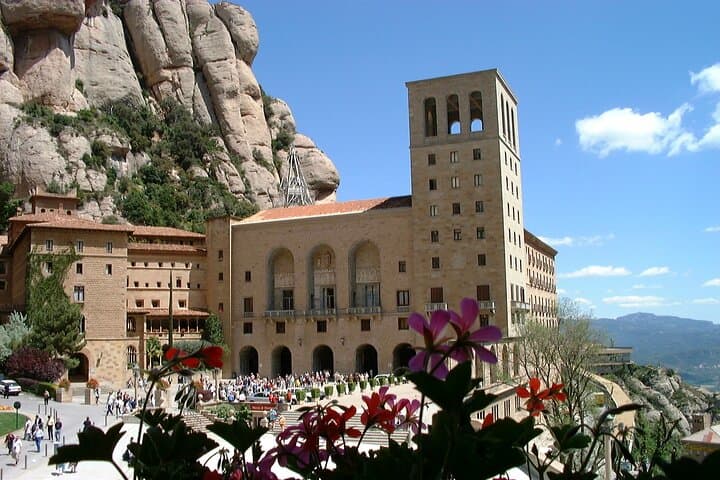
The mountain’s stone fingers are not random: over millions of years erosion sculpted the resistant sandstone and calcareous cement into towers and hollows that give Montserrat its unmistakable profile. Human stories settle into that geology — hermits in the 9th century, an abbey established by Abbot Oliba in the 11th century and the Black Madonna, La Moreneta, venerated since medieval times.
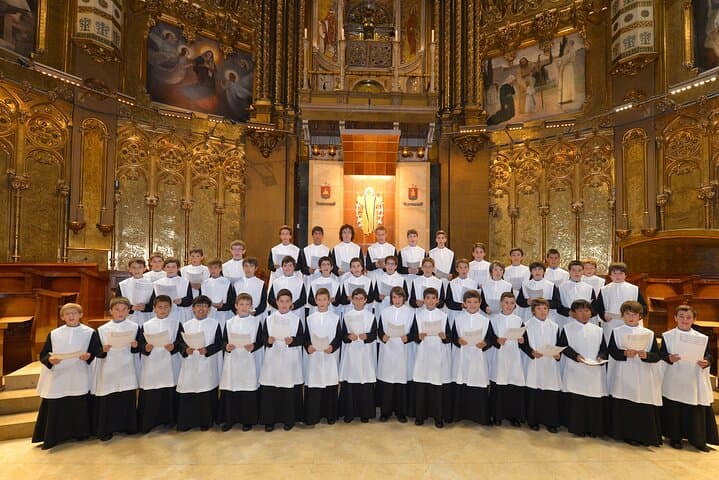
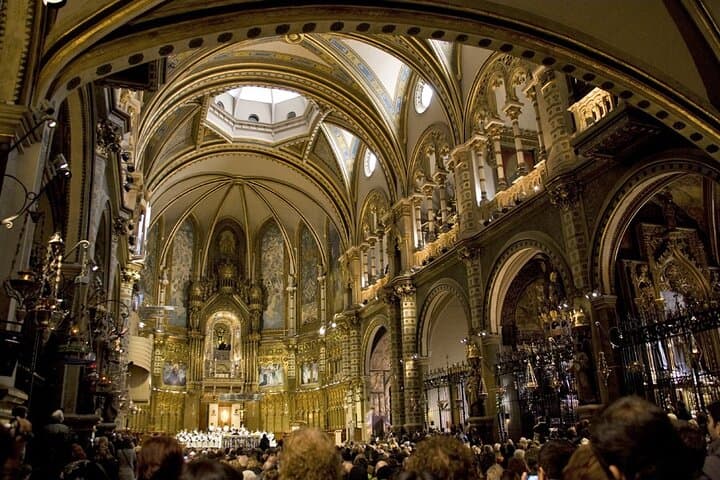
Culture here moves between liturgy and landscape. The Benedictine abbey still hosts worship and a storied boys' choir, the Escolania, one of Europe’s oldest musical institutions. On weekdays their voice fills the basilica; on weekends, visitors gain museum access instead. Beyond the buildings, narrow paths lead to chapels, the Santa Cova holy cave and viewpoints that favor quiet observation over flashy panoramas.
Practically: plan for a full half-day (about 6 hours), carry a printed or mobile ticket, and aim for weekday mornings to hear the choir and avoid late-afternoon crowds. The visitor zone is largely accessible but includes steps; wear grippy shoes for uneven, rocky trails and bring layers—wind whips across the exposed ridges. Hydrate, respect the monastic spaces (modest dress, subdued voices), and leave no trace: stick to marked trails so the fragile rock and scrub remain intact for the next traveler.
easy.
6–6.5 hours.
Suitable for most travelers; requires short stretches of standing and walking on uneven surfaces
The choir typically sings on weekdays during the abbey’s liturgical schedule; weekends usually include museum access instead—check the tour calendar before booking.
The tour is listed as wheelchair accessible for transportation and primary abbey areas, but some viewpoints and paths include steps and uneven terrain that may limit access.
Meet at Estació del Nord in Barcelona at platforms 13 or 14; buses are clearly branded Catalunya Bus Turístic and the guide will wait in front of the bus.
Yes — the Black Madonna is housed in the basilica; expect controlled access and modest photography rules depending on liturgical services.
Montserrat became a formal abbey site in the 11th century; the Black Madonna statue has been a pilgrimage focus since a legendary discovery in 880.
High visitor numbers can erode trails and disturb nesting raptors—stick to official paths, avoid loud noises near cliffs, and follow local access rules.
Turisme de Barcelona operates guided outdoor trips and adventures with an emphasis on safety, stewardship, and memorable experiences.
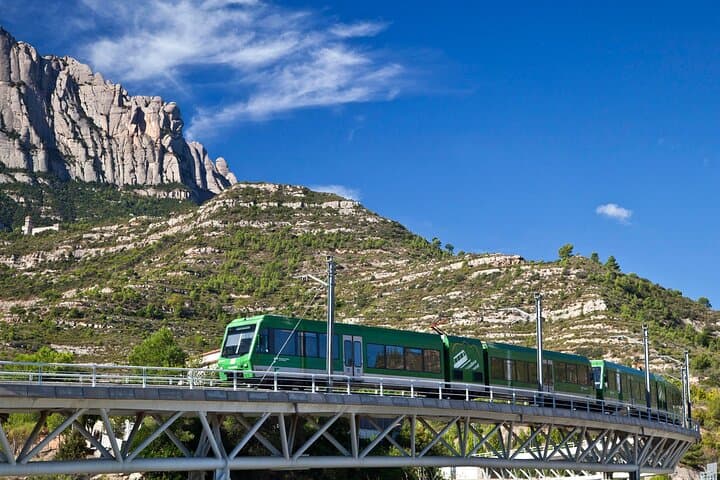
You step off the Catalunya Bus Turístic beneath a wide sky and watch the rack railway hiss its way up five kilometers of steep incline, the valley shrinking behind you while the serrated silhouette of Montserrat grows larger with each turn.
You step off the Catalunya Bus Turístic beneath a wide sky and watch the rack railway hiss its way up five kilometers of steep incline, the valley shrinking behind you while the serrated silhouette of Montserrat grows larger with each turn.
The mountain’s stone fingers are not random: over millions of years erosion sculpted the resistant sandstone and calcareous cement into towers and hollows that give Montserrat its unmistakable profile. Human stories settle into that geology — hermits in the 9th century, an abbey established by Abbot Oliba in the 11th century and the Black Madonna, La Moreneta, venerated since medieval times.
Culture here moves between liturgy and landscape. The Benedictine abbey still hosts worship and a storied boys' choir, the Escolania, one of Europe’s oldest musical institutions. On weekdays their voice fills the basilica; on weekends, visitors gain museum access instead. Beyond the buildings, narrow paths lead to chapels, the Santa Cova holy cave and viewpoints that favor quiet observation over flashy panoramas.
Practically: plan for a full half-day (about 6 hours), carry a printed or mobile ticket, and aim for weekday mornings to hear the choir and avoid late-afternoon crowds. The visitor zone is largely accessible but includes steps; wear grippy shoes for uneven, rocky trails and bring layers—wind whips across the exposed ridges. Hydrate, respect the monastic spaces (modest dress, subdued voices), and leave no trace: stick to marked trails so the fragile rock and scrub remain intact for the next traveler.