THE ADVENTURE COLLECTIVE® · Independent discovery and booking for outdoor travel

Drive up from Barcelona to a striking serrated massif and a centuries-old monastery in one efficient private visit. In five hours visitors can walk the basilica, hit a couple of viewpoints, and sense why Montserrat is a Catalan cultural landmark.
Drive up from Barcelona to a striking serrated massif and a centuries-old monastery in one efficient private visit. In five hours visitors can walk the basilica, hit a couple of viewpoints, and sense why Montserrat is a Catalan cultural landmark.
A wind-scrubbed ridge rises out of the Catalan plain, a blocky crown of grey conglomerate that catches light like a sculpted fortress. On a five-hour private visit to Montserrat the road climbs from vineyards and olive groves to a compact village, then the monastery perches against sheer faces and narrow gullies. Visitors disembark near the basilica and step into a place where limestone spires and human devotion have shaped one another for centuries.
Verified experiences and guided adventures in the surrounding area.
Operated by excellentcars.es · Montserrat, Catalonia
A wind-scrubbed ridge rises out of the Catalan plain, a blocky crown of grey conglomerate that catches light like a sculpted fortress. On a five-hour private visit to Montserrat the road climbs from vineyards and olive groves to a compact village, then the monastery perches against sheer faces and narrow gullies. Visitors disembark near the basilica and step into a place where limestone spires and human devotion have shaped one another for centuries.
Montserrat’s jagged peaks are born of ancient river deposits — rounded pebbles and sand cemented into rock then upthrust and sculpted by rain and frost. The Benedictine abbey rose here in the 11th century around the shrine of the Black Madonna and later became a center for Catalan culture and resistance. The site blends geology, religious history, and living local traditions: choir boys sing Gregorian fragments, and small chapels mark steep mule tracks.
For practical travel: the visit is mostly short walks on paved or well-graded paths with steps to viewpoints and the basilica. Expect crowds at the main plaza; quieter corners like the Santa Cova hermitage require an extra twenty-minute descent. Wear grippy shoes for damp stone, bring a refillable water bottle, and allow time for the museum or a quick café stop.
Timing matters—mornings and late afternoons deliver cooler light and fewer buses. The short private format keeps movement efficient: pickup from Barcelona, a focused three-hour visit to the monastery and observation points, then return to the coast. Montserrat rewards modest effort with tight panoramas and a clear sense of place where rock, faith, and Catalan identity meet.
moderate.
5 hours.
Suitable for most travelers who can manage short walks and stairs; minimal sustained exertion required.
Montserrat is roughly 60 km (about 1–1.5 hours by car depending on traffic) from central Barcelona; this tour includes transfer time within the five-hour window.
The basilica is free to enter, but specific museum admissions or funicular rides may not be included—check the booking details or bring modest cash or card.
The site is stroller-accessible in main areas but there are stairs and steeper paths to some viewpoints; infant seats and assistance are available per the tour description.
A full hike to Sant Jeroni or longer ridge routes requires more time; this five-hour private visit focuses on the monastery and nearby viewpoints rather than extended summits.
Montserrat grew around a medieval Benedictine abbey and the shrine of the Virgin of Montserrat; over centuries it became a cultural and religious center for Catalonia.
High visitor numbers can accelerate erosion and litter; stick to marked paths, use waste bins, and support local conservation initiatives and the monastery's preservation efforts.
excellentcars.es operates guided outdoor trips and adventures with an emphasis on safety, stewardship, and memorable experiences.
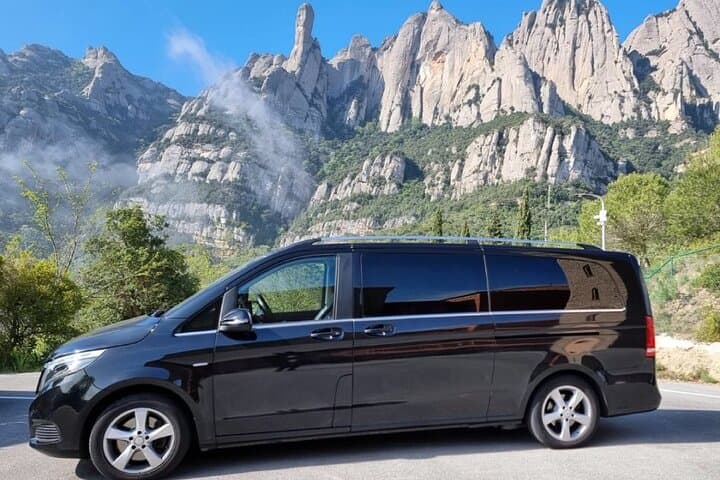
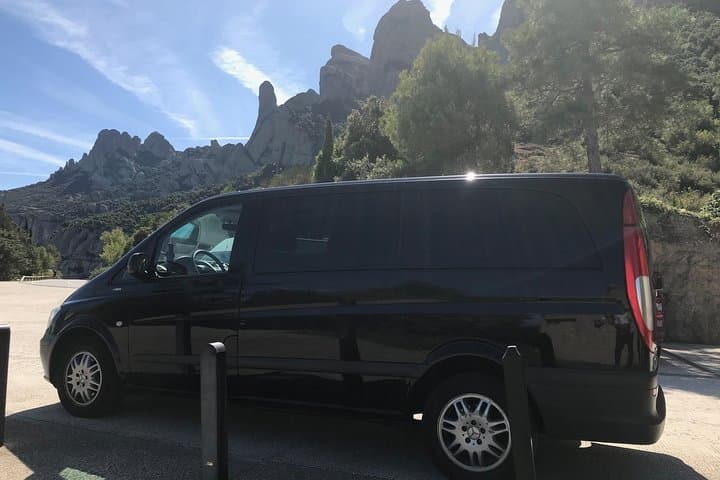
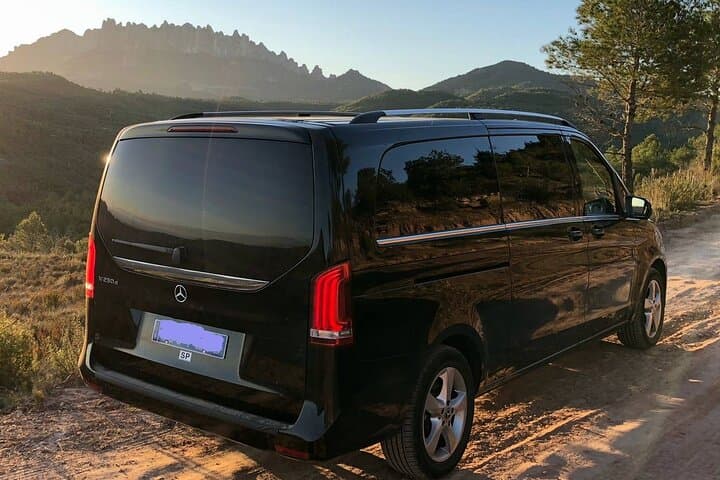
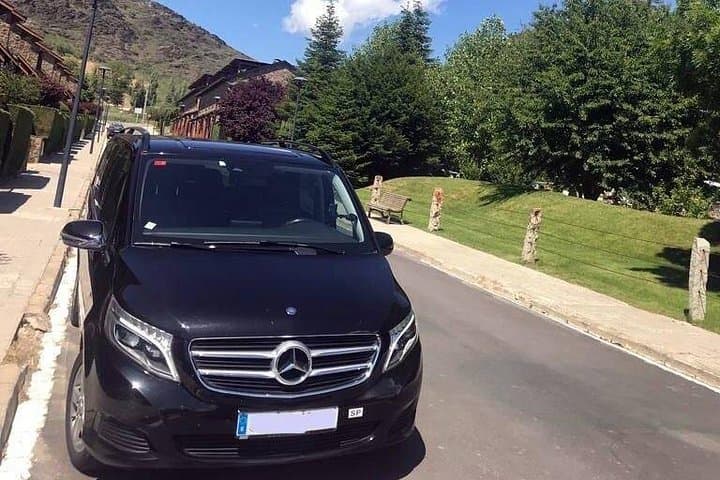
A wind-scrubbed ridge rises out of the Catalan plain, a blocky crown of grey conglomerate that catches light like a sculpted fortress. On a five-hour private visit to Montserrat the road climbs from vineyards and olive groves to a compact village, then the monastery perches against sheer faces and narrow gullies. Visitors disembark near the basilica and step into a place where limestone spires and human devotion have shaped one another for centuries.
A wind-scrubbed ridge rises out of the Catalan plain, a blocky crown of grey conglomerate that catches light like a sculpted fortress. On a five-hour private visit to Montserrat the road climbs from vineyards and olive groves to a compact village, then the monastery perches against sheer faces and narrow gullies. Visitors disembark near the basilica and step into a place where limestone spires and human devotion have shaped one another for centuries.
Montserrat’s jagged peaks are born of ancient river deposits — rounded pebbles and sand cemented into rock then upthrust and sculpted by rain and frost. The Benedictine abbey rose here in the 11th century around the shrine of the Black Madonna and later became a center for Catalan culture and resistance. The site blends geology, religious history, and living local traditions: choir boys sing Gregorian fragments, and small chapels mark steep mule tracks.
For practical travel: the visit is mostly short walks on paved or well-graded paths with steps to viewpoints and the basilica. Expect crowds at the main plaza; quieter corners like the Santa Cova hermitage require an extra twenty-minute descent. Wear grippy shoes for damp stone, bring a refillable water bottle, and allow time for the museum or a quick café stop.
Timing matters—mornings and late afternoons deliver cooler light and fewer buses. The short private format keeps movement efficient: pickup from Barcelona, a focused three-hour visit to the monastery and observation points, then return to the coast. Montserrat rewards modest effort with tight panoramas and a clear sense of place where rock, faith, and Catalan identity meet.