THE ADVENTURE COLLECTIVE® · Independent discovery and booking for outdoor travel

Board the historic rack railway and climb into Montserrat’s serrated peaks for a guided half-day to Santa Maria de Montserrat Abbey. Visit the Basilica, glimpse La Moreneta, and, if schedules align, hear the Escolania choir in one accessible cultural outing from Barcelona.
Board the historic rack railway and climb into Montserrat’s serrated peaks for a guided half-day to Santa Maria de Montserrat Abbey. Visit the Basilica, glimpse La Moreneta, and, if schedules align, hear the Escolania choir in one accessible cultural outing from Barcelona.
A cool wind carries mineral dust and pine resin as the rack railway snakes up from the plain, each clack of the wheels pushing you farther from Barcelona’s grid and closer to Montserrat’s jagged skyline. When the train eases into the mountain station, grey conglomerate towers rise like weathered teeth, and the abbey sits wedged between them — stone and devotion carved into the peak.
Verified experiences and guided adventures in the surrounding area.
Operated by Mt Classic Tour Ltd · Monistrol de Montserrat, Catalonia
A cool wind carries mineral dust and pine resin as the rack railway snakes up from the plain, each clack of the wheels pushing you farther from Barcelona’s grid and closer to Montserrat’s jagged skyline. When the train eases into the mountain station, grey conglomerate towers rise like weathered teeth, and the abbey sits wedged between them — stone and devotion carved into the peak.
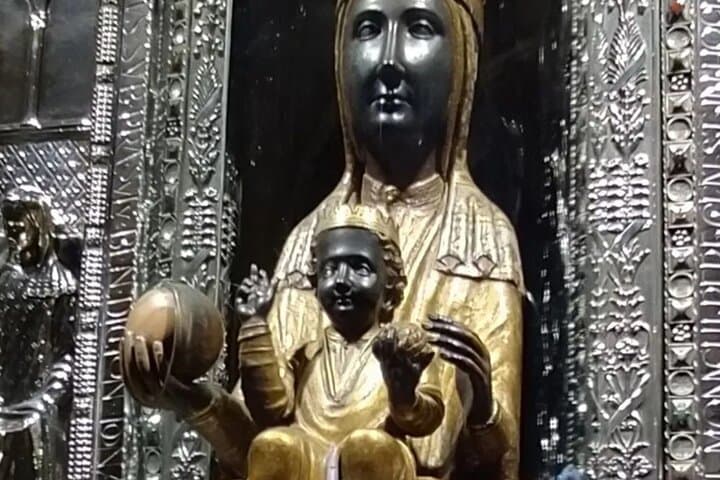
Montserrat’s cliffs are part of a Miocene-era conglomerate formation, eroded into serrated ridges that have guided pilgrims here since medieval times. The Benedictine monastery of Santa Maria de Montserrat preserves the Black Madonna, La Moreneta, a 12th-century icon and Catalonia’s patron; the site also houses a small but rich museum of religious art and an audiovisual room that outlines the mountain’s cultural significance. The Escolania boys’ choir, one of Europe’s oldest, still echoes through the basilica on selected mornings, adding a fragile human voice to the mountain’s raw geology.
On a half-day guided visit expect a paced exploration: a rack railway ride, a guided basilica walk, time before the Madonna’s chapel, and options to visit the museum or audiovisual exhibit. Wear sturdy walking shoes — stone steps are uneven — and bring water and a light layer; mountain weather shifts quickly. If you want to hear the choir, check schedules in advance; if not, allow time for the viewpoint trails and the Santa Cova hermitage below.
Practical tip: meeting in Barcelona’s Estació del Nord and returning the same day keeps logistics simple. The tour is accessible to most fitness levels but involves walking on uneven ground and queuing at popular times.
easy.
6 hours.
Suitable for most fitness levels; requires standing, walking on uneven surfaces and climbing short staircases.
The full experience is scheduled for about six hours round-trip, including rack railway transit, guided basilica time, and optional museum visits.
Yes — the tour includes access to the basilica area where La Moreneta is housed; expect queuing during peak times.
Parts of the abbey complex have limited accessibility due to historic staircases; contact the operator for specific accommodations and accessible routes.
If the choir is on break, the visit includes museum access and the Montserrat audiovisual room to cover the monastery’s cultural highlights.
Montserrat has been a pilgrimage site since at least the 9th century and the Benedictine community became the custodians of La Moreneta in the medieval period.
The mountain’s unique conglomerate formations and fragile vegetation are vulnerable to erosion; stick to marked paths, pack out trash, and follow local guidelines to protect the site.
Mt Classic Tour Ltd operates guided outdoor trips and adventures with an emphasis on safety, stewardship, and memorable experiences.
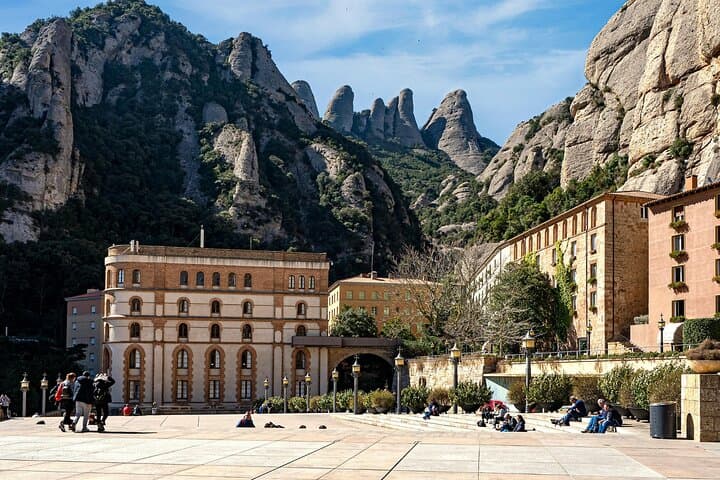
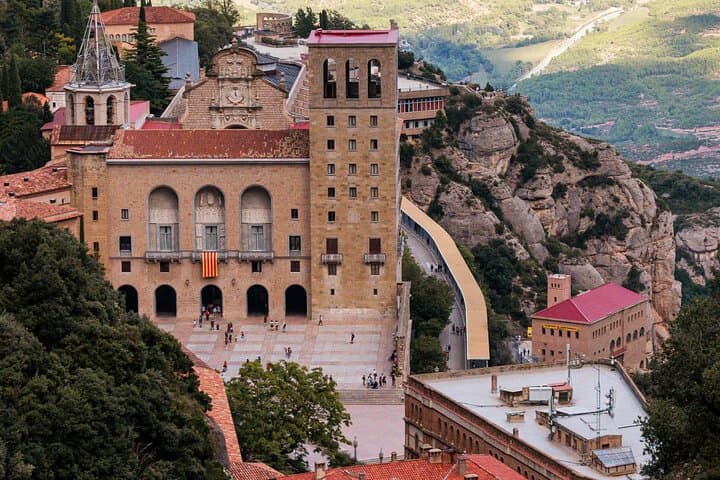
A cool wind carries mineral dust and pine resin as the rack railway snakes up from the plain, each clack of the wheels pushing you farther from Barcelona’s grid and closer to Montserrat’s jagged skyline. When the train eases into the mountain station, grey conglomerate towers rise like weathered teeth, and the abbey sits wedged between them — stone and devotion carved into the peak.
A cool wind carries mineral dust and pine resin as the rack railway snakes up from the plain, each clack of the wheels pushing you farther from Barcelona’s grid and closer to Montserrat’s jagged skyline. When the train eases into the mountain station, grey conglomerate towers rise like weathered teeth, and the abbey sits wedged between them — stone and devotion carved into the peak.
Montserrat’s cliffs are part of a Miocene-era conglomerate formation, eroded into serrated ridges that have guided pilgrims here since medieval times. The Benedictine monastery of Santa Maria de Montserrat preserves the Black Madonna, La Moreneta, a 12th-century icon and Catalonia’s patron; the site also houses a small but rich museum of religious art and an audiovisual room that outlines the mountain’s cultural significance. The Escolania boys’ choir, one of Europe’s oldest, still echoes through the basilica on selected mornings, adding a fragile human voice to the mountain’s raw geology.
On a half-day guided visit expect a paced exploration: a rack railway ride, a guided basilica walk, time before the Madonna’s chapel, and options to visit the museum or audiovisual exhibit. Wear sturdy walking shoes — stone steps are uneven — and bring water and a light layer; mountain weather shifts quickly. If you want to hear the choir, check schedules in advance; if not, allow time for the viewpoint trails and the Santa Cova hermitage below.
Practical tip: meeting in Barcelona’s Estació del Nord and returning the same day keeps logistics simple. The tour is accessible to most fitness levels but involves walking on uneven ground and queuing at popular times.