THE ADVENTURE COLLECTIVE® · Independent discovery and booking for outdoor travel

Follow a GPS-powered trail of puzzles through Montreal’s Old Port to uncover maritime lore, architectural oddities and hidden historical clues. This 90-minute self-guided quest blends storytelling with waterfront wandering—perfect for curious travelers and families.
Follow a GPS-powered trail of puzzles through Montreal’s Old Port to uncover maritime lore, architectural oddities and hidden historical clues. This 90-minute self-guided quest blends storytelling with waterfront wandering—perfect for curious travelers and families.
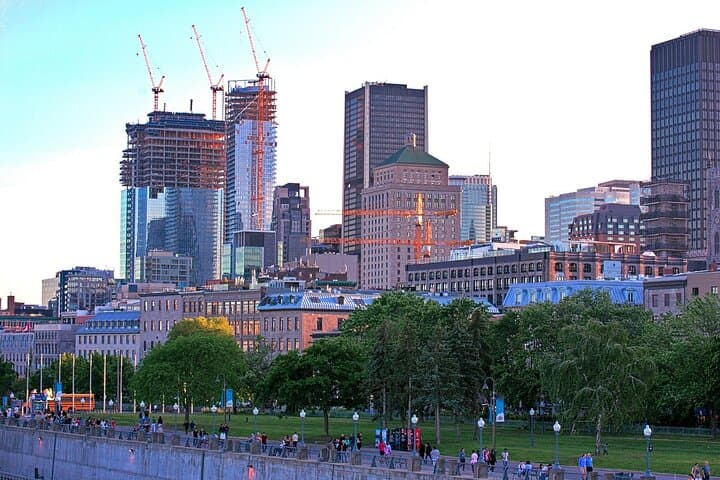
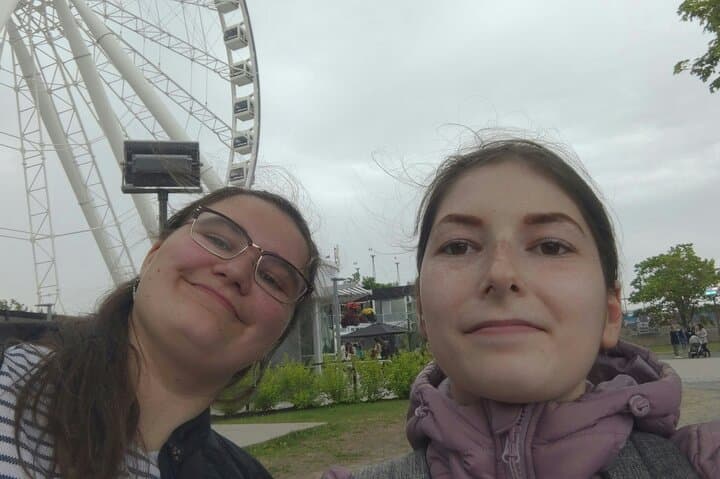
You step off the Metro and the St. Lawrence River meets the city with a low, constant roar, daring you to follow its edge. Cobbled streets open into wide piers, industrial hangars and bright ferris-wheel gondolas; the Old Port feels like a living archive where maritime gusts push history into view.
Verified experiences and guided adventures in the surrounding area.
Operated by Questo · Montreal, Quebec
You step off the Metro and the St. Lawrence River meets the city with a low, constant roar, daring you to follow its edge. Cobbled streets open into wide piers, industrial hangars and bright ferris-wheel gondolas; the Old Port feels like a living archive where maritime gusts push history into view.
This 90-minute self-guided quest threads 10–15 puzzles through landmarks from Pointe-à-Callière’s archaeological displays to Habitat 67 and Jacques-Cartier Pier. The route traces Montreal’s growth from St. Lawrence Iroquois canoes and 17th-century trading posts to the 19th-century port that drove industry and immigration. Geology here is simple but meaningful—the river-carved corridor and glacial deposits created the island that would become Montreal, and the waterfront’s flat grades mean an easy walk with many vantage points.
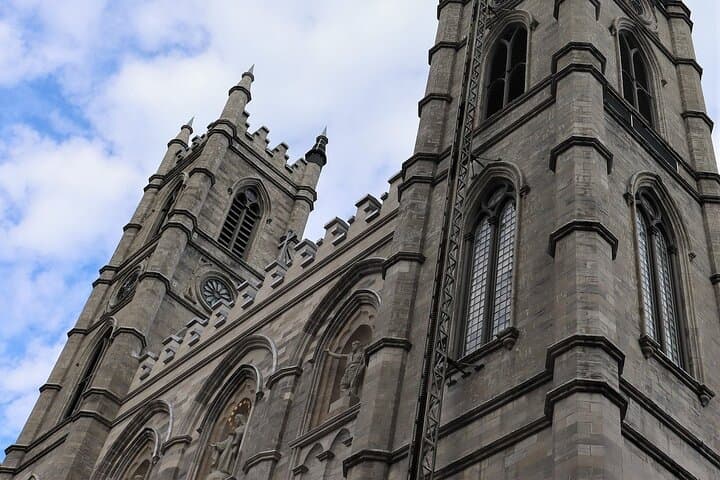
Culturally the area switches tone every block: French colonial facades, modern design experiments, and working maritime relics like preserved tugs and warehouses. The game leans on local lore—cemetery legends, shipbuilding stories—and encourages close observation of plaques, canalside machinery and architectural details most visitors pass by.
Practical guide: expect about 1–2 hours of walking over mostly paved and cobbled surfaces with minimal elevation gain; wear comfortable shoes, keep your phone charged for the GPS-enabled clues, and plan for variable weather along an exposed waterfront. Start early to avoid crowds, use public transit to Old Port, and pause at the piers to let the river’s current and the city’s stories set the pace.
easy.
1–2 hours.
Suitable for most fitness levels; requires only light walking and occasional standing
One mobile access code is issued per booking—confirm the booking details for group size and bring the phone used to claim the code.
Most of the Old Port route is flat and stroller-friendly, but some cobbled areas and piers may be uneven—check specific segments if full accessibility is required.
The experience uses on-screen text and clues; confirm available languages at purchase—Montreal tours commonly offer English and French content.
Yes—the mobile map supports pausing and resuming so you can stop for food, museums or an extended waterfront rest.
The Old Port evolved from a 17th-century trading and shipbuilding hub into Montreal’s industrial waterfront; landmarks like Habitat 67 and preserved tugs reflect waves of urban reinvention.
Waterfront restoration projects prioritize river habitat and public access—stay on designated paths, dispose of waste responsibly, and heed signage protecting nesting birds.
Questo operates guided outdoor trips and adventures with an emphasis on safety, stewardship, and memorable experiences.

You step off the Metro and the St. Lawrence River meets the city with a low, constant roar, daring you to follow its edge. Cobbled streets open into wide piers, industrial hangars and bright ferris-wheel gondolas; the Old Port feels like a living archive where maritime gusts push history into view.
You step off the Metro and the St. Lawrence River meets the city with a low, constant roar, daring you to follow its edge. Cobbled streets open into wide piers, industrial hangars and bright ferris-wheel gondolas; the Old Port feels like a living archive where maritime gusts push history into view.
This 90-minute self-guided quest threads 10–15 puzzles through landmarks from Pointe-à-Callière’s archaeological displays to Habitat 67 and Jacques-Cartier Pier. The route traces Montreal’s growth from St. Lawrence Iroquois canoes and 17th-century trading posts to the 19th-century port that drove industry and immigration. Geology here is simple but meaningful—the river-carved corridor and glacial deposits created the island that would become Montreal, and the waterfront’s flat grades mean an easy walk with many vantage points.
Culturally the area switches tone every block: French colonial facades, modern design experiments, and working maritime relics like preserved tugs and warehouses. The game leans on local lore—cemetery legends, shipbuilding stories—and encourages close observation of plaques, canalside machinery and architectural details most visitors pass by.
Practical guide: expect about 1–2 hours of walking over mostly paved and cobbled surfaces with minimal elevation gain; wear comfortable shoes, keep your phone charged for the GPS-enabled clues, and plan for variable weather along an exposed waterfront. Start early to avoid crowds, use public transit to Old Port, and pause at the piers to let the river’s current and the city’s stories set the pace.