THE ADVENTURE COLLECTIVE® · Independent discovery and booking for outdoor travel

Ride an electric bike from Montpellier along the Lez river to Villeneuve-lès-Maguelonne and Palavas, skirting the Étang de l’Arnel. This accessible 3.5-hour coastal tour mixes protected cycle paths, village visits and seaside panoramas with local history from a knowledgeable guide.
Ride an electric bike from Montpellier along the Lez river to Villeneuve-lès-Maguelonne and Palavas, skirting the Étang de l’Arnel. This accessible 3.5-hour coastal tour mixes protected cycle paths, village visits and seaside panoramas with local history from a knowledgeable guide.
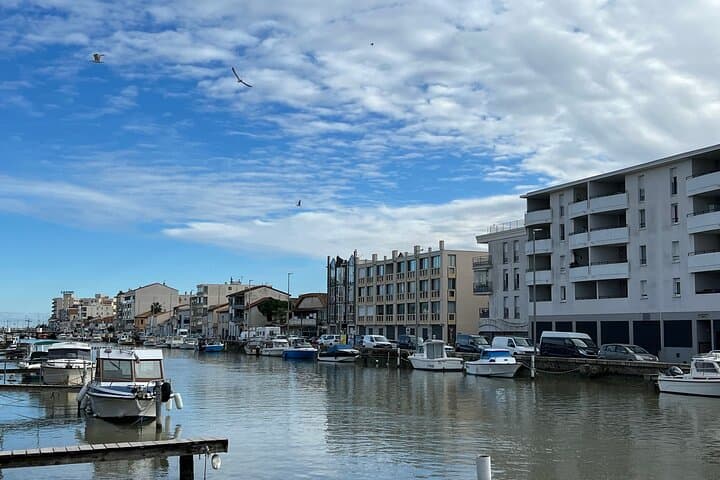
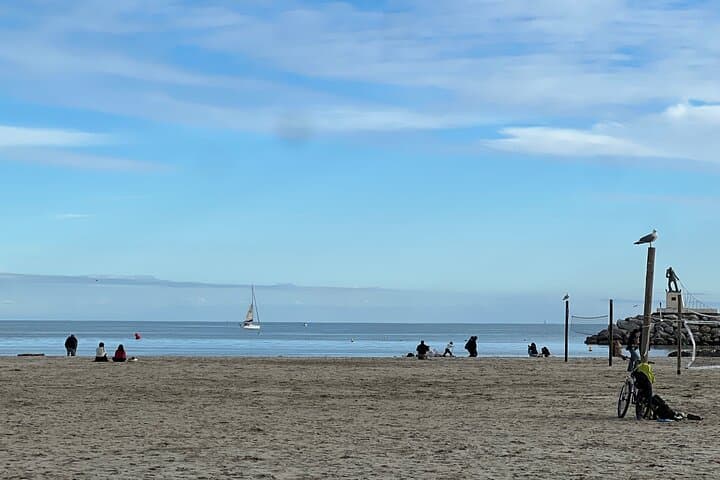
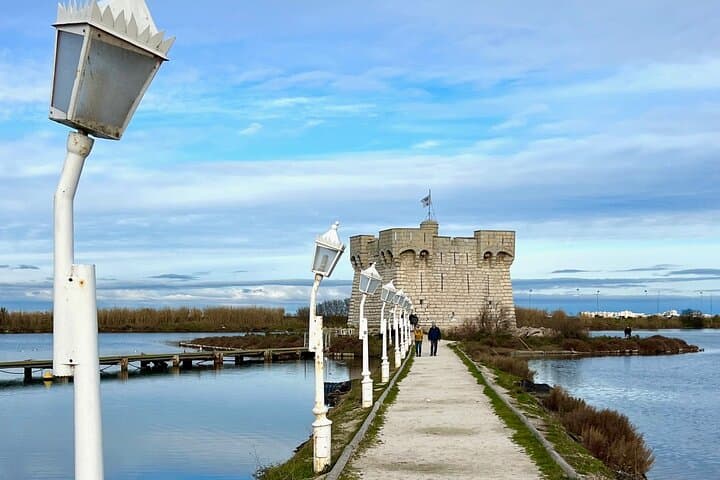
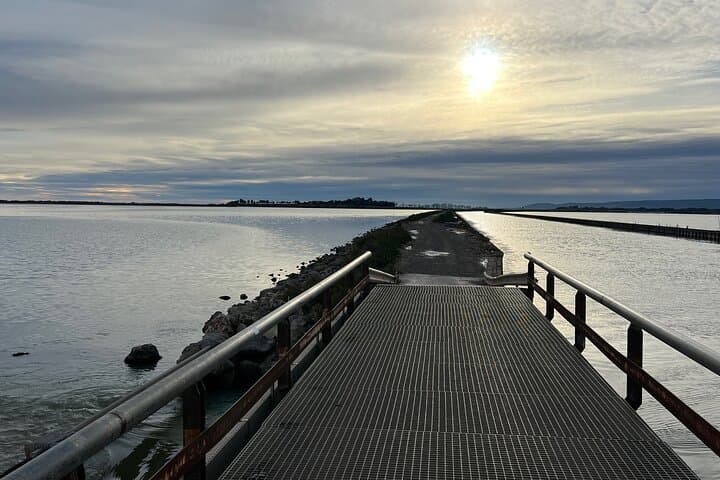
You begin on a warm stone street in Montpellier, push off an electric bike and follow the city’s breath toward salt: the Lez River pulls you east, reed beds brush the wheels and the lagoon dares you to look farther. The ride slides from the quieter country lanes of Lattes onto low, protected cycle paths along the Étang de l’Arnel, past Villeneuve-lès-Maguelonne’s islet cathedral, then opens to the surf and piers of Palavas.
Verified experiences and guided adventures in the surrounding area.
Operated by Montpel' A Velo · Montpellier, Occitanie
You begin on a warm stone street in Montpellier, push off an electric bike and follow the city’s breath toward salt: the Lez River pulls you east, reed beds brush the wheels and the lagoon dares you to look farther. The ride slides from the quieter country lanes of Lattes onto low, protected cycle paths along the Étang de l’Arnel, past Villeneuve-lès-Maguelonne’s islet cathedral, then opens to the surf and piers of Palavas.
This coastline marks the interface of Languedoc’s marshland and Mediterranean sea. Geologically it’s recent—sediment-filled lagoons and barrier beaches formed over millennia—while culturally the route traces Roman roads, medieval salt harvesting and the fishing villages that fed Montpellier. Your guide fills pauses with local history: Maguelone Cathedral’s island role, Port Ariane’s modern marina, and the Halles de Lez where residents still meet for an apéritif.
Expect mostly flat terrain, protected cycle lanes and short stretches on quiet country roads; elevation gain is negligible, and the whole outing typically covers ~18–25 km in about 3.5 hours. Practical notes: wear closed shoes, bring sun protection and a refillable water bottle, and time rides for morning or late afternoon in summer to avoid heat. Bikes are electric and provided; the guide handles route-finding and cultural commentary, so you can focus on the light, the lagoon calls and the small villages that appear as you pass.
easy.
3.5 hours.
Suitable for most fitness levels; electric assist reduces effort but expect 18–25 km of pedaling.
The tour lasts about 3.5 hours and covers roughly 18–25 km on mostly flat, mixed cycle paths and quiet roads; electric assist makes it easy for most riders.
Yes — comfortable electric bicycles and helmets are provided as part of the tour.
Yes for older children and beginners comfortable on a bike; communicative guides and electric assist reduce strain. Check age and height rules when booking.
Tours may be canceled for heavy rain or unsafe coastal winds; the operator offers full refunds if canceled at least 24 hours before departure.
The route follows coastal lagoon systems long used for salt production and fishing; Villeneuve-lès-Maguelonne’s cathedral sits on an island with medieval maritime history.
The lagoons are sensitive habitats—stay on marked paths, avoid disturbing nesting birds, and use refillable bottles to reduce plastic waste.
Montpel' A Velo operates guided outdoor trips and adventures with an emphasis on safety, stewardship, and memorable experiences.
You begin on a warm stone street in Montpellier, push off an electric bike and follow the city’s breath toward salt: the Lez River pulls you east, reed beds brush the wheels and the lagoon dares you to look farther. The ride slides from the quieter country lanes of Lattes onto low, protected cycle paths along the Étang de l’Arnel, past Villeneuve-lès-Maguelonne’s islet cathedral, then opens to the surf and piers of Palavas.
You begin on a warm stone street in Montpellier, push off an electric bike and follow the city’s breath toward salt: the Lez River pulls you east, reed beds brush the wheels and the lagoon dares you to look farther. The ride slides from the quieter country lanes of Lattes onto low, protected cycle paths along the Étang de l’Arnel, past Villeneuve-lès-Maguelonne’s islet cathedral, then opens to the surf and piers of Palavas.
This coastline marks the interface of Languedoc’s marshland and Mediterranean sea. Geologically it’s recent—sediment-filled lagoons and barrier beaches formed over millennia—while culturally the route traces Roman roads, medieval salt harvesting and the fishing villages that fed Montpellier. Your guide fills pauses with local history: Maguelone Cathedral’s island role, Port Ariane’s modern marina, and the Halles de Lez where residents still meet for an apéritif.
Expect mostly flat terrain, protected cycle lanes and short stretches on quiet country roads; elevation gain is negligible, and the whole outing typically covers ~18–25 km in about 3.5 hours. Practical notes: wear closed shoes, bring sun protection and a refillable water bottle, and time rides for morning or late afternoon in summer to avoid heat. Bikes are electric and provided; the guide handles route-finding and cultural commentary, so you can focus on the light, the lagoon calls and the small villages that appear as you pass.